Top Textile Fashion Tips for Trendy Looks
Bad outfits rarely fail because of the cut alone. They fail because the fabric tells the truth before the design gets a chance. That is why textile fashion tips matter more than most people think. You can wear a simple shirt, plain trousers, and ordinary flats, yet still look polished if the materials feel right together.
I learned that the hard way after buying pieces that looked great on hangers and strangely tired on the body by lunchtime. Cheap shine, clingy knits, stiff blends, scratchy linings—fabric mistakes ruin confidence fast. The fix is not owning more clothes. It is learning what each textile says when you wear it.
Right now, fabric choices matter even more because the fashion industry keeps facing pressure over raw materials, sourcing, and waste, while fiber production keeps climbing globally. Textile Exchange reported global fiber production hit 124 million tonnes in 2023, which explains why smarter material choices are not just style talk anymore.
Once you understand texture, drape, weight, and finish, getting dressed becomes less random and far more satisfying.
Why Fabric Choice Decides Whether an Outfit Wins or Fails
Great style starts before color, before accessories, before trends. It starts with the hand feel of the cloth. When a fabric sits badly, wrinkles too fast, or pulls in odd places, the whole outfit looks slightly off no matter how expensive it was.
Cotton poplin gives you crisp structure. Linen gives you ease, though it wrinkles with zero shame. Viscose moves beautifully but can lose points if the quality is poor. Wool holds shape like it means business. These differences are not tiny details. They are the reason one outfit looks sharp at 9 a.m. and defeated by noon.
I always tell people to stop shopping with their eyes alone. Touch the piece. Lift it. Watch how it falls. A blazer with body can make jeans look intentional. A limp blazer makes everything look borrowed from a sad office costume rail.
This is where modern women fashion often gets misunderstood. People chase the silhouette and ignore the cloth, yet the cloth is what gives the silhouette its life. That is backward.
If you want a simple rule, choose fabrics that match the job of the garment. Shirts need clarity. Dresses need movement or structure. Trousers need enough weight to skim, not cling. Fabric should do the heavy lifting, because you already have enough to handle.
How Texture Turns a Basic Look Into Something Memorable
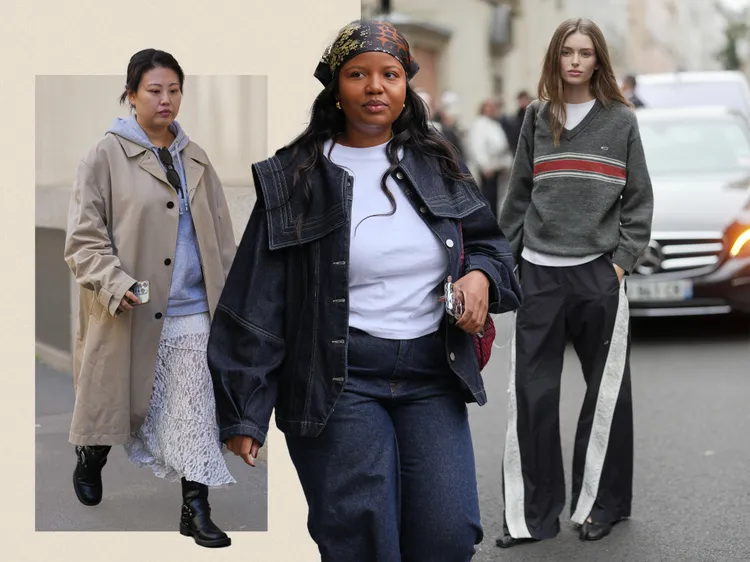
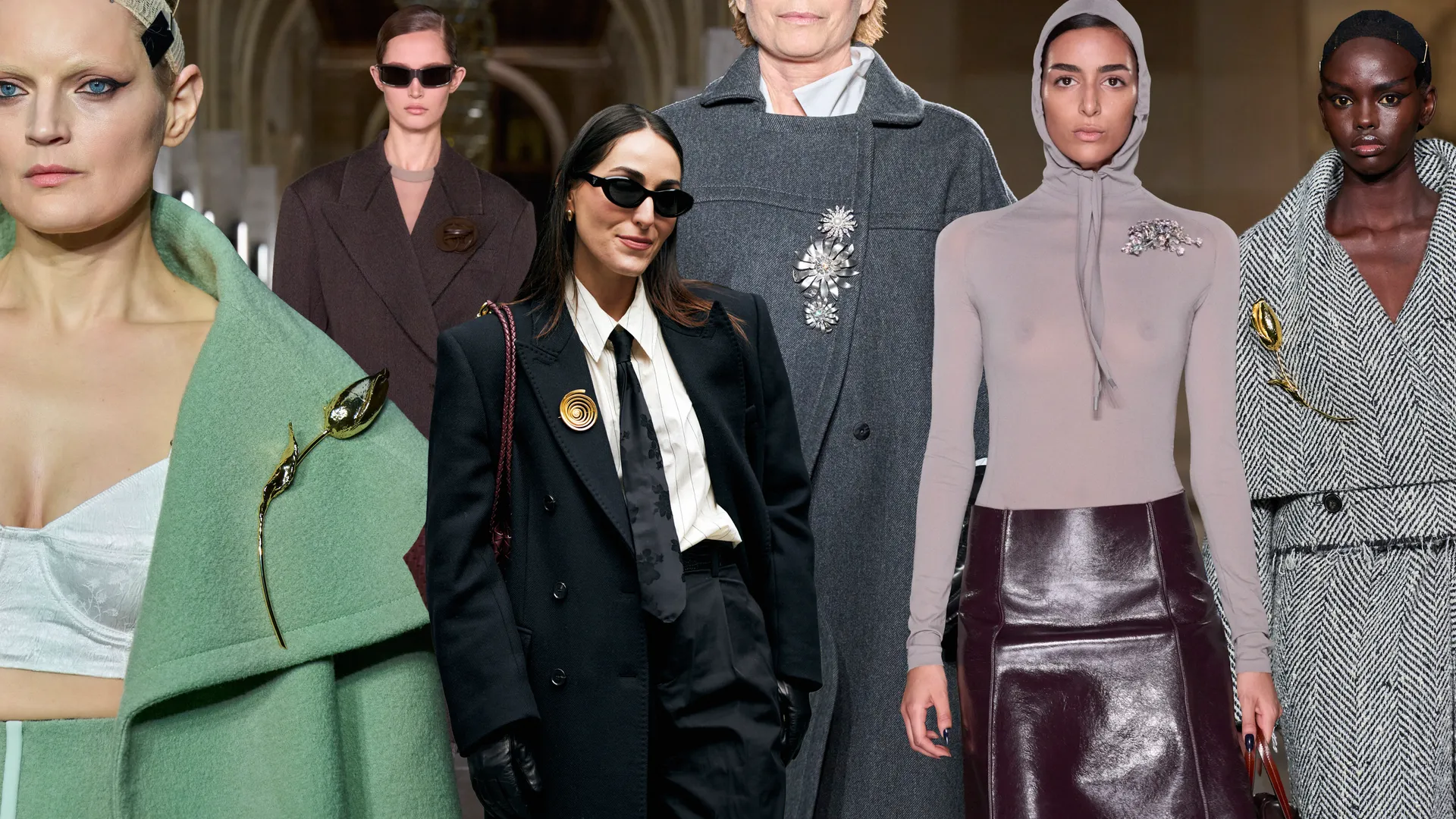
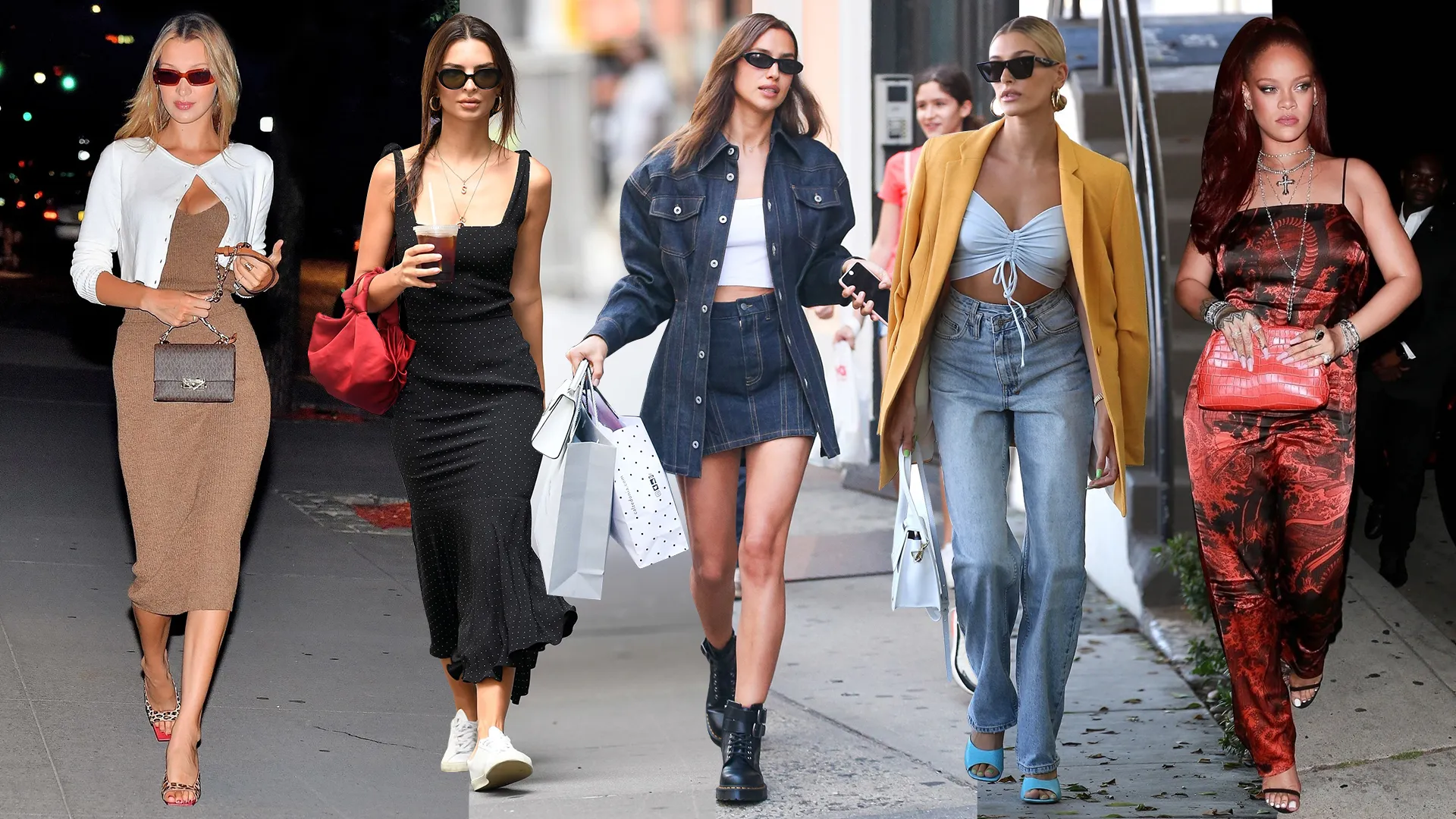
Texture is the trick stylish people use without announcing it. They are not always wearing louder clothes. They are wearing smarter surfaces. A ribbed knit, slub cotton, brushed twill, soft denim, or matte satin adds depth even when the color palette stays calm.
Flat outfits usually come from flat materials. A beige top with beige trousers can look rich if one piece has grain and the other has a smoother finish. The same look can fall dead if both pieces share the exact same visual weight. That is the difference between “quiet luxury” and “quiet laundry.”
One winter, I paired a chunky charcoal knit with fluid wide-leg trousers and plain boots. No bold jewelry. No dramatic coat. People noticed it anyway. Texture did the talking. It often does.
Contrast matters more than quantity. A bouclé jacket with sleek trousers feels alive. A crisp cotton shirt under a soft cardigan feels layered without fuss. Even sporty outfits improve when you mix a matte fabric with one that catches a little light.
You do not need a closet full of statement pieces. You need tension. Good texture creates that tension in a way prints often cannot.
For readers who want a better grip on fiber and material differences, Textile Exchange’s materials guide is a solid place to explore the basics without getting lost in fluff.
The Smart Way to Dress for Season, Climate, and Daily Life
A lot of style advice ignores weather, movement, and sweat, which is funny because your body never does. Fabric has to work with your real day, not your fantasy day. If you live in heat, heavy synthetics can turn a decent outfit into a portable sauna.
Breathable fabrics earn their keep. Cotton, linen, lighter chambray, and airy blends usually behave better in warm weather. Cooler months call for wool, cashmere blends, dense knits, corduroy, and heavier cottons that hold warmth and shape. You feel the difference within minutes.
The mistake I see often is dressing by season label instead of actual conditions. “Autumn fashion” sounds lovely until you are sweating in a polyester blouse under noon sun. Style should respect your climate first and your Pinterest board second.
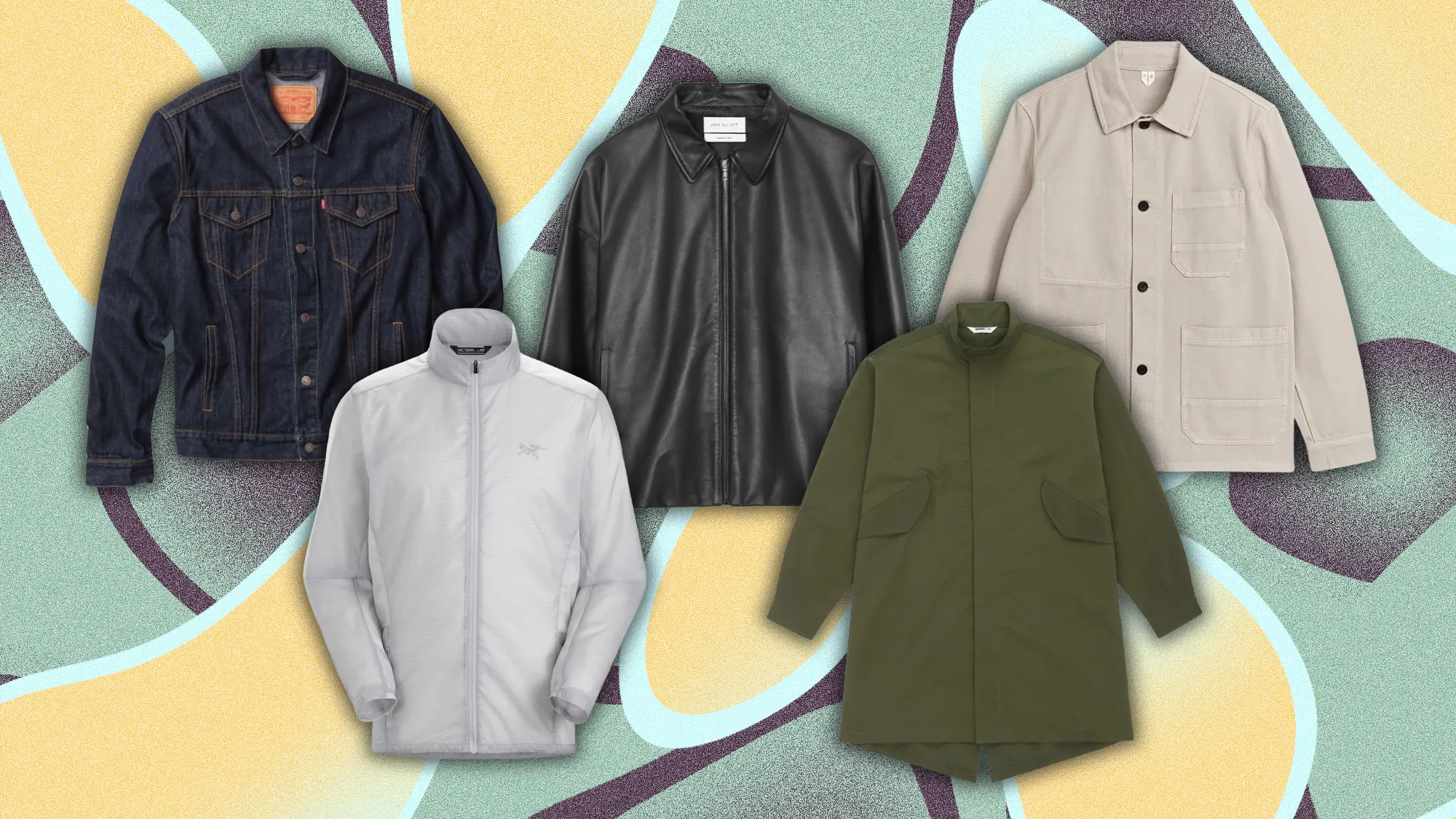
Daily routine matters too. Commuting, desk work, school runs, long lunches, and evening plans all ask different things from your clothes. A crepe dress can glide through meetings. A soft jersey set might carry you better on a travel day. A denim overshirt can rescue half your wardrobe on chaotic mornings.
That practicality is not boring. It is freedom. When fabric matches your life, you stop tugging, adjusting, and regretting. You just wear the clothes and get on with it, which is honestly the chicest outcome of all.
Color, Print, and Weave Need to Work as a Team
People love blaming color when an outfit feels wrong. Usually, color is innocent. The real fight happens between the print, the weave, and the finish. A bright shade can look elegant in matte linen and loud in shiny polyester. Same color. Totally different mood.
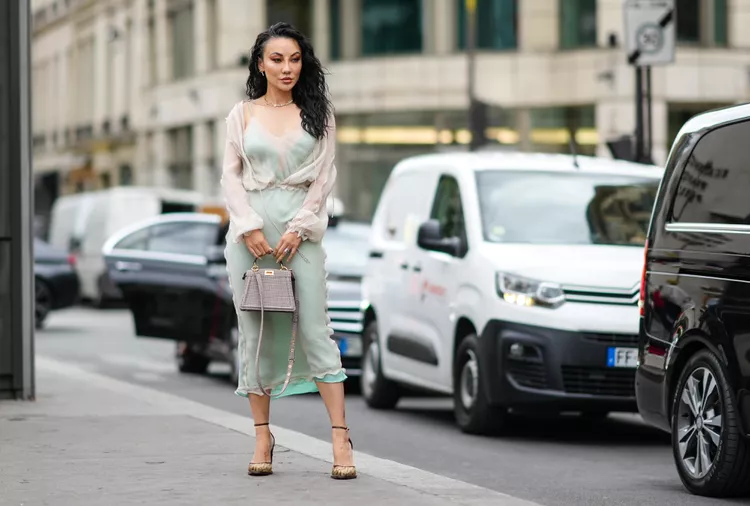
Weave changes personality. A herringbone wool reads grounded and classic. A loose gauze feels easy and relaxed. Satin reflects light and raises the drama. Denim, depending on wash and thickness, can swing from playful to sharp. Fabric speaks before pattern gets its turn.
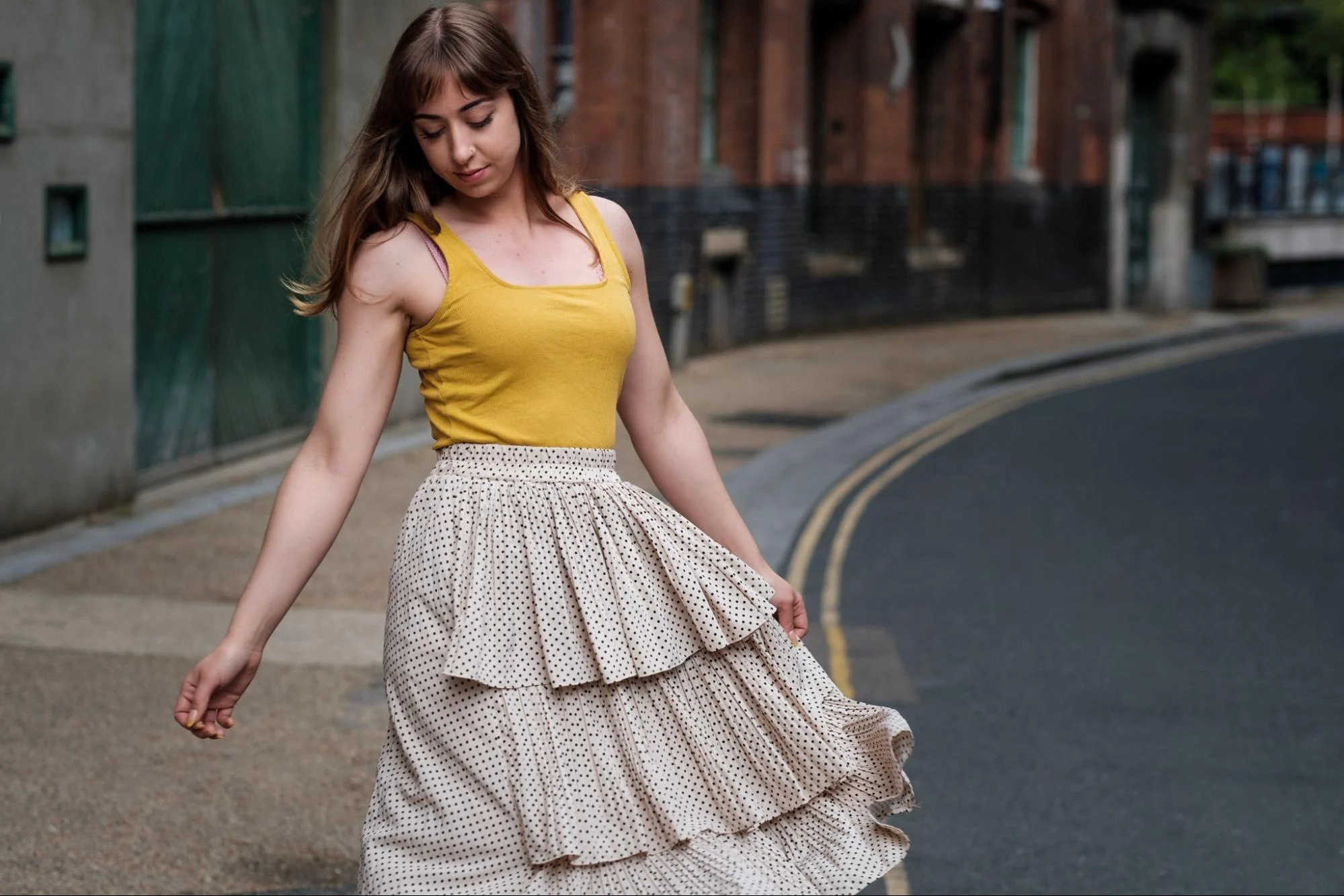
That is why floral prints on crisp cotton can feel fresh, while the same floral on limp synthetic cloth can feel cheap. Print needs the right stage. Without it, the whole outfit starts arguing with itself.
This is also where modern women fashion gets fun. You can wear color boldly if the textile keeps it honest. Emerald in velvet feels lush. Red in structured cotton feels confident. Cream in textured knit feels inviting instead of dull.
My favorite rule here is simple: when color gets louder, texture should get smarter. When print gets busier, silhouette should get cleaner. Fashion works best when one element takes the spotlight and the others know their lines.
That balance is what makes outfits feel current instead of crowded.
Textile Fashion Tips That Make Your Wardrobe Look Expensive
Most people think “expensive-looking” means designer labels, but the eye is easier to fool than that. What reads polished is fabric quality, clean finish, and shape retention. That is why textile fashion tips can save you real money. They help you buy fewer pieces that do more work.
Start with matte fabrics. They often look richer than overly shiny ones. Then check thickness. Thin does not always mean cheap, but flimsy usually does. Hold garments to the light. If the fabric collapses or twists strangely, leave it alone and keep walking.
Lining matters. So do seams, hems, and recovery after a squeeze test. Crush the fabric lightly in your hand. If it comes back with dignity, good sign. If it looks like it survived a family argument, put it back.
Build your wardrobe around reliable anchors: a crisp shirt, a dense knit, tailored trousers, a relaxed blazer, a dress with clean drape, and one textured outer layer. Those pieces carry trend items instead of competing with them.
The sneakiest upgrade of all is editing. When every fabric in your wardrobe serves a clear purpose, outfits stop looking accidental. That is when style gets interesting. Not louder. Better.
And better is the look that lasts.
Conclusion
Real style is not about owning endless options. It is about knowing why one fabric makes you stand taller and another makes you want to go home and change. That shift in thinking changes everything. You stop buying for fantasy, stop chasing every passing craze, and start building a wardrobe that works in the mirror and in real life.
The best dressers are not always the boldest. They are the ones who understand material instinctively. They know when crisp beats clingy, when texture beats sparkle, and when comfort beats stubborn style theater. That judgment is what gives clothes authority.
If you take one thing from these textile fashion tips, let it be this: fabric is not background decoration. It is the engine of the outfit. Once you respect that, trends become easier to filter and your wardrobe gets sharper without becoming bigger.
So the next time you shop, slow down. Touch the cloth. Check the drape. Ask whether the fabric fits your life, not just your mood. Then build from there.
Your next great outfit probably is not hiding in a trend report. It is hiding in a better textile choice.
FAQs
What are the best textile fashion tips for making simple outfits look stylish?
Start with fabrics that hold shape, mix at least two textures, and avoid cheap shine. A simple outfit looks far stronger when the cloth has character and purpose.
How do I choose the right fabric for everyday fashionable clothing?
Match the fabric to your real routine first. If you move a lot, choose breathable and forgiving materials that stay neat without constant adjusting.
Which fabrics make clothes look more expensive on a budget?
Dense cotton, quality wool blends, matte satin, textured knits, and structured denim usually look richer than flimsy synthetics. Finish and drape matter just as much as price.
Why does the same outfit look better in one textile than another?
Because fabric controls shape, movement, and surface. Two garments can share the same cut, yet one looks polished while the other looks tired within minutes.
Are natural fabrics always better than synthetic fabrics for fashion?
Not always. Natural fibers often feel better and breathe better, but a smart blend can add stretch, durability, and easier care when it is done well.
How can I mix textures in an outfit without making it look messy?
Keep one texture dominant and let the others support it. A chunky knit with sleek trousers works because each fabric has a clear role.
What fabric mistakes make trendy outfits look cheap?
Overly shiny cloth, weak lining, poor recovery, clingy thin fabric, and prints on low-quality material can drag down an otherwise good look very quickly.
How do I dress stylishly in hot weather using the right textiles?
Choose breathable cotton, linen, gauze, or light blends that move air and sit away from the skin. Heat exposes bad fabric choices fast.
What textiles work best for fashionable winter layering?
Wool, brushed cotton, corduroy, cashmere blends, thick jersey, and sturdy denim layer well because they add warmth while keeping visual depth in the outfit.
Can textile choice really affect confidence and body shape?
Yes, more than most people admit. Fabric can skim, cling, pull, collapse, or support. When it behaves well, you carry yourself differently without even trying.
How do I build a wardrobe around fabric instead of fast trends?
Buy a few pieces with reliable texture, drape, and structure first. Then let trend items rotate around them instead of rebuilding your whole closet every season.
What is the easiest first step for learning fabric and style together?
Start touching garments before buying them. Check weight, drape, and finish in person whenever you can. Your hands learn faster than trend content ever will.