Top Fabric Style Tips for Better Outfits
Bad fabric can ruin a good outfit faster than bad color ever will. You can wear the right cut, the right shoes, even the right bag, and still look slightly off because the material does not hold its own. That is why fabric style tips matter more than most people think. They do not sit in the background. They set the mood, shape the fit, and decide whether your outfit looks sharp, relaxed, expensive, or tired.
I learned that the hard way after buying dresses that looked perfect on hangers and deeply disappointing on actual bodies. The print was nice. The color was pretty. The fabric, though, had all the charm of a wrinkled napkin. That kind of mistake teaches you fast.
When you understand fabric, you stop shopping only with your eyes and start dressing with judgment. Your outfits get better without becoming louder. That is the sweet spot.
You will also notice that good dressing has less to do with chasing trends and more to do with choosing materials that work with your day, your shape, and your standards. That shift changes everything.
Start With How Fabric Behaves, Not Just How It Looks
Most outfit problems begin with wishful thinking. You see a blouse in soft lighting, imagine elegance, then wear it outside and realize it clings, creases, or hangs like a curtain. Fabric tells the truth the moment you move.
Weight matters first. Light fabrics float, but they can also expose every line underneath. Heavier ones give structure, which is why a firm cotton shirt often looks more polished than a flimsy synthetic one. A blazer in dense twill holds authority. The same shape in weak fabric looks defeated.
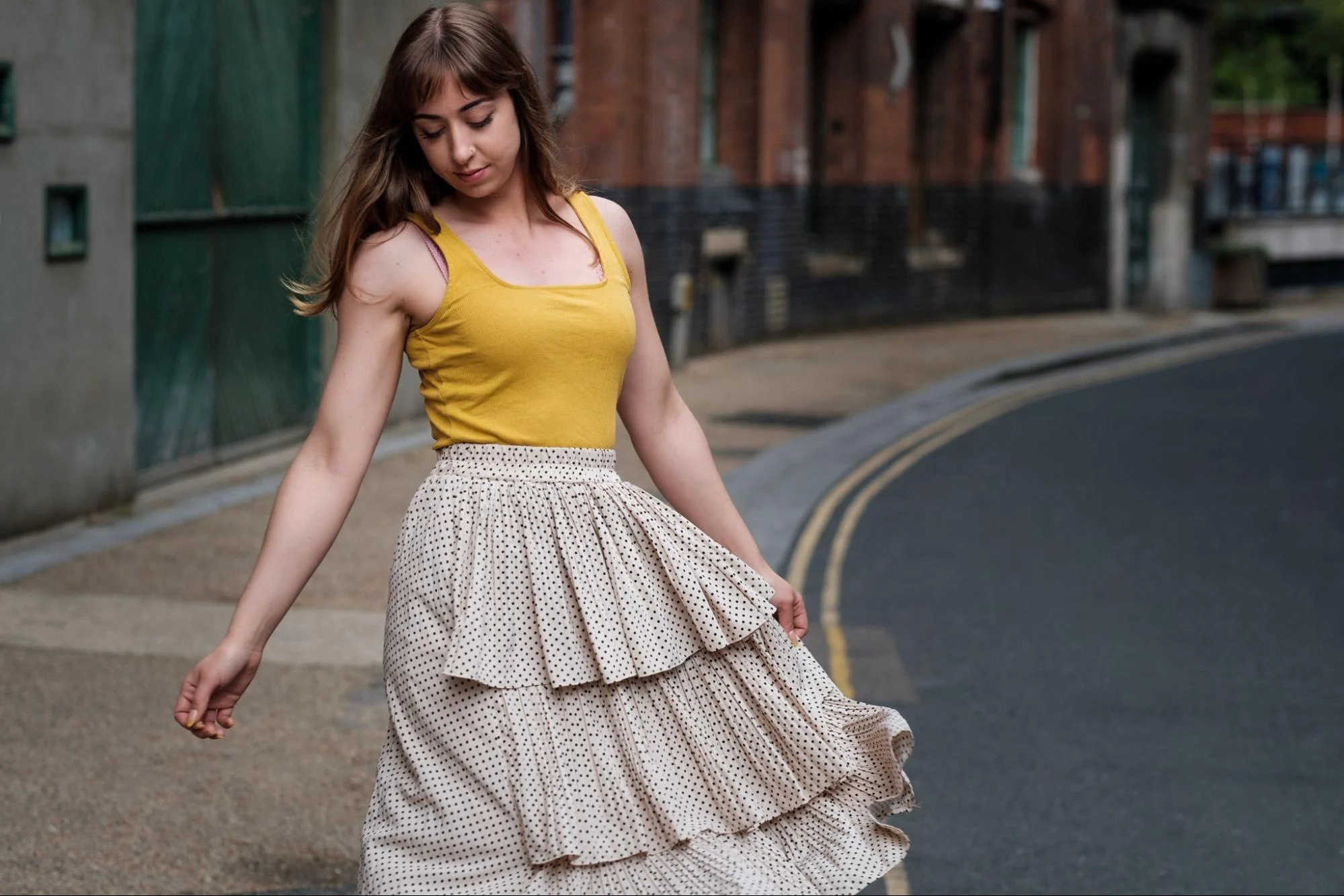
Drape matters next. Some materials skim the body and create ease. Others stand away from it and build shape. Neither is better by default. The trick is knowing what the outfit needs. A slip skirt wants flow. Tailored trousers want discipline.
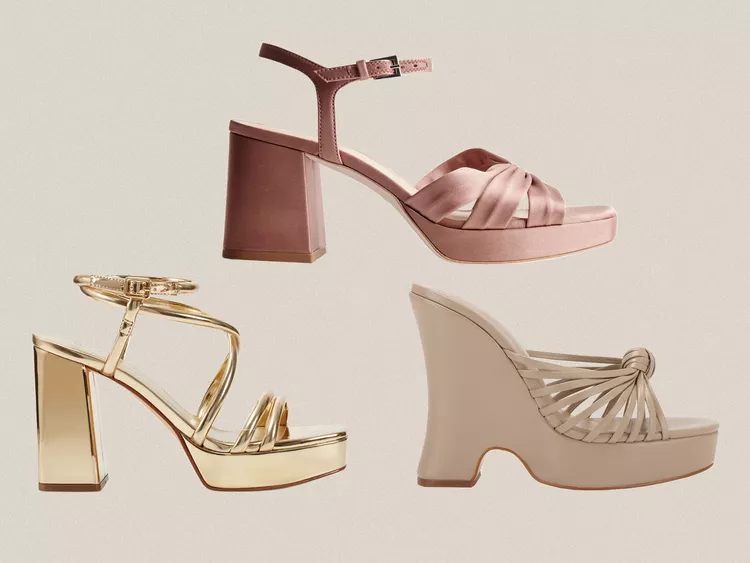
Texture is the quiet third factor, and it changes everything. Matte linen feels relaxed. Satin catches light and asks for cleaner styling. Bouclé adds personality before you even add jewelry.
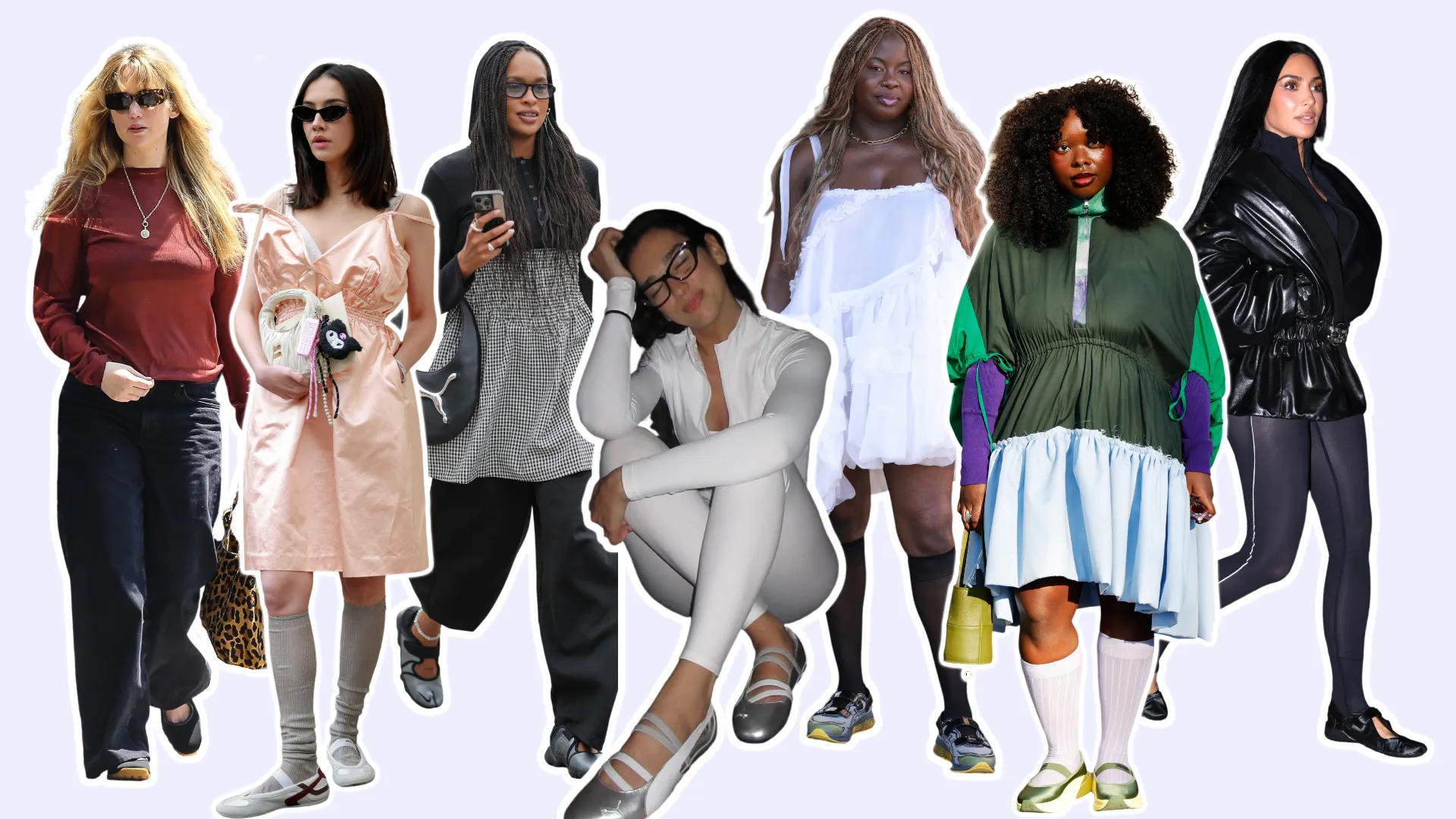
This is where modern women fashion often gets misunderstood. People copy silhouettes from photos but ignore the fabric doing half the work. The cut gets the credit. The material deserves it.
Use Texture Contrast to Make Simple Clothes Look More Thoughtful
Once you understand behavior, the next move is contrast. Not chaos. Contrast. That means pairing fabrics that play off each other so the outfit looks considered without trying too hard.
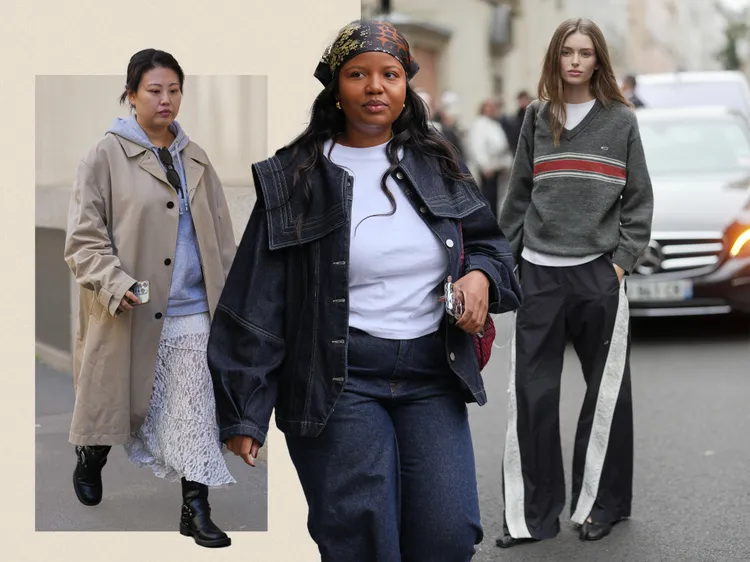
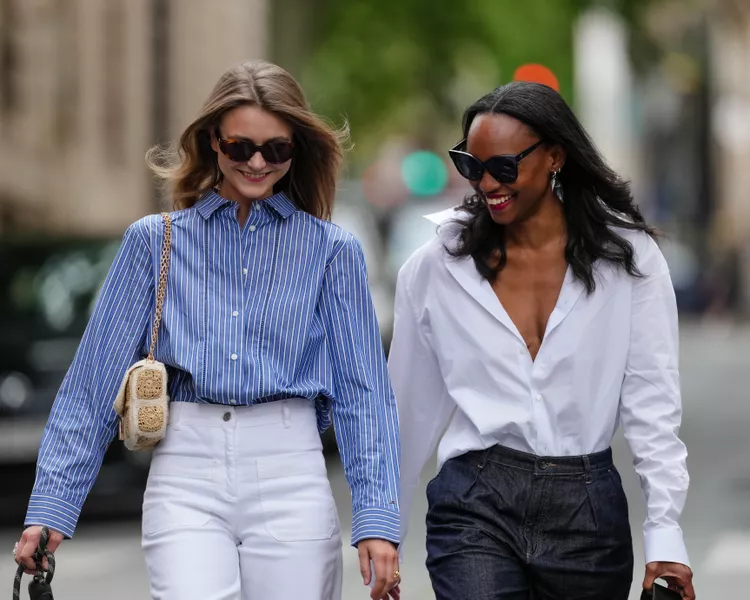
A smooth knit top with washed denim feels balanced. A crisp cotton shirt against soft wide-leg trousers feels cleaner than two equally loose pieces. Leather with wool, linen with denim, ribbed knits with sleek skirts—these pairings give your outfit depth before color even enters the room.
I see many women pile on accessories when the real fix is fabric contrast. The outfit is not boring because it lacks earrings the size of chandeliers. It is boring because every piece says the same thing in the same tone.
One of my favorite real-life examples is a plain white shirt with dark jeans and suede loafers. Nothing flashy. Yet the mix of crisp, sturdy, and brushed texture makes it feel finished. That is the sort of outfit people call effortless, even though it is quietly precise.
For a quick reference on natural fibers and their feel, the Cotton Incorporated fabric guide offers useful basics without the fashion fluff. Learn the feel once, and shopping gets easier.
Dress for Weather Like You Respect It
A stylish outfit that fights the weather is not stylish for long. You might look great for twelve minutes, then spend the next six hours tugging, sweating, or freezing. Fashion loses its charm when you are uncomfortable.
Hot weather asks for breathability, not just lighter colors. Linen, cotton poplin, gauze, and light-weight blends give air somewhere to go. That matters more than buying another sleeveless top in a fabric that traps heat like plastic wrap.
Cold weather needs layers that work together instead of battling for space. A fine merino base under a wool coat feels smarter than stuffing a thick hoodie under something too fitted. Bulk is not the same as warmth. Good fabric keeps heat without making you look like a padded chair.
Rainy days need honesty. Suede in surprise showers is optimism with consequences. Slippery synthetics may dry fast, but they can also feel clammy. Better to choose pieces that handle damp weather without becoming miserable.
This is where smart style starts to feel personal. You stop dressing for the mirror alone and start dressing for the full day. That change makes your wardrobe more dependable, which is far more attractive than fragile perfection.
Let Fabric Set the Formality of the Outfit
People often ask why one black dress feels fit for dinner and another feels fit for errands. Same color. Similar length. Different result. The answer is usually fabric.
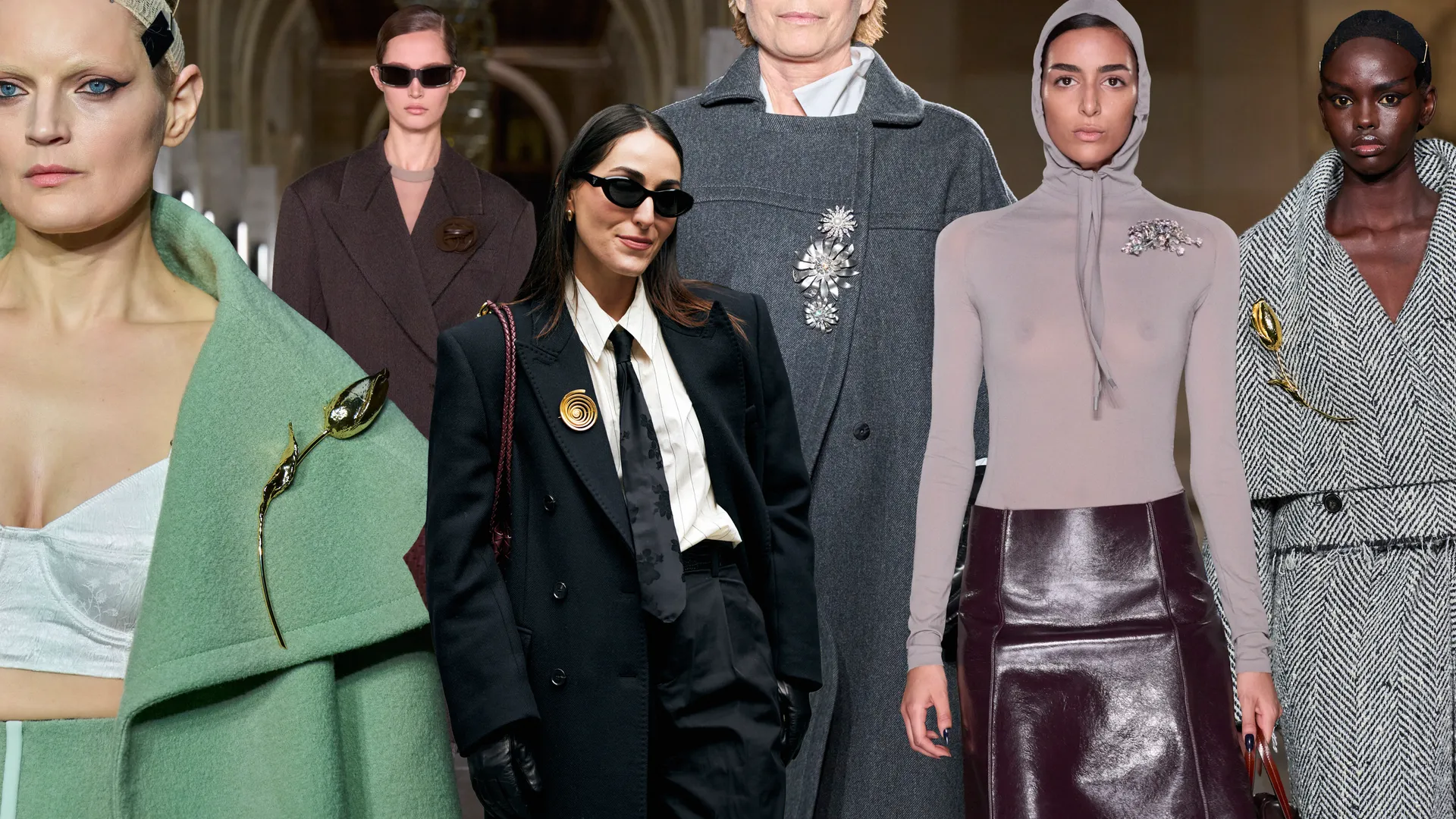
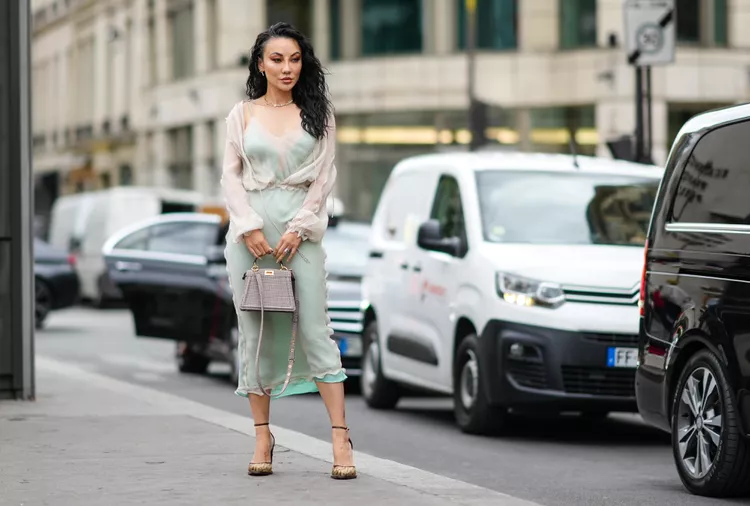
Material sets the dress code before anyone notices the details. Satin, silk-like weaves, structured crepe, and fine wool blends pull an outfit upward. Jersey, slub cotton, brushed fleece, and loose knits bring it down to earth. Neither direction is wrong. You just need intention.
This is the point where fabric style tips stop sounding decorative and start sounding practical. When you know the social signal a fabric sends, you waste less money on clothes that sit in your closet waiting for a life you do not live.
I once saw a woman wear a sharp ivory trouser set to a daytime event. It looked expensive not because of the label, but because the fabric held shape and caught light softly instead of shining like cheap polyester. You could see the difference from across the room.
So when you want to dress something up, do not always add more. Swap the fabric first. A matte skirt becomes evening-ready in satin. A soft tee becomes smarter in ribbed knit. Fabric changes the conversation fast.
Build a Wardrobe That Mixes Well Instead of Shopping Piece by Piece
The best wardrobe is not the biggest one. It is the one where fabrics cooperate. That means your trousers work with more than one top, your outerwear does not fight your dresses, and your shoes make sense with the texture of the rest.
Start by looking at your repeat players. Maybe you wear denim, cotton shirts, knit tops, and one good blazer every week. Good. Build around that reality. Add fabrics that connect to those pieces instead of chasing random statement buys with no friends in the closet.
A smart wardrobe usually needs a few anchors: crisp cotton, dependable denim, a soft knit, one structured fabric, and one dressier option with clean drape. From there, outfits come together faster because the materials already speak a shared language.
This also saves you from shopping mistakes that seem exciting in-store and confusing at home. A glittery organza top may be fun, but if nothing around it supports that mood, it becomes closet theater. Nice to look at. Rarely used.
That is why modern women fashion works best when it feels edited. You do not need endless variety. You need better relationships between the pieces you already own and the few new ones worth adding.
Trust the Touch Test More Than the Trend Cycle
Trends move quickly, but fabric exposes quality immediately. You can ignore half the hype by touching a garment and asking a few blunt questions. Does it breathe? Does it wrinkle beyond rescue? Does it scratch? Does it hold shape? Would you still want to wear it after two hours, not two photos?
That touch test keeps you honest. It also keeps you from buying clothes for a fantasy version of your week. I am not against trend pieces. I am against uncomfortable trend pieces that make you walk funny, sit carefully, or regret lunch.
A good fabric does not have to be expensive, but it does need to earn its place. Cheap clothes can look good when the material suits the design. Expensive clothes can look silly when the fabric and purpose are mismatched. Price is not the judge. Wearability is.
So here is the bigger takeaway: fabric is not a side note in style. It is the engine. Learn how materials behave, notice how they mix, and choose them with a little more nerve. Then go to your closet, pull out three outfits, and judge them by fabric before anything else. You will see your wardrobe more clearly, and your next purchase will probably be smarter.
How do fabric style tips help you build better outfits faster?
They cut down guesswork. Once you know which fabrics drape well, hold shape, or breathe in heat, you can spot better outfit combinations in minutes instead of trying on six disappointing options.
What fabric works best for everyday outfits that still look polished?
Crisp cotton, mid-weight denim, soft knits, and light wool blends usually do the job well. They look put together without feeling fussy, which matters when real life starts moving.
How can you tell if a fabric will look cheap before buying it?
You need to check shine, stiffness, and recovery. If the material looks overly glossy, feels flimsy, or stays badly creased after handling, it usually will not wear well.
Which fabrics make women’s outfits look more expensive?
Structured cotton, quality linen, wool blends, suede, and satin with a soft glow often read better than thin synthetics. The key is finish and texture, not just the label.
What is the best fabric to wear in hot weather without looking messy?
Linen and cotton are strong picks when you choose the right weave. They breathe well, and when the cut is smart, they look relaxed instead of rumpled.
How do you mix different fabric textures in one outfit?
Start with one smooth fabric and one textured fabric. Think cotton with suede, denim with knit, or satin with wool. The outfit feels richer when each piece adds contrast.
Why do some outfits fit well but still feel off?
That usually happens when the fabric fights the design. A good cut in a weak material can sag, cling, or bunch up in all the wrong places.
Are synthetic fabrics always a bad choice for stylish outfits?
No, but they need scrutiny. Some blends improve durability or stretch, while others trap heat and look shiny. Judge the fabric by feel, function, and finish.
How can you use fabric to dress an outfit up without extra accessories?
Swap casual textures for refined ones. A satin skirt, crepe blouse, or structured trouser changes the whole mood faster than piling on necklaces ever will.
What fabrics should you avoid for outfits that need to last all day?
Anything itchy, clingy, overly sheer, or wrinkle-prone can turn against you by midday. You want fabrics that still look decent after sitting, walking, and living.
How do you build a capsule wardrobe around fabric choices?
Choose a few dependable materials that mix easily: cotton, denim, knit, one structured cloth, and one dressy option. That gives you range without making the closet chaotic.
Can fabric really matter more than color or trend in fashion?
Yes, often more than people admit. Color gets attention, but fabric decides movement, comfort, fit, and finish. If the material is wrong, the rest rarely saves it.