Top Fabric Trends for Modern Women Style
Clothes fail fast when the fabric is wrong, even if the cut looks expensive on the hanger. Most style mistakes do not start with color or fit. They start with texture, weight, and how a material behaves once real life gets involved.
That is why fabric trends for modern women style matter more than people think. You are not just picking a dress, trouser, or blouse. You are choosing whether the piece will breathe on a hot afternoon, hold shape through a long workday, or collapse into a wrinkled mess by lunch. Fabric decides mood before accessories even get a say.
The smartest dressers I know do not chase every trend. They learn how cloth moves, shines, stretches, and ages. That small shift changes everything. A simple shirt in the right fabric can outclass a flashy piece in a cheap one. Taste shows up in details.
If you want a useful starting point, spend a few minutes with the CFDA fashion fundamentals. You do not need a design degree. You just need sharper eyes and better instincts.
Why fabric choice changes the whole outfit
Style gets too much credit. Fabric does the heavy lifting.
You can copy the exact same outfit from a photo and still miss the point if your material feels stiff, thin, or overly shiny. That is why some looks feel relaxed and polished at once, while others feel oddly forced. The shape may match, but the fabric tells a different story. Your eye catches that, even when you cannot explain it.
I learned this the annoying way with two nearly identical black shirts. One was made from a flimsy synthetic blend that clung in the wrong places and trapped heat like a closed car. The other had a dry, soft hand feel and sat clean on the body. Same color. Same cut. Entirely different energy.
This is also where style ideas for modern women fashion either come alive or fall apart. A trend is never just a silhouette. It is a texture story. Crisp cotton reads fresh. Washed linen reads easy. Satin reads dressed up, sometimes a little dramatic. Rib knit feels grounded and body-aware.
So before you buy the next pretty thing, pause at the label. Touch matters. Weight matters. Drape matters. That one habit saves money, closet space, and a lot of regret.
Why cotton and linen still win real life
Natural fibers keep proving themselves because they work with your life instead of against it.
Cotton remains a favorite for one simple reason: it behaves. A good cotton poplin shirt looks clean, feels breathable, and survives repeat wear without becoming fussy. You can wear it with jeans, tailored pants, or a slip skirt and still look like you made an effort. That range is hard to beat.
Linen plays a different game. It does not beg for perfection. It gives you ease, airflow, and a kind of confidence that says you are comfortable in your own skin. Some people still complain about wrinkles. I think that complaint misses the point. Linen is supposed to look lived in. That slight crease is part of the charm, not proof you failed at dressing.
Designers keep returning to these fabrics because women keep returning to them. A linen co-ord in summer, a cotton shirt dress for travel, wide-leg cotton trousers for long office days—those are not fantasy clothes. They are real wardrobe workers.
And here is the part people ignore: comfort changes posture. When you are not tugging, sweating, or overthinking, you stand better. You move better. You look better. Sometimes the right fabric is the best styling trick in the room.
Why satin and silk keep returning
After comfort comes contrast, and that is where shine steps in.
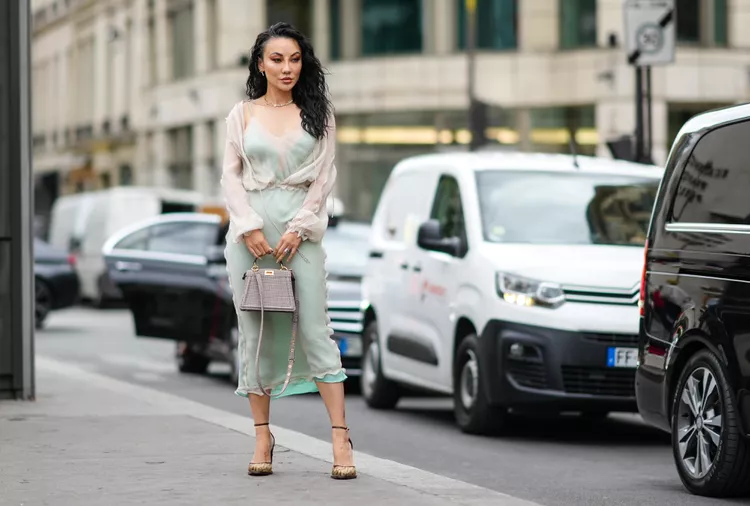
Satin and silk return every season because they do something plain fabrics cannot. They catch light, soften strong tailoring, and turn a simple shape into a moment. A bias-cut skirt in satin can make a basic knit feel dressed. A silk blouse can rescue tired work pants from total boredom. That is real value.
Still, these fabrics demand restraint. Too much shine at once can look more thirsty than tasteful. The best outfits keep the rest of the look calm. Think matte shoes, clean hair, minimal jewelry, maybe one strong lip if you are in the mood. Let the cloth speak. It does not need backup singers.
I once saw a woman at a late dinner wearing a cream satin shirt with old blue denim and flat leather sandals. Nothing loud. Nothing trendy for the sake of it. She looked better than half the room because the texture balance was spot on. That is the lesson.
Modern dressing works when opposites meet each other halfway. Soft with structured. Fluid with firm. Polished with relaxed. Satin and silk keep coming back because they are excellent at that balancing act. Used well, they look grown, not try-hard. That difference matters.
Why textured fabrics add instant personality
Texture is what saves an outfit from looking too clean, too plain, or too forgettable.
Smooth fabrics have their place, but texture gives clothes memory. Bouclé jackets, ribbed knits, crinkled cotton, brushed wool, soft crochet, and pleated finishes all create visual depth without needing loud prints or extra styling tricks. You notice them before you name them. That quiet pull is powerful.
This is also where fabric trends for modern women style stop being abstract and start becoming useful. A simple sleeveless top in a ribbed knit feels more intentional than the same top in a flat, lifeless jersey. A co-ord in crinkled fabric travels better, hides wear, and still looks styled when the day runs long. Texture solves problems while adding character. That is my kind of trend.
There is a caution here, though. Heavy texture can also add bulk if you place it badly. A chunky bouclé mini may look cute online and feel awkward in motion. A stiff jacquard blazer may win in photos and lose by hour two. Always think about scale and placement on your body, not just on the model.
When in doubt, bring texture in through one hero piece. Let it carry the outfit. You do not need noise. You need interest.
Why stretch blends matter more than people admit
People love to act like stretch ruins fashion. That sounds chic and wise until you sit down.
A small amount of stretch can make clothes wearable in the best sense of the word. Not sloppy. Not lazy. Wearable. Trousers skim better, fitted dresses move better, and structured tops hold shape while still letting you breathe. That tiny bit of give often separates “pretty in theory” from “I actually wore it all day.”
The problem is not stretch itself. The problem is bad fabric disguised as comfort. Cheap synthetic blends can pill fast, trap heat, and lose shape after a few washes. That is when clothes start looking tired before they have earned the right to. Good blends feel supportive. Bad ones feel clingy and sad.
This is where style ideas for modern women fashion need a reality check. You are not dressing for a still photo alone. You are walking, commuting, sitting, carrying a bag, reaching for things, and trying to stay sane. Movement matters. Fabric that works with your body beats fabric that only flatters you while standing still.
So yes, read the fiber mix. A little elastane in denim or suiting is not a crime. Sometimes it is the reason a piece becomes your favorite.
Why smart shoppers now read labels first
The most stylish habit you can build is not buying more. It is reading better.
A label tells you what a garment may become after five wears, two washes, and one inconvenient rainy day. It hints at breathability, care needs, wrinkle risk, and how likely the shape is to survive daily life. That is not boring information. That is the whole story hiding in tiny print.
I always tell people to stop shopping only with their eyes. Shop with your fingers and your schedule too. If you hate ironing, do not bring home high-maintenance fabrics and then act shocked. If your week involves long hours and hot weather, choose materials that stay calm under pressure. Romantic shopping creates clutter. Honest shopping builds a wardrobe.
There is also a growing shift toward better-made basics, and I think that is a healthy correction. Fewer pieces, stronger fabric choices, and less dependence on throwaway trends usually lead to sharper style. Not instantly. But steadily.
That shift matters because fashion is finally getting dragged back to common sense. Good fabric does not need a hard sell. It earns trust over time. Once you start noticing that, your closet gets quieter, smarter, and far more useful.
Conclusion
Fashion gets noisier every year, but smart dressing usually gets simpler. The women who look consistently pulled together are not always buying the boldest pieces or chasing every fresh drop. They understand fabric. That is the real edge.
Fabric trends for modern women style are not about memorizing what is hot for one season and forgetting it six months later. They are about knowing what drapes well, what breathes, what lasts, and what supports the life you actually live. That knowledge keeps you from wasting money on clothes that photograph nicely and disappoint the second they touch your skin.
My honest opinion? The next wave of personal style will belong to women who shop slower and choose better. Texture, movement, comfort, and finish will matter more than hype. Good taste is getting less performative and more practical, and that is a relief.
So the next time you are about to click “add to cart,” slow down for ten seconds. Read the fabric content. Think about where you will wear it. Imagine how it moves. Then buy with intention, not impulse. Your wardrobe will thank you, and your outfits will finally start making sense.
What are the best fabrics for women’s everyday style?
The best everyday fabrics are the ones that stay comfortable and still look pulled together by late afternoon. Cotton, linen blends, soft knits, and quality denim usually do that job better than flashy materials.
How do I choose fabric that looks expensive on a budget?
You should look for weight, texture, and clean finish before you look at the brand tag. A modestly priced cotton poplin or matte satin can look far richer than a cheap, shiny synthetic.
Which fabric trends work best in hot weather for women?
Hot weather calls for breathability first and style second, because the second one usually follows. Linen, cotton voile, light poplin, and airy blends help you stay cool without dressing like you gave up.
Are satin clothes still in style for modern women?
Yes, but the styling has changed. Satin looks strongest when you pair it with grounded pieces like denim, flat sandals, or a simple knit instead of dressing the whole outfit in shine.
Why does fabric matter more than color sometimes?
Fabric affects drape, comfort, movement, and even confidence. Color catches the eye first, but fabric is what decides whether the outfit feels polished, awkward, stiff, or effortlessly right on you.
What fabrics should women avoid for daily wear?
You should be careful with thin, clingy synthetics that trap heat and lose shape after a few washes. They often look fine online and deeply disappointing once your day actually starts.
How can I tell if a fabric will wrinkle too much?
You can learn a lot by scrunching a small area in your hand for a few seconds. If it stays crushed immediately, it will probably ask for more maintenance than you want.
Are textured fabrics flattering for all body types?
Yes, though placement matters. Texture can add shape, interest, and balance, but bulky or stiff materials in the wrong area may fight your frame instead of supporting it.
What is the difference between silk and satin in clothing?
Silk is a fiber, while satin is a weave or finish. That means satin can be made from silk or synthetics, and the feel, breathability, and quality can vary a lot.
Do stretch blends make clothes look cheaper?
Not at all when the blend is done well. A little stretch often improves fit and comfort, especially in trousers, dresses, and denim, without hurting the look of the garment.
How many fabric types should I keep in a versatile wardrobe?
You do not need a giant range. A wardrobe built around cotton, linen, denim, knitwear, one dressy shine fabric, and one structured material usually covers most real-life dressing needs.
What is the smartest way to shop fabric trends without wasting money?
Buy one trend through fabric, not five through random pieces. A textured jacket, satin skirt, or linen set lets you update your wardrobe without turning your closet into a regret museum.