Easy Fabric Guide for Elegant Outfit Planning
A polished outfit usually falls apart for one boring reason: the fabric was wrong from the start. People blame the cut, the shoes, even the mirror, when the real issue sits right there in the cloth. Easy fabric guide thinking fixes that fast, because fabric decides whether your outfit glides, clings, wrinkles, shines, or quietly steals the room.
You do not need a fashion degree to spot the difference between something that looks expensive and something that looks tired by lunch. You need a sharper eye and a little honesty about how clothes behave outside fitting rooms. That is where most style advice goes soft. Real outfits face heat, movement, bad lighting, packed schedules, and chairs that do nobody any favors.
Elegant dressing starts before accessorizing. It starts when you ask better questions at the rack: Does this fabric hold shape? Does it breathe? Does it collapse after an hour? That small shift changes everything. For a useful starting point on fiber basics, the Textile Exchange offers solid background without the usual fluff.
The good news is simple. Once you understand fabric, outfit planning stops feeling random and starts feeling intentional.
Why Fabric Choice Changes the Whole Outfit
Most people shop with their eyes first, and that is how they end up with clothes that look good on hangers and awkward on bodies. Print and color grab attention, but fabric decides whether the piece feels graceful or slightly tragic by the second wear. You can put a lovely shade on a weak material and still get a disappointing outfit.
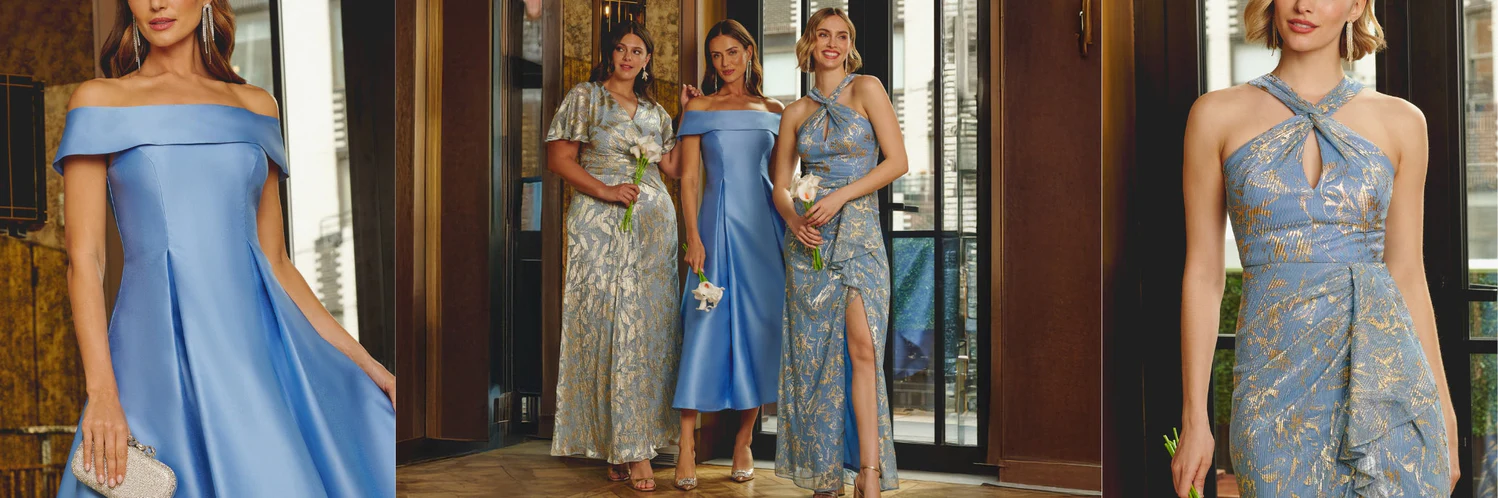
Texture sends a message before anyone notices the cut. A matte crepe dress feels restrained and grown, while a shiny synthetic blend can make the same shape look louder than you meant. That does not make shine bad. It just means you should know what kind of attention you are inviting.
Natural fibers often earn their reputation the hard way. Cotton stays easy, linen gives charm with a bit of attitude, wool holds shape better than people expect, and silk has that fluid confidence cheap imitations rarely manage. Each one has a personality. Ignore that, and the outfit starts arguing with itself.
I learned this the annoying way with a pale beige blouse that looked refined online and looked limp by noon in real life. The color was right. The fit was fine. The fabric had no backbone, so the whole look lost its nerve. That is the thing no one tells you enough: elegance is not decoration. It is control.
Once you see fabric as the engine of the outfit, you stop buying for fantasy and start dressing with better instincts.
How Weight and Drape Control Your Silhouette
A garment does not just sit on your body. It hangs, pulls, skims, swings, and settles. That movement comes from weight and drape, and those two things can flatter you more than any trend ever will. Fit matters, yes. Still, fabric behavior often wins the final vote.
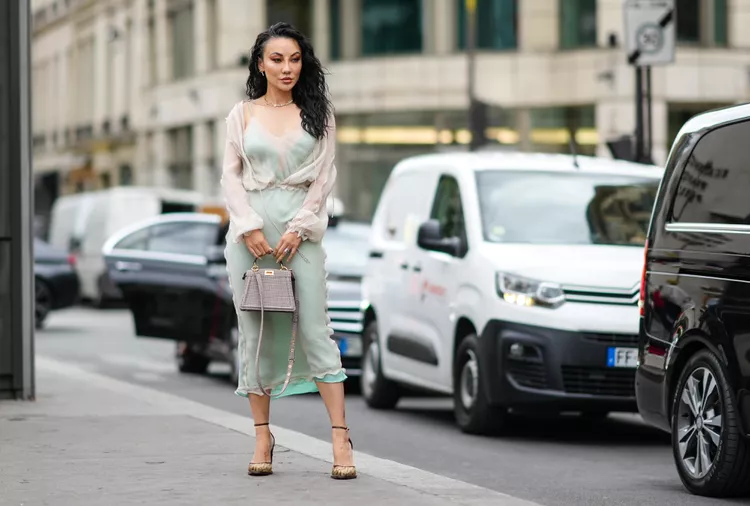
Light fabrics create air and motion. They work well when you want softness, ease, or a romantic line that does not feel forced. Chiffon, washed silk, and light voile can look beautiful, but they also expose weak tailoring fast. One bad seam and the magic disappears.
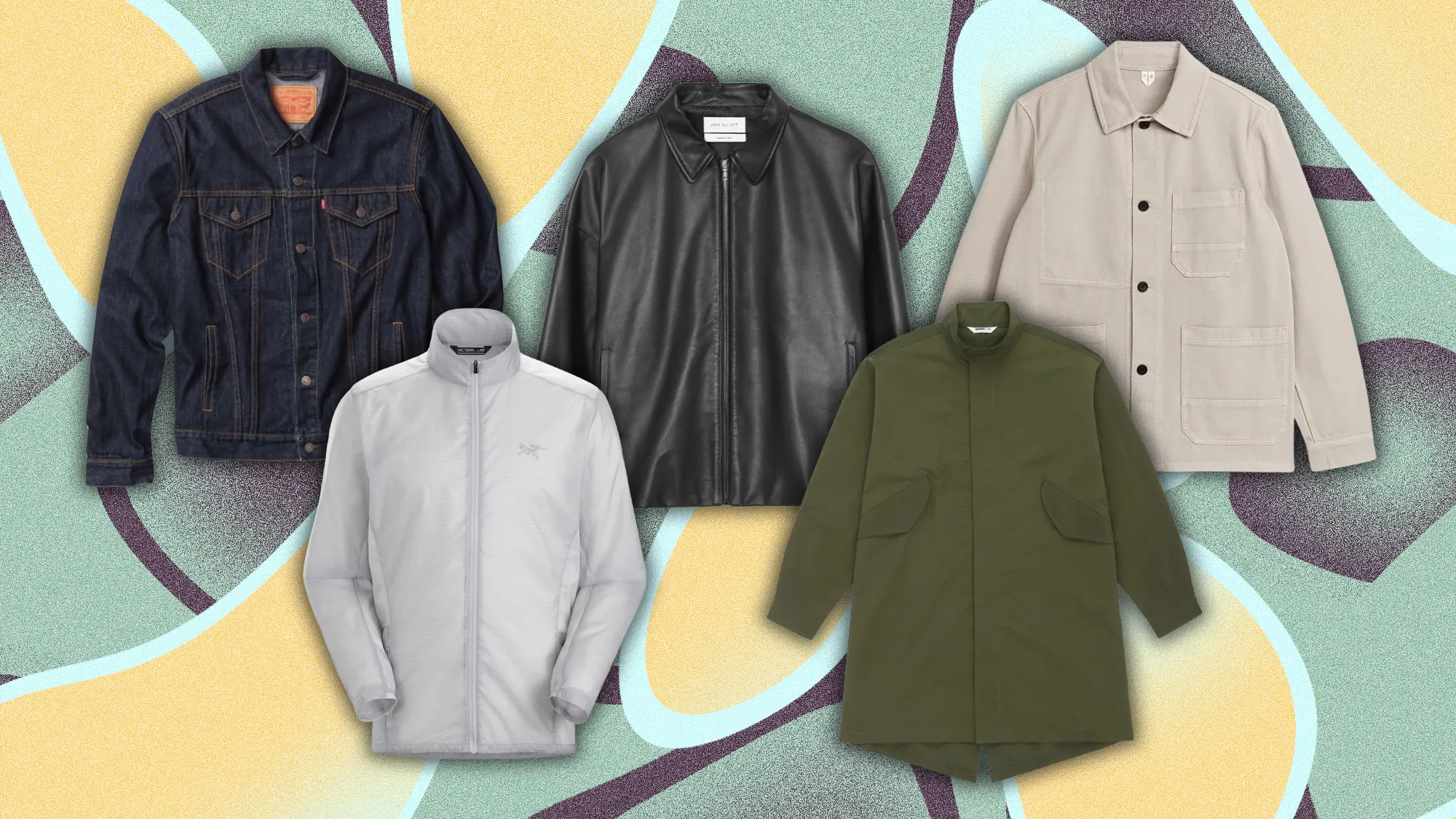
Heavier fabrics bring authority. Think twill, wool blends, structured cotton, or a dense satin that holds its line. These fabrics help jackets sit cleanly, trousers fall better, and skirts keep shape instead of collapsing into confusion. They are not stiff by default. They are dependable, which is a very different thing.
This is where elegant outfit planning gets practical. A pear-shaped silhouette often looks stronger in fabrics that skim rather than cling. A straighter frame can gain dimension from cloth with body. A fuller bust usually benefits from material that drapes without turning clingy. Small shifts, big payoff.
One counterintuitive truth deserves more love: a slightly heavier fabric can look slimmer than a thin one. Thin cloth loves to reveal every pull and crease. Heavier cloth edits. It gives the eye a cleaner line to follow.
When your outfit starts making the shape for you, styling becomes easier and far less dramatic.
Matching Fabric to Real Life, Not Fantasy
An outfit can be beautiful and still be a terrible choice for your actual day. This is where stylish people quietly separate themselves from people who are always adjusting sleeves, tugging hems, and regretting everything by 3 p.m. Elegance lives in reality, not in daydreams.
Start with climate. Linen in a hot city makes sense, though it wrinkles like it has strong opinions. Thick polyester in the same heat feels like punishment. Wool sounds like winter only, yet lightweight wool can perform brilliantly in changing temperatures because it breathes better than many people expect.
Then think about schedule. If your day includes commuting, desk work, walking, sitting for long stretches, and a dinner after, you need a fabric that can survive all of it. Crepe, quality cotton poplin, ponte, and some wool blends do this well. They keep shape without feeling fussy. That matters more than runway drama.
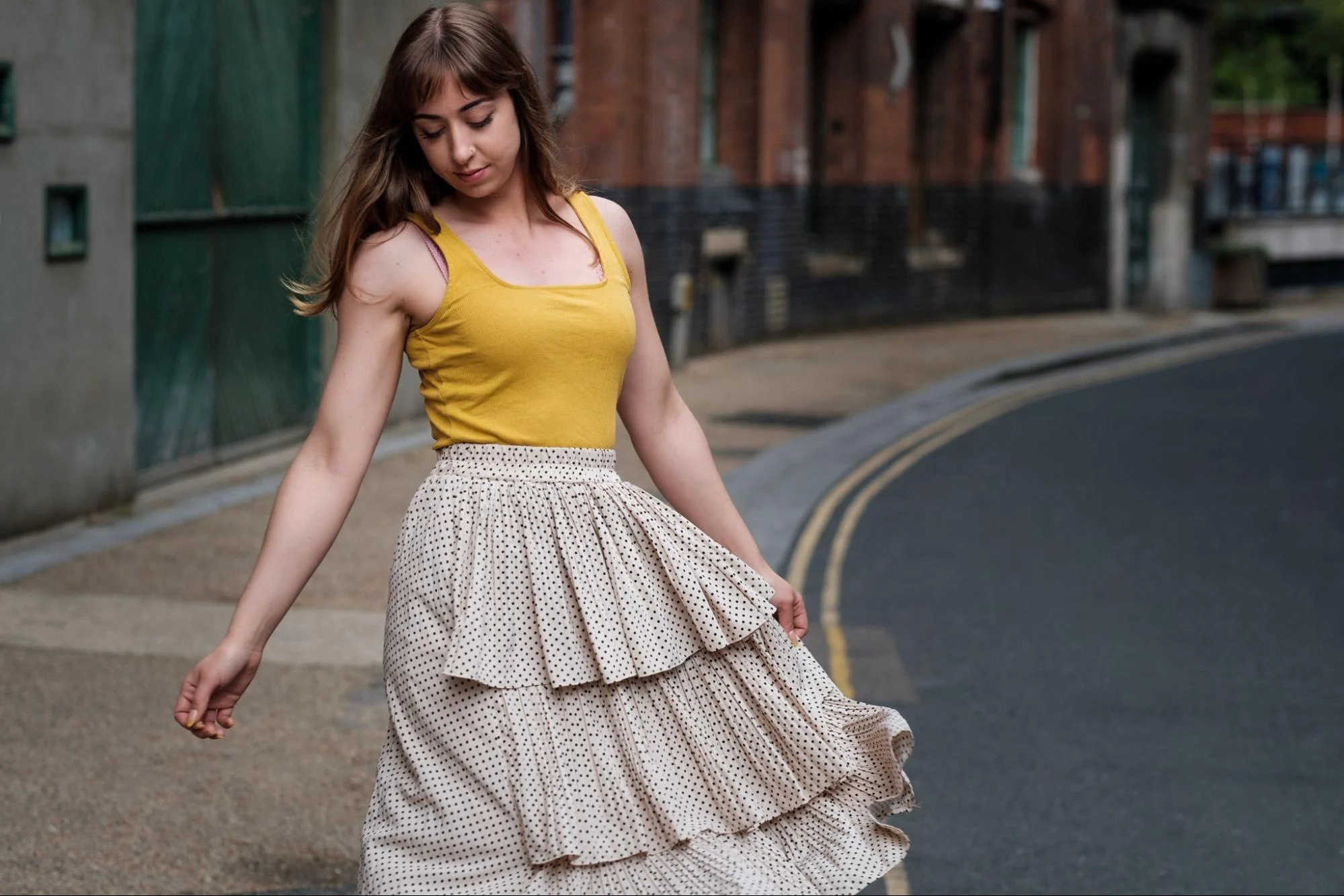
A friend once wore a silky bias-cut skirt to a long family event because it looked elegant at home. Two hours later, every seated moment had left marks, the waistband kept shifting, and the fabric showed every little pull from movement. Pretty? Yes. Peaceful? Not even close.
Real style gets better when you stop dressing for one frozen moment in front of the mirror. Dress for motion, light, weather, and time. That is not less glamorous. It is more intelligent.
And once your clothes work with your day, you finally have space to enjoy them.
Color, Texture, and the Quiet Power of Contrast
Elegant outfits rarely scream. They persuade. Much of that persuasion comes from how color and texture work together, not from piling on trendy details. You can wear the simplest outfit in the room and still look the most considered if the materials speak to each other well.
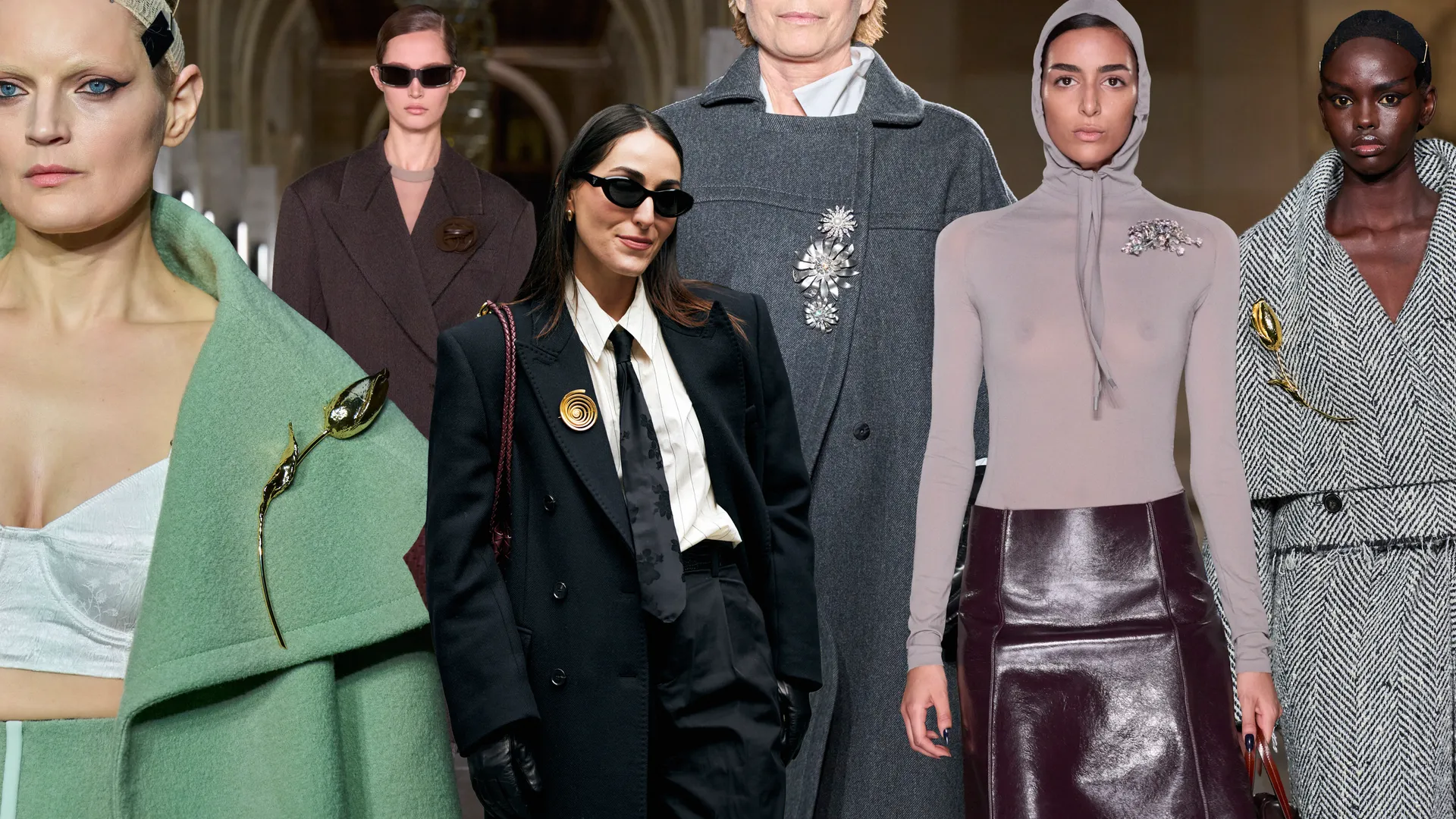
Texture keeps monochrome from feeling flat. A cream wool trouser with a fine knit top and a soft suede shoe says more than a loud pattern ever could. The colors stay calm, but the surfaces give the eye enough to enjoy. That is the trick. Interest without noise.
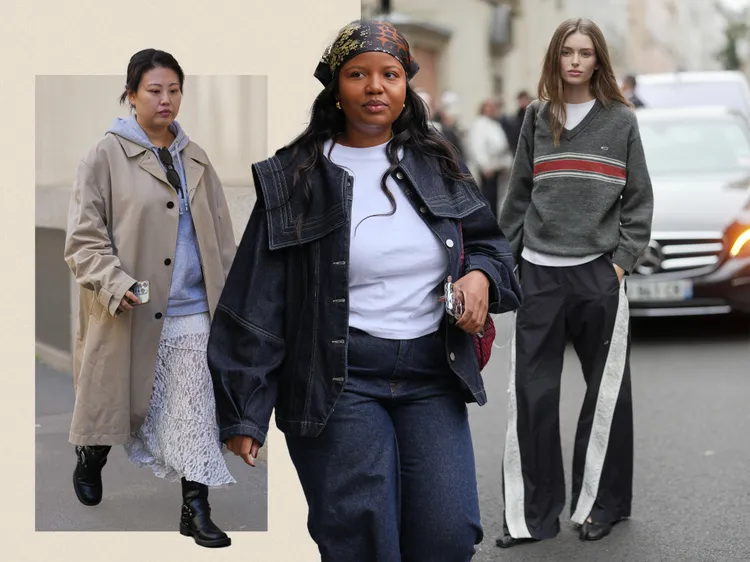
Contrast also matters, though not always in the obvious way. A smooth blouse with a dry, textured skirt creates balance. A structured blazer over a fluid dress adds poise. Even denim can look polished when paired with a refined fabric beside it. Elegant outfit planning often improves when you stop matching things too perfectly.
Here is the mistake I see all the time: people buy everything in the same finish. All shiny, all stiff, all slouchy, all thin. The result feels one-note. Your outfit needs tension in the best sense. A little structure beside softness. A little depth beside lightness. That is where style wakes up.
This section is where I would place easy fabric guide thinking in bold terms: do not ask only whether colors match. Ask whether the textures sharpen each other. That single question can rescue an outfit that felt almost right.
Subtle contrast does what flashy styling often promises and rarely delivers.
Building a Wardrobe That Feels Elegant Every Time
The smartest wardrobe is not the biggest one. It is the one with fabrics that repeatedly earn their place. You want pieces that can dress up, dress down, travel well, and still look composed when life gets messy. That kind of wardrobe feels calm. Calm is stylish.
Start with anchors. A structured blazer, a draped blouse, tailored trousers, a skirt with body, and one dress that moves well without clinging can carry half your style life. Fabric should lead each choice. Buy fewer pieces, but make each one dependable enough to pull weight all year.
Then add supporting players with intention:
- Cotton shirting for clean daytime polish
- Wool blend trousers for shape and repeat wear
- Silk or quality viscose for fluid contrast
- Linen or linen blends for warm-weather ease
- Knitwear that holds form instead of sagging by evening
That mix gives you options without chaos. One week you pair wool trousers with a fine cotton shirt. Next week the same trousers take a fluid top and low heels. Different mood, same foundation. This is how women with strong personal style seem effortlessly dressed. They are not guessing every morning. They built a system.
The best part is psychological. When your wardrobe contains fabrics you trust, you stop panic-buying shiny disappointments. You edit harder. You choose better. Your style gets quieter, then stronger. That is a trade worth making every single time.
Conclusion
Most outfit problems do not begin with a lack of taste. They begin with fabric choices that fight your body, your schedule, or your setting. Once you understand that, shopping gets less emotional and far more rewarding. You stop falling for clothes that win under store lighting and lose in daily life.
That shift matters because elegance is not about dressing in a way that looks fragile or overly precious. It is about wearing clothes that hold their own while making you look like you know exactly what you are doing. That confidence comes from cloth that drapes well, breathes when needed, keeps shape, and works with the mood you want to create.
The strongest wardrobes are built on this kind of judgment. Trends come and go, and many of them should go faster, honestly. Fabric knowledge lasts. It sharpens every purchase, every outfit decision, and every edit you make in front of the mirror.
So here is the real takeaway: treat easy fabric guide thinking as your filter before you buy, not your excuse after you regret it. Open your wardrobe, check what truly performs, and build from there. Your next step is simple—pick three favorite outfits this week and ask one blunt question: did the fabric help, or did it sabotage the whole look?
FAQs
What is the best fabric for elegant everyday outfits?
The best choice depends on your day, but wool blends, quality cotton, crepe, and silk usually give the cleanest result. They hold shape, drape well, and do not look flimsy after a few hours.
How do I choose fabric for flattering outfit planning?
Start by watching how the fabric falls, not just how it feels in your hand. Cloth that skims usually flatters better than fabric that grips every line and crease.
Which fabrics look expensive even on a simple design?
Matte silk, wool, crisp cotton poplin, crepe, and suede-like textures often look more refined than overly shiny synthetics. The finish matters as much as the fiber itself.
Is linen good for elegant outfit styling?
Yes, but only if you accept its personality. Linen brings charm, air, and ease, though it wrinkles fast. That wrinkle can look chic or careless depending on the cut.
What fabric should I avoid for polished outfits?
Very thin, clingy synthetic fabric causes trouble more often than it helps. It highlights pull lines, traps heat, and can make a well-shaped garment look cheaper than it is.
How can I tell if a fabric has good drape?
Hold the garment from one point and watch what happens. Good drape creates smooth movement and soft folds, while poor drape often looks stiff, awkward, or oddly bulky.
Are natural fabrics always better than synthetic ones?
No, and that myth needs to calm down. Natural fibers often feel nicer, but a good blend can perform better for stretch, wrinkle control, or durability in real life.
What fabric works best for elegant office outfits?
Crepe, wool blend suiting, ponte, and crisp cotton usually handle office life well. They look tidy for hours and can move from desk time to dinner without falling apart.
How do I mix textures without making an outfit look messy?
Keep the color story controlled, then vary the surfaces. Pair one smooth fabric with one textured piece, and let the contrast do the work instead of adding too many competing details.
Why do some outfits look elegant in photos but awkward in person?
Photos freeze a second. Real life exposes bunching, wrinkling, shine, stiffness, and poor movement. Fabric tells the truth once you sit down, walk around, or spend hours wearing it.
Can heavy fabric make me look slimmer than light fabric?
Quite often, yes. A slightly weightier fabric smooths the line of the body and avoids clinging, while very thin cloth tends to reveal more than most people want.
How do I build an elegant wardrobe around fabric choices?
Begin with versatile pieces in dependable materials, then repeat what works. Buy fewer items, focus on shape and drape, and stop letting pretty color distract you from weak cloth.