Best Fabric Trends for Fashion Loving Women
Clothes fail fast when the fabric does not match the life you actually live. You can buy the prettiest cut on the rack, but if it clings, wrinkles, overheats, or loses shape by lunch, the romance ends there. That is why best fabric trends for fashion loving women matter more than another flood of copy-paste outfit tips.
You are not dressing for a frozen photo. You are dressing for heat, movement, work, errands, dinners, and those annoying mirror checks right before you leave the house. Good fabric changes all of that. It sharpens the line of a blazer, softens a dress, and saves you from the cheap look that sneaks in when texture feels flat or fake. I have seen the same simple outfit look forgettable in stiff polyester and quietly expensive in a fluid woven blend. Fabric does the heavy lifting.
This year, the smartest women are choosing feel before flash, movement before noise, and texture before trend-chasing. That shift matters because it leads to wardrobes that look better in real light, last longer, and ask less from you every morning. For a deeper look at textile basics, even Vogue’s fabric-focused fashion coverage is a useful reference point when you want to compare runway mood with real-life wear.
Soft Structure Is Winning Over Stiff Perfection
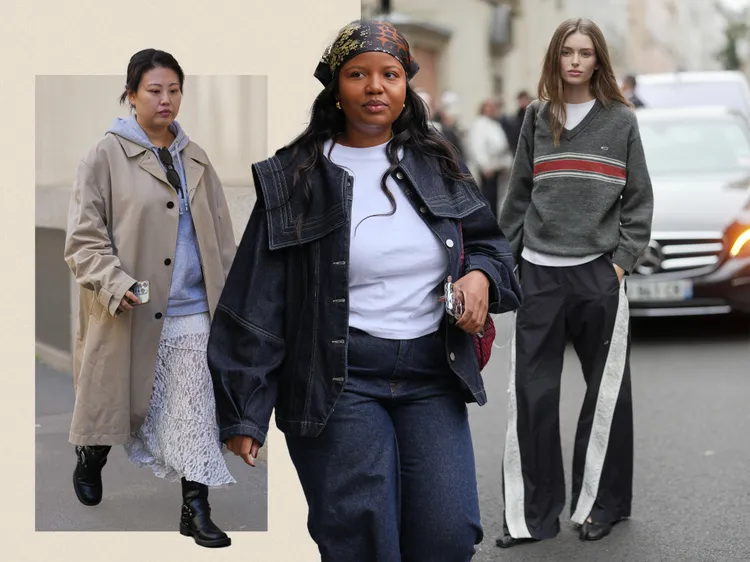
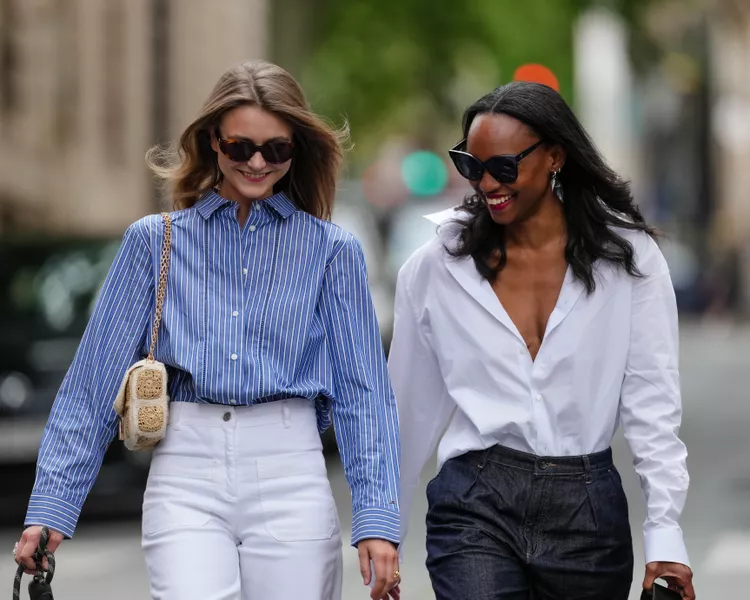
Fashion has finally stopped pretending that discomfort equals polish. The sharp, rigid look still has a place, but softer structure is what feels current and grown. You see it in wide-leg trousers that skim instead of grip, shirt dresses with body but not board-like stiffness, and jackets that hold shape without acting like armor.
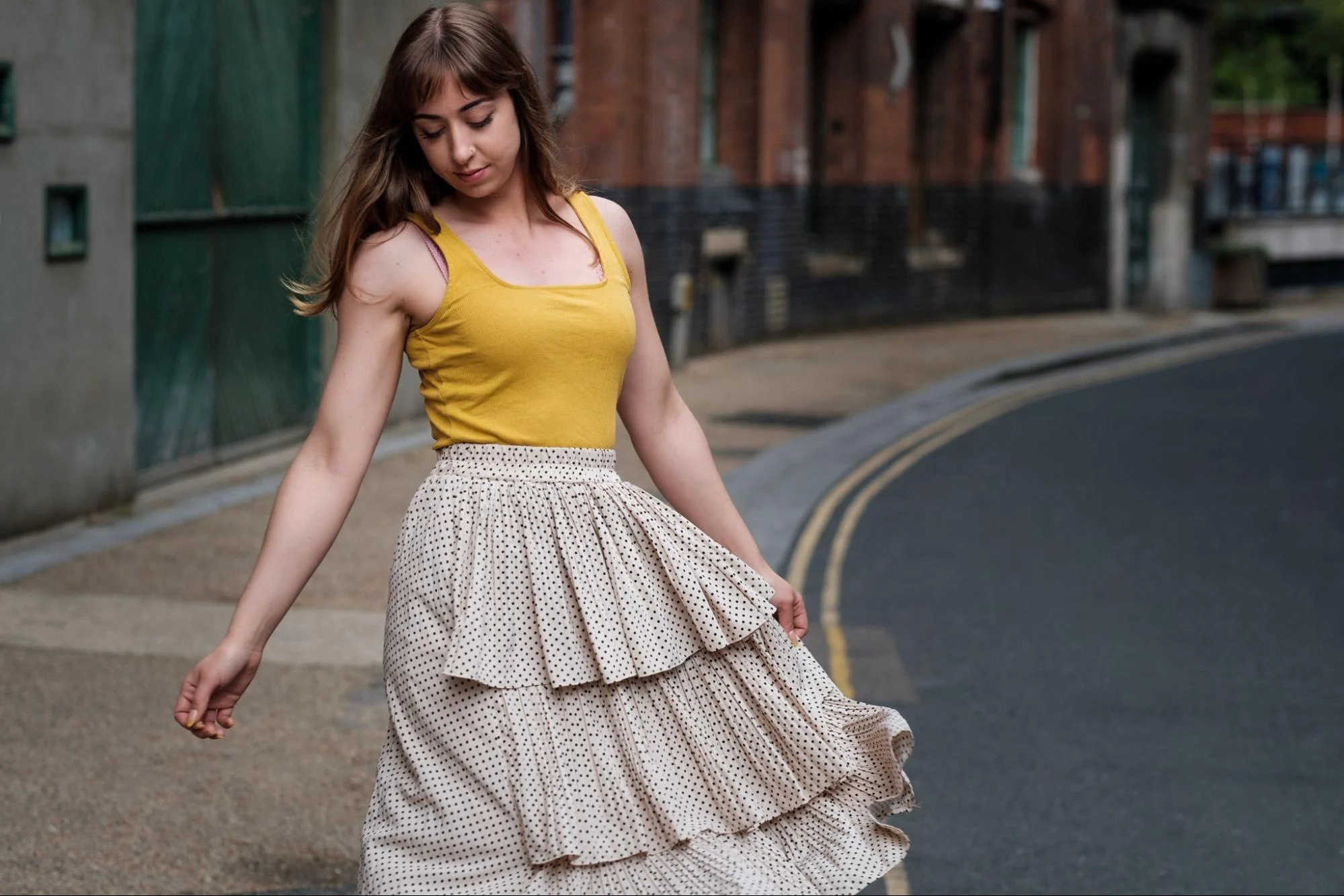
Women want clothes that move when they move. That sounds obvious, yet plenty of older trends ignored it. A dress can look neat on a hanger and still behave terribly once you sit down, walk fast, or deal with warm weather. Soft twill, brushed cotton, fluid linen blends, and washed poplin fix that problem without turning an outfit sloppy.
I noticed this shift in everyday workwear first. A friend swapped her stiff office shirts for softly woven cotton pieces with a little drape, and suddenly every outfit looked more relaxed and far more expensive. Same colors. Same style. Better fabric.
This trend also works because it hides effort. You look put together, but not trapped inside your outfit. That balance is hard to fake.
When fabric has gentle structure, it helps you wear simple cuts with more confidence. And that matters, because the next trend pushing wardrobes forward is not louder color. It is richer texture.
Texture Is Doing More Than Prints Right Now
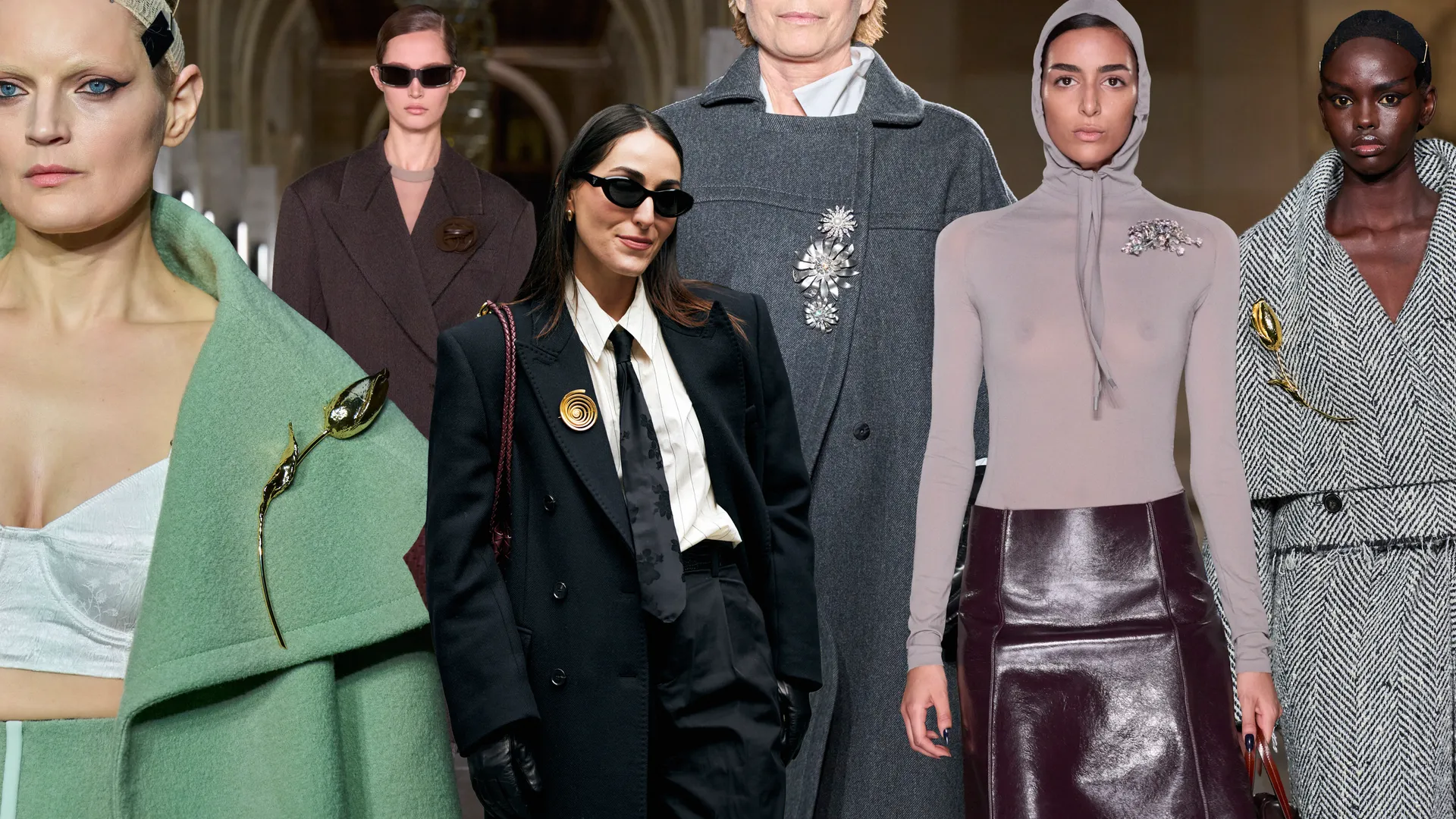
Prints still have charm, but texture is stealing the room. A matte crepe dress, a slub cotton co-ord, a lightly crinkled set, or a woven jacquard top says more than another busy pattern ever could. Texture gives clothes depth, and depth is what makes even neutral outfits feel alive.
This matters most when your wardrobe leans simple. If you wear black, cream, beige, navy, or soft earth tones, texture stops those shades from looking flat. A plain sand-colored outfit in two dull fabrics can feel sleepy. Put that same tone in ribbed knit and airy woven cotton, and suddenly the whole look has edge.
The smart part is that texture photographs well but also works in real life. That is rare. A shiny trend often looks dramatic online and cheap in daylight. Textured fabric usually does the opposite. It rewards a closer look.
One of the strongest examples is the rise of crushed finishes and lightly puckered cloth in summer dresses and matching sets. They travel better, wrinkle less obviously, and make casual outfits look intentional. No fuss. Just character.
If you care about style ideas for modern women fashion, start here before buying another statement piece. Texture turns quiet clothing into memorable clothing, which is why it has become such a strong force this season.
Breathable Blends Are Beating Pure Fantasy Fabrics
A lot of women have learned this the hard way: a beautiful fabric that makes you sweat, itch, or constantly adjust is not beautiful for long. Breathable blends are rising because they respect real life. Cotton-linen, Tencel-cotton, viscose-linen, and modal blends give you airflow, softness, and movement without the drama that some pure fabrics bring.
Pure linen looks gorgeous, but it wrinkles like it has a personal grudge. Pure synthetics can hold shape, but many trap heat and make long days miserable. Blends sit in the sensible middle, and for once, sensible is chic.
I think this shift says something bigger about fashion right now. Women are getting less interested in clothes that demand service. They want pieces that earn their space. A blended fabric that feels cool at noon and still looks decent at dinner earns that space fast.
This is where best fabric trends for fashion loving women becomes more than a phrase. It becomes a filter. When you shop with fabric performance in mind, you stop wasting money on garments that charm you for ten minutes and annoy you for six months.
Look at summer tailoring for proof. Lightweight blends now make trousers, vests, and midi skirts wearable outside air-conditioned fantasy land. That changes how often you reach for them, and frequency is the real test of style value.
Tactile Neutrals Are Replacing Loud, Disposable Trend Pieces
Color still matters, but the strongest wardrobes right now are built on tactile neutrals rather than one-season shades that flame out fast. Oat, stone, cocoa, olive, chalk, rust, and deep navy have more staying power when the fabric itself brings interest. That is the trick. The fabric carries the mood, so the color does not have to scream.
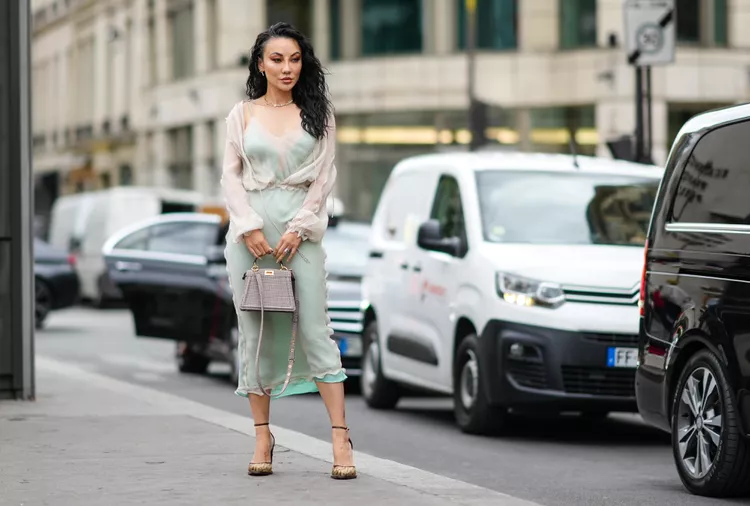
This is not boring dressing. It is mature dressing with range. A cocoa satin skirt feels different from a cocoa brushed knit. A stone linen shirt sends a different message than a stone crepe blouse. Same family, different energy.
Women who dress well for years tend to understand this early. They do not chase drama in every item. They build tension through contrast: dry texture against sheen, airy fabric against dense knit, crisp weave against soft drape. That is where taste shows up.
I saw this play out in a boutique last month. The brightest rack got attention first, but the women who actually bought pieces kept returning to textured neutrals. They touched the fabric, held it to the light, and picked the clothes that felt versatile rather than noisy. Smart move.
If your closet feels busy but somehow repetitive, fabric may be the missing fix. A better surface can refresh your wardrobe faster than another random color trend ever will.
Low-Maintenance Luxury Is the Trend That Will Stay
The most useful trend of all is this one: clothes that look elevated without acting precious. Women are tired of high-maintenance fashion pretending to be aspirational. Luxury now looks like washable silk-feel blends, knits that hold shape, denim with softness, and dresses that do not need a steaming ritual before every outing.
That change is healthy. Style should add pleasure, not chores.
Low-maintenance luxury works because modern life is messy. You move between rooms, roles, moods, and weather in a single day. Fabric that can keep up with that pace feels rich in a way logos never will. A soft tailored set that survives a commute says more than a fragile outfit that only works for seated events.
One counterintuitive truth stands out here: the best-looking wardrobe is often the easiest one to wear. Not because it is lazy, but because it is edited well. You buy fewer pieces, but each one behaves better. That creates the calm, expensive feel many women want and rarely find.
This is also where style ideas for modern women fashion get sharper. Instead of asking what is trendy, ask what fabric keeps its dignity after real use. That question saves money, closet space, and a lot of regret.
Fashion always changes. Fabric standards should not. Once you learn to spot easy luxury, your shopping habits get smarter for good.
Conclusion
Trends come and go, but fabric tells the truth faster than any label, price tag, or viral styling trick ever will. You can dress simply and still look striking when the cloth has movement, texture, breathability, and enough character to carry the outfit without begging for attention. That is the bigger lesson inside best fabric trends for fashion loving women. It is not about chasing novelty. It is about choosing materials that work with your body, your weather, and your actual day.
The women with the strongest style are rarely the ones wearing the loudest pieces. They are the ones who know what feels right on the skin, what falls cleanly on the body, and what still looks good after hours of wear. That kind of judgment is not fussy. It is powerful.
So the next time you shop, slow down and touch the garment before you admire the cut. Check how it bends, how it breathes, and how it catches light. Then build from there. Your wardrobe will look better, feel easier, and cost you less in bad decisions. Start with one fabric-first swap this week, and you will notice the difference almost immediately.
What are the best fabric trends for fashion loving women right now?
The strongest picks right now are breathable blends, textured weaves, soft tailoring fabrics, washed cottons, light knits, and fluid materials that move well. Women want polish without stiffness, and fabric is finally answering that demand.
Why do fabric trends matter more than color trends in women’s fashion?
Fabric changes how clothing feels, fits, photographs, and lasts. Color catches your eye first, but fabric decides whether you keep wearing the piece or shove it to the back of the closet.
Which fabric trend works best for hot weather and daily wear?
Cotton-linen blends and Tencel-based fabrics do the job best for many women. They feel cooler, drape better than cheap synthetics, and usually look fresh without needing constant fixing through the day.
Are textured fabrics better than printed fabrics for a modern wardrobe?
Often, yes. Texture gives depth without making outfits feel loud or dated too quickly. Prints can still work, but textured fabrics usually mix more easily with the rest of your wardrobe.
How can you tell if a fabric looks expensive or cheap?
Look at the surface, the drape, and the recovery. Good fabric has body, movement, and a cleaner finish. Cheap fabric often shines oddly, creases badly, or hangs without any grace.
What fabrics should fashion loving women avoid for everyday outfits?
You should be careful with overly stiff synthetics, thin clingy polyester, and fabrics that trap heat. They may look fine online, yet they often disappoint once you start living in them.
Do fabric blends last longer than pure fabrics?
They often do, especially when the blend solves a weakness in the original fiber. A smart blend can reduce wrinkling, improve softness, and make a garment easier to wear repeatedly.
Which fabric trends suit office wear without feeling boring?
Soft suiting fabrics, matte crepe, washed poplin, and refined knits work beautifully for office dressing. They keep structure where you need it, but they do not make you feel boxed in.
How do you shop fabric trends online without touching the item first?
Read the fabric composition closely, zoom into the texture, and check customer photos. I also suggest avoiding vague listings that hide the material details or rely on dramatic studio lighting.
Can neutral colors still feel fashionable when fabric is the focus?
Yes, and that is usually when they look strongest. Neutral shades gain depth through texture, weave, and finish, so they feel richer and more wearable than trend colors with weak fabric behind them.
What is the smartest first step if you want a fabric-first wardrobe?
Start by checking the pieces you already wear most. Notice their fabric content and feel. That pattern tells you more about your real style than any trend report ever will.
How often should you update your wardrobe based on fabric trends?
You do not need a full overhaul every season. Add a few smarter pieces when you spot a gap, then keep refining. Good fabric choices age better than trend-heavy impulse buys.