Fresh Fabric Styling Ideas for Effortless Fashion
Getting dressed should not feel like solving a tax problem before coffee. Yet plenty of wardrobes are full of good clothes that somehow create flat, tired outfits, and that gap usually has less to do with money than with fabric styling ideas. When you understand how cloth behaves on the body, how it catches light, and how it changes the mood of a look, your wardrobe stops fighting you and starts working like it has some sense.
That shift matters because style is rarely about owning more. It is about seeing more in what you already own. A plain cotton shirt can read crisp, relaxed, or quietly polished depending on what sits beside it. A satin skirt can look elegant or awkward based on weight, balance, and the way the rest of the outfit speaks to it. Texture does a lot of the talking.
You do not need a fashion degree for this. You need sharper eyes, a little honesty, and a willingness to stop buying pieces that only look good on hangers. The smartest dressers I know are not the ones chasing every new drop. They are the ones who know when linen should wrinkle, when denim should hold its shape, and when softness makes an outfit feel human instead of overworked.
Why Fabric Styling Ideas Change the Way You Dress
Most people blame fit when an outfit falls flat, but fabric often causes the real problem. The cut may be fine, the color may suit you, yet the whole look still feels slightly off because the materials are pulling in different directions. A stiff blazer over a limp dress can make your body look boxed in. A shiny top beside cheap-looking stretch pants can flatten the whole thing. Cloth carries attitude before you say a word.
That is why smart styling starts with touch as much as sight. A brushed knit feels gentle and close. Crisp poplin feels alert and put together. Worn denim feels steady, almost dependable. Once you notice that emotional signal, you stop pairing items by category alone and start pairing them by energy. The result looks more natural because it is built from sensation, not just labels on a shopping site.
A friend of mine wore the same black trousers to work for years and kept calling them boring. They were not boring. They were smooth, tailored, and quietly sharp, but she kept combining them with flimsy tops that made the outfit lose all authority. One thicker ribbed top later, the trousers suddenly looked expensive. Same pants. Better fabric conversation.
Start by Reading Texture Before Color
Texture should be the first thing you notice, even before you start obsessing over shade. Color catches the eye fast, but texture keeps the outfit believable. You can wear head-to-toe beige and still look striking if the surfaces shift from dry linen to soft knit to polished leather. Without that change, the look goes dull in seconds.
Your hand can usually tell the truth before your mirror does. Run your fingers over a piece and ask simple questions. Does it hold shape or collapse? Does it reflect light or absorb it? Does it look cleaner when pressed or better when relaxed? Those answers tell you where it belongs in an outfit and what kind of partner it needs.
This is where many rushed outfits go wrong. People build around color stories and forget material tension. Then they wonder why the result feels costume-like. A cream silk blouse with heavy raw denim can feel modern because the surfaces push against each other in a pleasing way. A cream silk blouse with glossy polyester trousers often just looks slippery. Close, but not quite right.
Build Outfits Around Feel, Not Just Category
Most closets are organized by item type: shirts with shirts, skirts with skirts, jackets with jackets. That makes storage easier, but it can make styling lazy. A better habit is to think in sensations. Start with one piece that feels grounded, airy, plush, clean, or structured, then build around that mood until the whole outfit speaks the same language.
Take a soft heather-gray sweatshirt. You can drag it down with lifeless leggings, or you can sharpen it with a crisp white poplin skirt and sturdy sneakers. The sweatshirt still feels casual, but now it has shape around it. That tiny switch turns a default outfit into one that looks considered without looking fussy. Big difference.
This is also where smart fashion storytelling becomes useful in the way you present your look to the world. You are not dressing to impress strangers at random. You are shaping a visual message through feel, weight, and contrast. Once you dress that way, shopping gets calmer because you know what role a new piece needs to play.
How to Mix Soft, Structured, and Fluid Pieces Without Looking Overdone
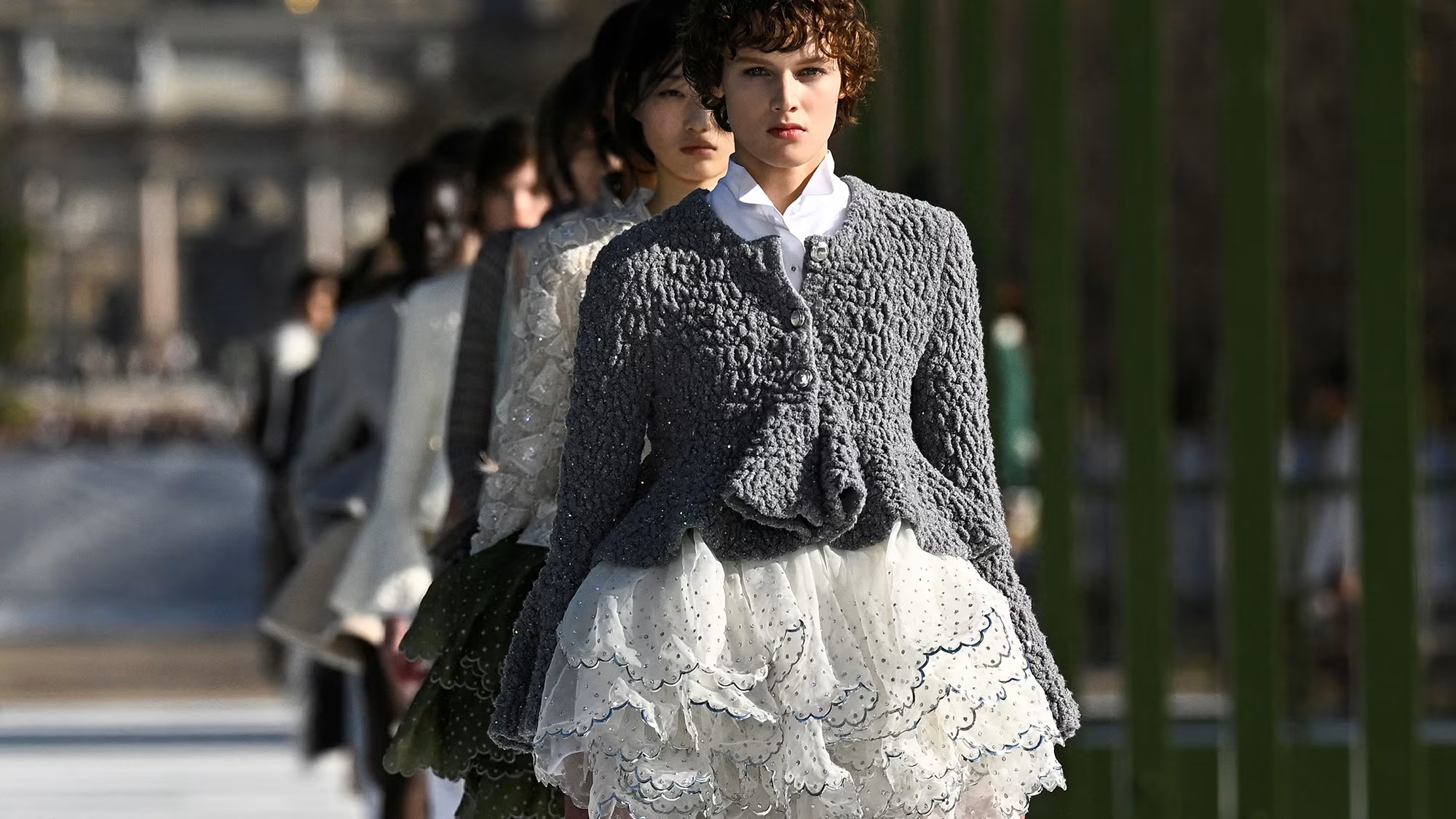
The best outfits usually contain a little argument. Not a loud one. Just enough tension to keep the look alive. When every piece is soft, you can drift into sleepy territory. When every piece is rigid, you can look armored. The sweet spot comes from letting one fabric lead while the others support, soften, or sharpen it.
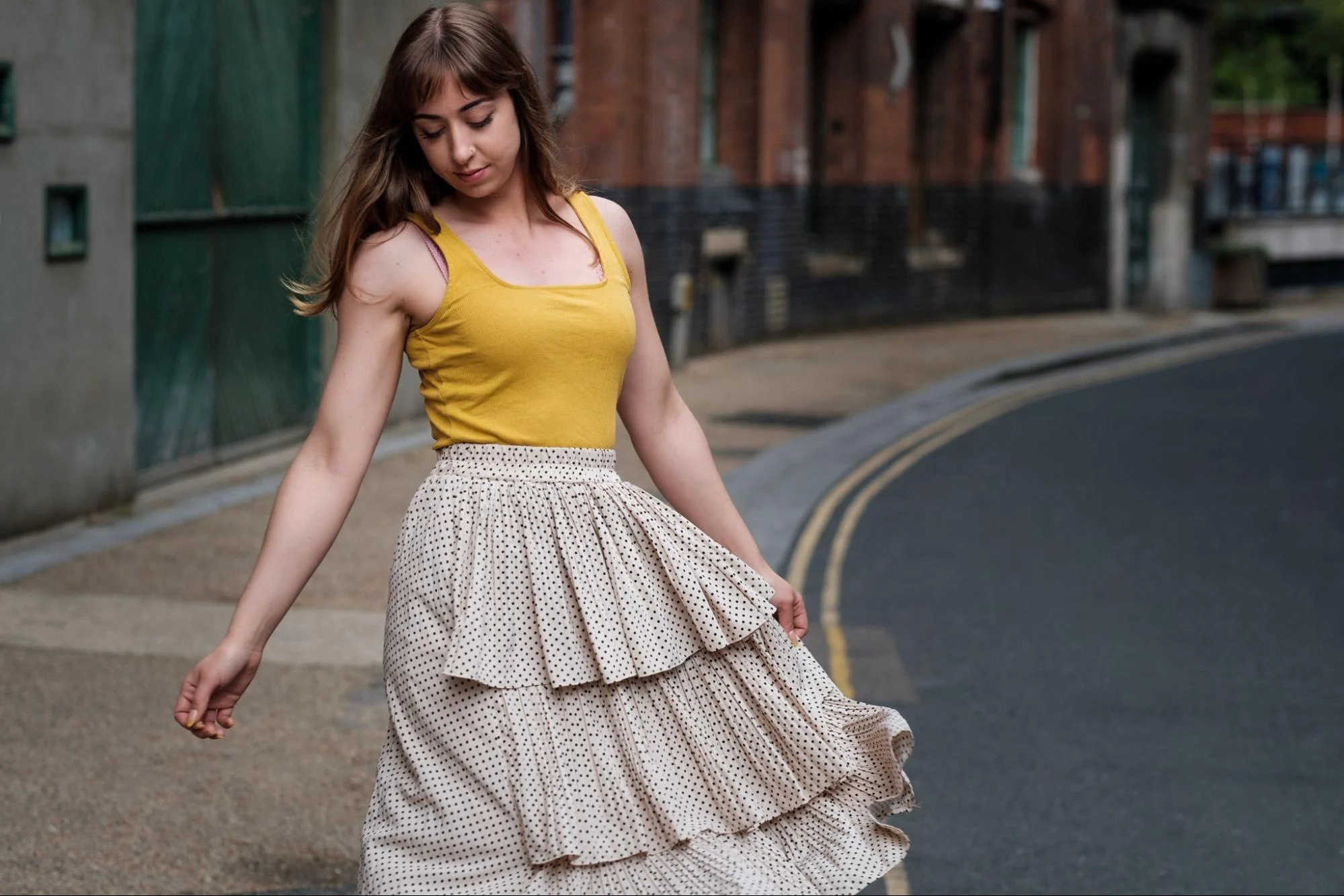
This is where balance beats trend chasing every single time. A fluid slip skirt needs something that can ground it. A boxy canvas jacket often needs something supple underneath. You are not trying to make every outfit dramatic. You are trying to stop it from feeling one-note. Flat wardrobes come from too much agreement.
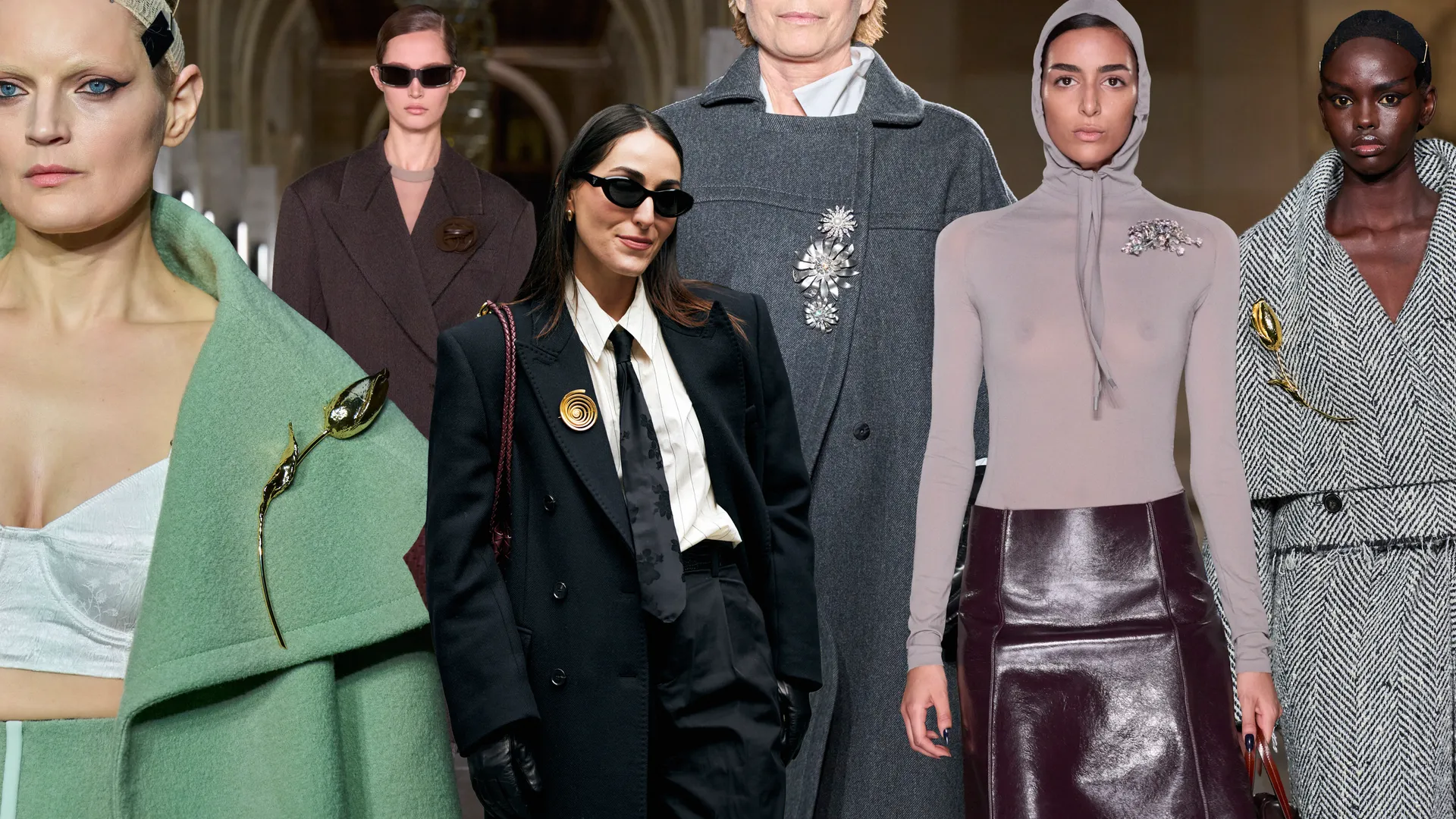
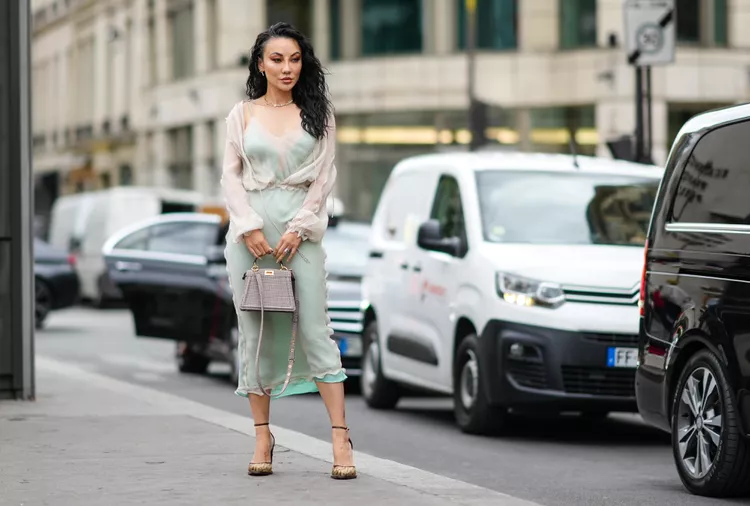
Real style shows up in those tiny negotiations. The woman wearing a silk dress with a washed leather jacket usually looks more current than the woman wearing a full set straight off a mannequin. Why? Because contrast creates life. Life reads better than perfection ever will.
Pair Soft Fabrics with Something That Has Backbone
Soft fabrics invite comfort, but they also risk looking shapeless if you let them run the whole outfit. Jersey, brushed knits, cashmere blends, and washed rayon all have movement and ease, which is lovely until the silhouette starts to disappear. The fix is simple: give them one piece with edge, line, or weight.
A slouchy knit dress, for example, gets better when you add a sharp boot and a structured crossbody bag. That does not make it less comfortable. It gives the softness a frame. The same idea works with wide-leg knit pants and a cropped denim jacket, or a draped blouse tucked into trousers with a real waistband instead of a limp elastic one.
I learned this the hard way after wearing an all-soft airport outfit that looked cozy at home and exhausted in public. The fabrics were not bad. They just had no counterpoint. Since then, I never trust softness on softness on softness unless one item has shape built in. Comfort is great. Drift is not.
Let Structured Pieces Breathe with Movement
Structured fabrics carry authority, but too much of that can make you look like you are dressed for a board meeting in your own kitchen. Denim, canvas, twill, crisp cotton, and firm wool all bring line and presence. They do their job well. The trouble starts when every piece is trying to stand at attention.
The easiest fix is to bring in a fluid or relaxed partner. Think stiff straight-leg jeans with a draped tee, or a tailored blazer with a satin cami and easy trousers. The structure still gives polish, but the movement keeps the outfit from looking rehearsed. You want confidence, not costume.
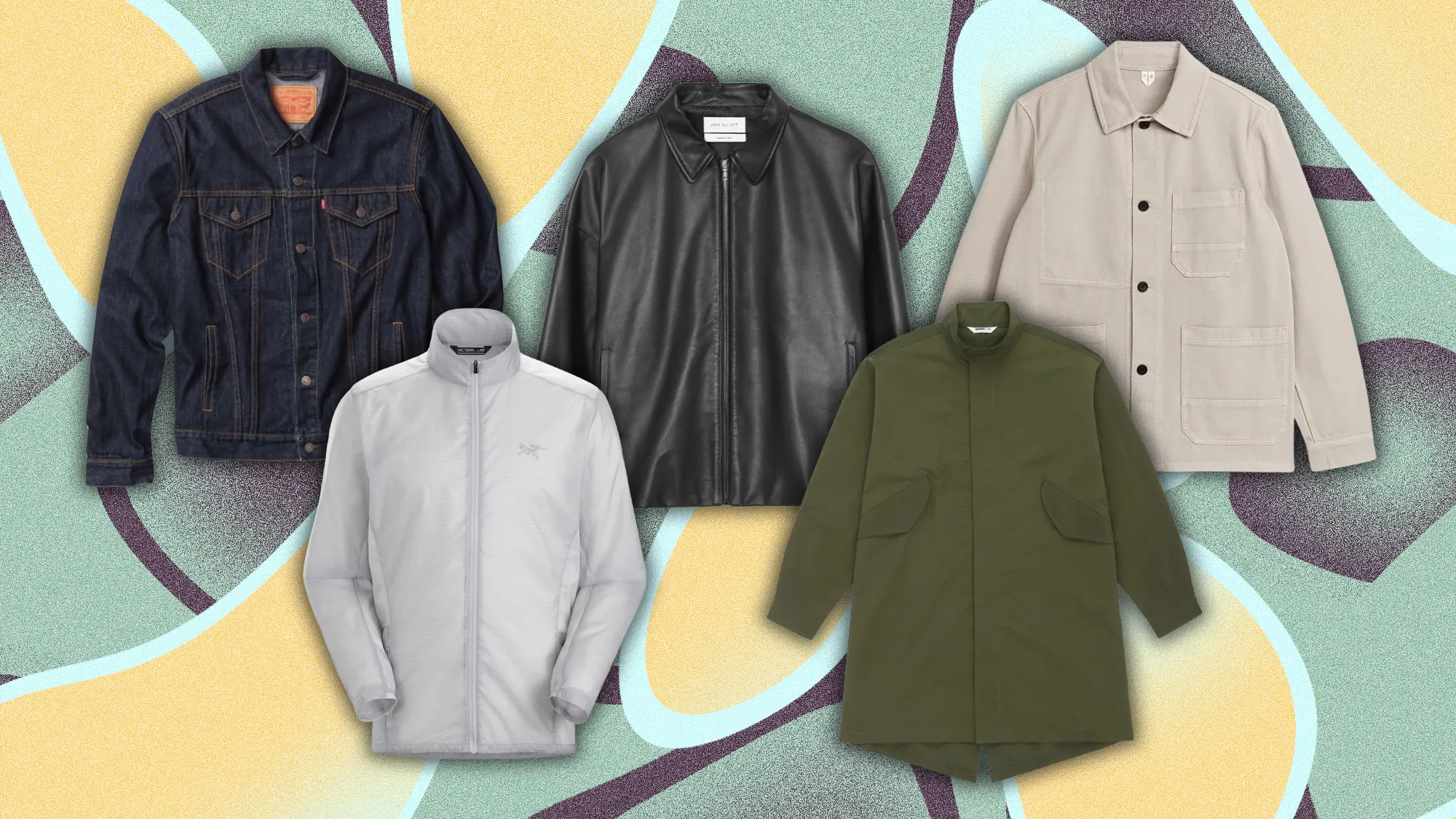
A good example is the rise of chore jackets in everyday dressing. On paper, they sound practical to the point of boredom. In real life, they look fantastic when paired with a soft dress or a loose tank and slip skirt. The jacket says, “I know what I’m doing.” The softer piece says, “I’m still a person.” That mix lands.
Fresh Fabric Styling Ideas for Everyday Outfits That Actually Work
You do not need special occasions to dress with more intention. In fact, everyday outfits are where fabric matters most because that is where lazy habits show up. When you reach for the same formula every morning, texture either saves the look or exposes how little thought went into it. That sounds harsh. It is also true.
The good news is that ordinary pieces carry more styling potential than people give them credit for. A white tee can feel sporty, neat, sensual, or sharp depending on whether it is crisp cotton, slub cotton, fine rib, or dense heavyweight jersey. Fabric changes the role of the piece without changing the category at all.
This is why the best closet upgrades often look boring on a receipt. A better tank. A denser cardigan. Denim with honest weight. Trousers that drape instead of bunch. You feel the difference before anyone compliments you, and that is usually the moment your wardrobe starts improving for real.
Make Casual Clothes Look Intentional Through Material Contrast
Casual dressing gets dismissed as easy, but that is exactly why it often looks lazy. Sweatshirts, jeans, tees, and sneakers can either feel sharp or stale depending on how their fabrics play together. If every surface has the same visual volume, the outfit can read like you got dressed in the dark.
One simple fix is to combine a matte piece with something cleaner or slightly polished. A washed tee with crisp trousers works. A fleece pullover with smooth nylon pants can work too, especially when the proportions stay clean. The point is not to be fancy. The point is to create contrast that wakes the look up.
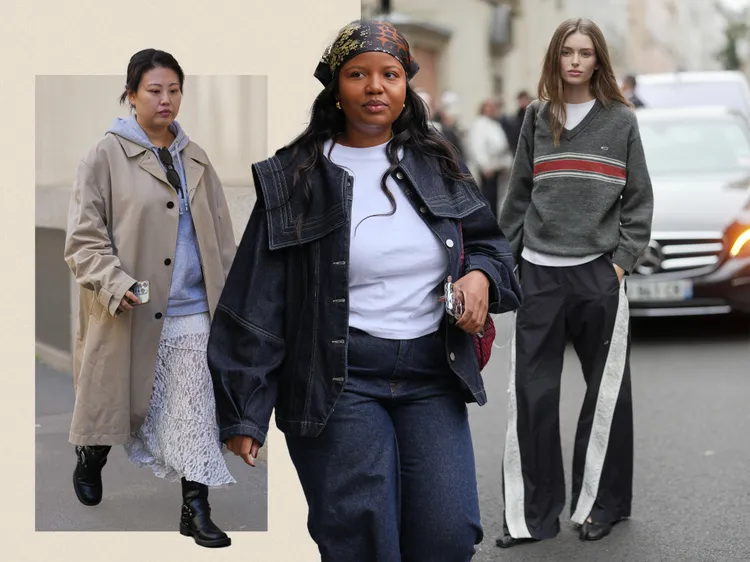
You see this in city style all the time, even when people pretend they are not trying. Someone throws on vintage denim, a plain white tank, and a sleek leather belt, and suddenly the outfit feels finished. That finish comes from material variety. effortless fashion rarely looks effortless by accident.
Turn Basic Layering Into Something Memorable
Layering is not about piling on clothes until you cannot bend your arms. It is about building depth that the eye enjoys following. When all the layers sit at the same weight, the outfit can look bulky. When the layers step from thin to midweight to outer structure, everything feels more intentional.
Start with a close base, then add a fabric that changes the surface. A rib tank under a loose oxford shirt already gives you more interest than two flat cotton pieces of equal weight. Throw a dry trench or a textured knit over that, and the outfit starts to carry rhythm. Not noise. Rhythm.
This matters even more in transitional weather, when people often default to random layering out of panic. The trick is to let one piece breathe while another piece defines the silhouette. Think soft hoodie under a clean coat, or thin turtleneck under a sturdy overshirt. That is how basic clothes stop looking accidental and start looking owned.
Use Shine in Small Doses So It Feels Modern
Shiny fabrics have a reputation problem because people either fear them or overuse them. Satin, coated denim, silk blends, and glossy nylon can look rich, but only when they are given room to stand out. If too many reflective surfaces show up at once, the outfit starts shouting before you even enter the room.
The smartest move is restraint. A satin skirt with a plain knit sweater looks current because the shine has somewhere calm to land. A glossy bomber jacket over matte trousers does the same thing. The shine becomes the spark, not the entire bonfire. That balance keeps the outfit adult.
I also think people underrate shine during daytime. They save it for evening, then wonder why their daily wardrobe feels sleepy. A little light-catching texture can wake up a look at lunch, on a commute, or during errands. Used well, it does not feel dressy. It feels awake.
The Fabrics Worth Buying More Carefully and the Ones That Fool You
Not every fabric deserves equal trust. Some materials wear beautifully, age with character, and make styling easier over time. Others look promising for ten minutes, then wrinkle badly, pill fast, trap heat, or hang in a way that makes even a nice design feel cheap. You learn this after enough bad purchases. Or enough dressing-room regret.
That does not mean expensive always wins. It means honest fabric usually wins. A good cotton poplin shirt from a modest brand can outperform a flashy synthetic blouse that looked glamorous under store lighting. The real test shows up after wear, washing, and movement. Clothes live on bodies, not mannequins.
You get better at spotting this with practice. Listen for rustle, check recovery after a squeeze, and notice whether the fabric has body without stiffness. Cheap-looking cloth often gives itself away fast when you slow down. The problem is that many people shop in a rush, then blame themselves instead of the material.
Buy for Drape, Recovery, and Wear, Not Just First Impressions
The first impression of a garment can be wildly misleading. Store mirrors flatter, lighting lies, and a trendy cut can distract you from fabric that will betray you later. You need to ask three tougher questions: how does it fall, how does it bounce back, and how will it behave after a real day of use?
Drape tells you whether the cloth works with the design. A skirt meant to skim should not stand out like cardboard. Recovery tells you whether elbows, knees, or seat areas will sag after an hour. Wear tells you if the texture will still charm you after friction, weather, and washing do their thing. Those are adult questions. Ask them.
I once bought a beautiful wide-leg pair of trousers that looked magnificent for seven minutes. Then the seat bagged out, the hem twisted, and the shine under daylight turned them into disappointment with pockets. Since then, I test every fabric with a small scrunch in my hand. If it comes back looking tired, I move on.
Learn Which “Nice” Fabrics Quietly Make Dressing Harder
Some fabrics sound luxurious but create daily headaches. Pure linen looks fantastic and feels airy, yet it asks you to accept wrinkling as part of the charm. Many people say they do. Fewer actually do once the crease hits hard by noon. That does not make linen bad. It makes it a fabric that needs honesty.
Likewise, ultra-thin knits can look elegant online and cling in all the wrong ways in real life. Cheap satin can snag on nearly everything and show every line underneath. Very stretchy blends often lose shape faster than you expect, which means the piece that felt flattering in month one can look defeated by month four.
The point is not to avoid tricky materials forever. It is to know their terms before you buy. If a fabric needs steaming, careful storage, or very precise styling to look its best, treat it like a deliberate choice instead of a casual staple. That single shift saves money, closet space, and quite a lot of annoyance.
Style Confidence Comes from Repeating What Works, Not Chasing Novelty
Once you understand fabric, you stop treating style like a fresh emergency every season. You begin to notice patterns in what makes you feel sharp, relaxed, grounded, or bold. That is where real confidence begins. Not in constant reinvention, but in refined repetition with a little curiosity built into it.
The most stylish people rarely dress from scratch each day. They return to a handful of material combinations that flatter them, then adjust with small twists. Maybe it is crisp shirt plus washed denim. Maybe it is soft knit plus tailored trouser. Maybe it is fluid dress plus weathered jacket. They know their language and speak it well.
That is a relief, honestly. You do not need endless inspiration if you have reliable formulas. The trick is to let those formulas evolve with your life rather than fossilize into habits that no longer fit who you are or how you move through the day.
Keep a Few Fabric Formulas You Can Trust Blindly
A reliable wardrobe runs on repeatable combinations, not endless random genius. When you know that a ribbed tank, relaxed trousers, and a dry cotton overshirt always work on you, mornings get easier. The outfit still looks fresh because the formula is strong enough to handle small variations.
These formulas should match your actual life. If you commute, choose materials that recover well and hold shape through movement. If your days swing between home, errands, and dinner, lean on combinations that can tilt casual or polished with one switch. Style should help your life breathe, not interrupt it.
My own rule is simple: keep one base soft, one piece grounded, and one surface interesting. That formula works across seasons with scary consistency. It also protects me from buying random pieces that do not fit any real outfit. If a new item cannot join a trusted formula, it stays in the store.
Let Personal Taste Beat Trend Pressure
Trend cycles move fast because that is how they make money, not because your closet actually needs a weekly identity crisis. Fabric helps you resist that pressure because it pulls your attention back to what feels good, wears well, and supports the version of you that exists off-camera. That is where style gets personal.
You may love brushed cotton, raw denim, crisp shirting, and soft wool, while someone else looks fantastic in slick jersey and liquid satin. Fine. Style is not a democracy. The point is not to dress like everyone agrees with you. The point is to make choices that feel convincing on your body and in your real life.
That is why the best wardrobes age well. They are built on self-knowledge, not panic. When you know the textures that make you stand taller or feel more at ease, you stop being seduced by every shiny thing that lands in your feed. Taste becomes quieter. And much stronger.
Fresh fabric styling ideas are not about turning your closet into a fashion lab. They are about seeing the truth in what you wear and making smarter choices from there. When you understand how weight, texture, drape, and contrast shape a look, getting dressed stops being random and starts feeling intentional in the best way. You buy less nonsense, style what you own with more confidence, and stop mistaking novelty for personal taste.
That shift changes more than outfits. It changes the way you move through your day. You waste less time second-guessing, you feel more at home in your clothes, and you start trusting your own eye instead of every trend alert screaming for attention. That is worth a lot more than another impulsive purchase that only looked good under store lights.
effortless fashion has never really been about doing less. It has been about knowing what matters and ignoring what does not. So take one honest look at your wardrobe this week. Touch the fabrics. Try new pairings. Keep what earns its place. Then build from there with a sharper eye and a little nerve. Your next great outfit is probably already hanging in your closet, waiting for you to style it better.
What are the best fabric styling ideas for making basic outfits look expensive?
The smartest move is mixing texture with purpose. Pair matte and polished pieces, add one structured item, and avoid limp fabrics that collapse on the body. Expensive-looking outfits usually come from balance, clean drape, and strong material contrast, not flashy labels.
How do I mix different fabric textures in one outfit without clashing?
Start with one dominant texture, then add two supporting ones that shift weight or shine. Keep the color palette calm while the surfaces do the work. When texture changes feel intentional, the outfit looks layered, modern, and much more confident.
Which fabrics make casual clothes look more polished in daily wear?
Dense cotton, crisp poplin, quality denim, soft wool blends, and smooth twill usually make casual outfits feel sharper. These fabrics hold shape better, catch light in a cleaner way, and give everyday pieces enough structure to look considered, not sleepy.
Why do some outfits fit well but still look awkward on the body?
Fit is only half the story. Awkward outfits often fail because the fabrics fight each other through weight, shine, stiffness, or drape. When materials send mixed signals, the body looks unsettled even if every piece technically fits just fine.
How can I style soft fabrics without looking sloppy or oversized?
Anchor soft pieces with something firm. Add a structured jacket, sharper shoe, defined waistband, or sturdy bag to frame the softness. That contrast keeps the comfort while giving the outfit shape, which stops it from drifting into tired, shapeless territory.
Is satin good for daytime outfits or only for evening fashion?
Satin works beautifully in daylight when you treat it with restraint. Pair it with matte knits, washed denim, or clean cotton pieces so the shine feels balanced. One satin item can wake up a daytime outfit without making it feel overdressed.
What should I check before buying clothes based on fabric quality?
Check drape, recovery, thickness, breathability, and surface finish before you buy. Scrunch the fabric lightly, watch how it falls, and imagine wearing it for eight hours. If it already looks tired in the fitting room, it will not improve later.
How do I build a wardrobe around effortless fashion instead of fast trends?
Build around repeatable fabric combinations that suit your real life. Choose materials you trust, notice what makes you feel sharp, and buy only pieces that fit those formulas. Trend pressure fades when your wardrobe already has rhythm, texture, and purpose