Smart Fabric Styling Tips for Modern Fashion
Great style rarely starts with color. It starts with fabric. You can wear the right cut, the right shoes, and the right bag, then watch the whole outfit fall flat because the material looks cheap, stiff, or tired by noon. That is why Smart Fabric Styling Tips for Modern Fashion matter more than most people think.
You do not need a bigger wardrobe. You need better judgment. Fabric changes how a dress moves, how trousers sit, how a shirt catches light, and how confident you feel when you walk into a room. A crisp cotton poplin shirt speaks differently than limp polyester, and your body knows it before your brain does.
I learned this the expensive way after buying trendy pieces that looked great on a hanger and miserable after one wear. The fix was not more shopping. It was smarter shopping. Once you start paying attention to texture, drape, weight, and season, your outfits get sharper without becoming fussy. That is the sweet spot.
For a quick pulse on fabric care symbols, the Textile Exchange is a useful outside reference and worth bookmarking.
Stop Buying Clothes That Fight Your Body
Fit gets all the glory, but fabric decides whether fit can even do its job. A blazer made from a stiff cloth can make your shoulders look boxed in. A fluid crepe blouse can soften the same frame in seconds. The body is not the problem nearly as often as the fabric is.
Weight matters first. Thick fabrics hold shape and create structure, which works well for tailored trousers, outerwear, and skirts that need presence. Light fabrics move more, skim more, and reveal more. That can feel elegant or annoying depending on the cut. You want intention, not surprise.
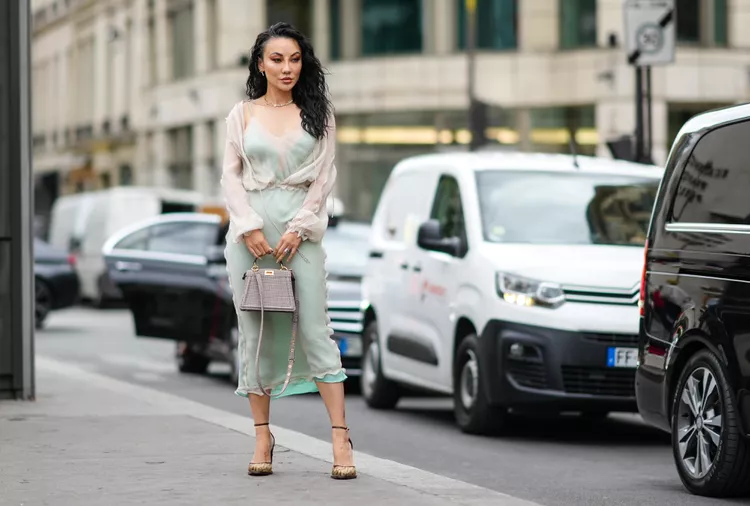
Texture matters next. Smooth satin catches every bit of light, so it makes a simple slip skirt look dressed up fast. Brushed cotton, slub linen, and soft knits feel easier and more grounded. That contrast is useful when your outfit feels too polished or too plain.
I once saw two women wear nearly the same black shirt dress to an event. One looked sharp, the other looked half-ready. The difference was not the design. One dress had body. The other looked like it gave up on the taxi ride over.
You should try clothes in motion, not just in a mirror. Sit down. Walk. Lift your arms. Twist. Fabric tells the truth when you move.
Smart Fabric Styling Tips for Modern Fashion That Actually Work
Most style advice gets cute and useless very fast. Real outfits need to survive heat, long commutes, bad lighting, and the mood swings of your own closet. That is where Smart Fabric Styling Tips for Modern Fashion earn their keep.
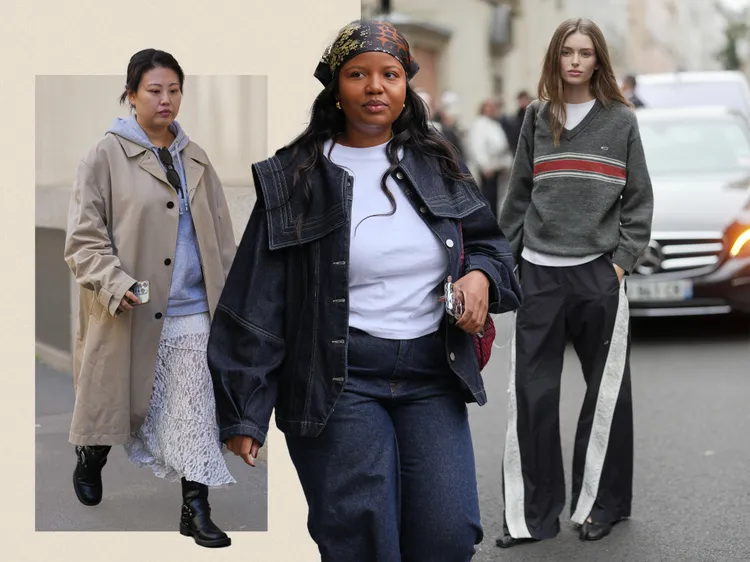
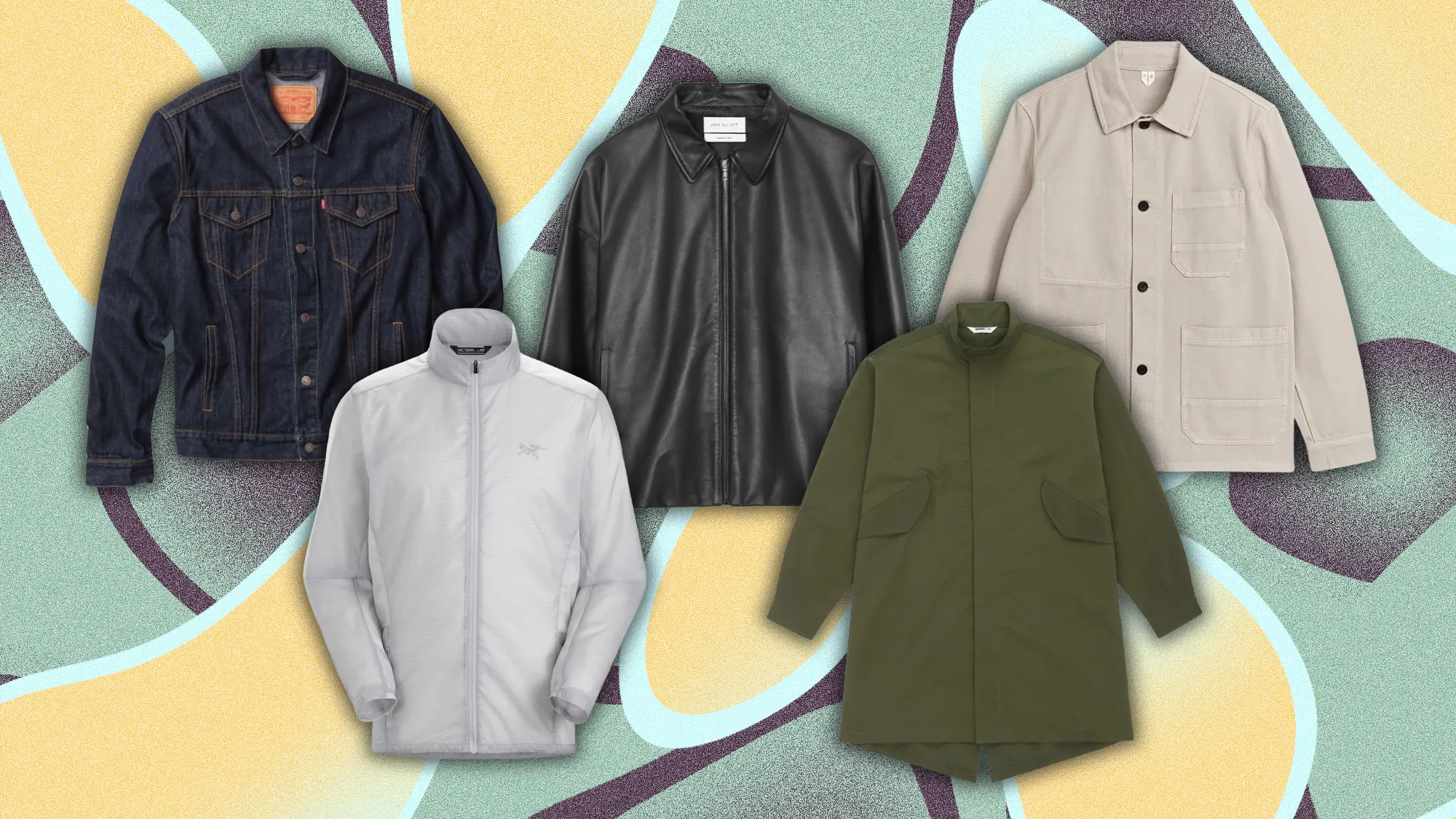
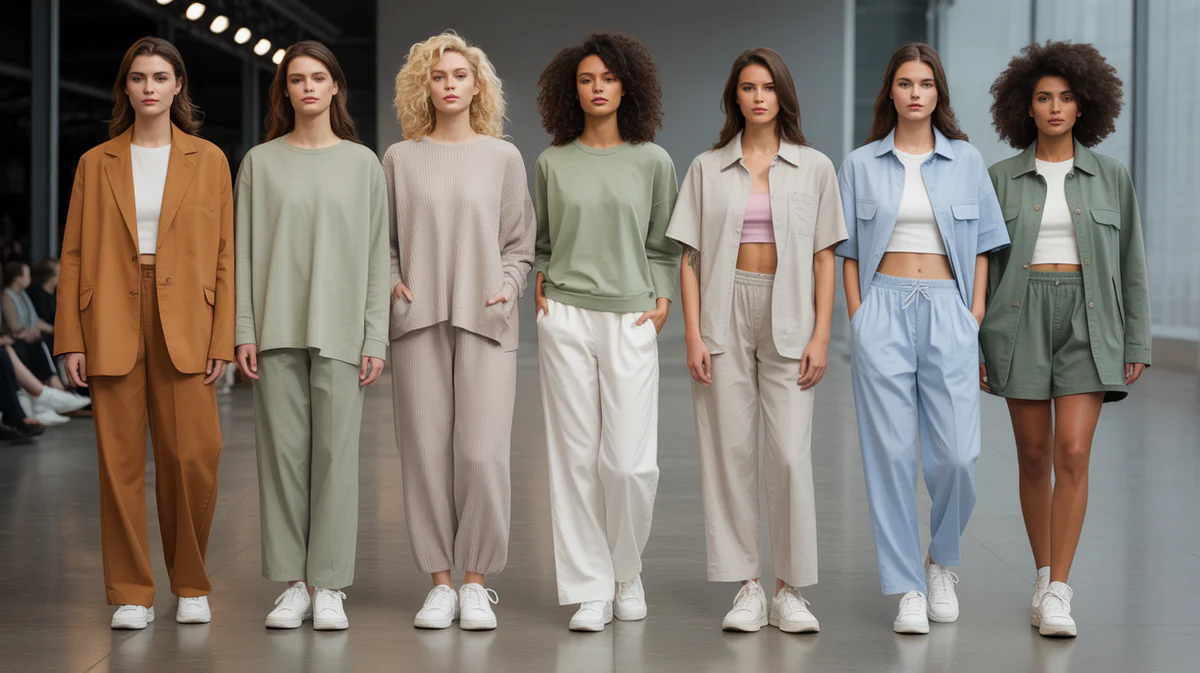
Start by pairing opposites. Structured fabric with something soft almost always looks better than matching everything to the same mood. A firm denim jacket over a silky dress has tension. A ribbed knit top with wide linen trousers feels thoughtful without trying too hard. Contrast makes outfits memorable.
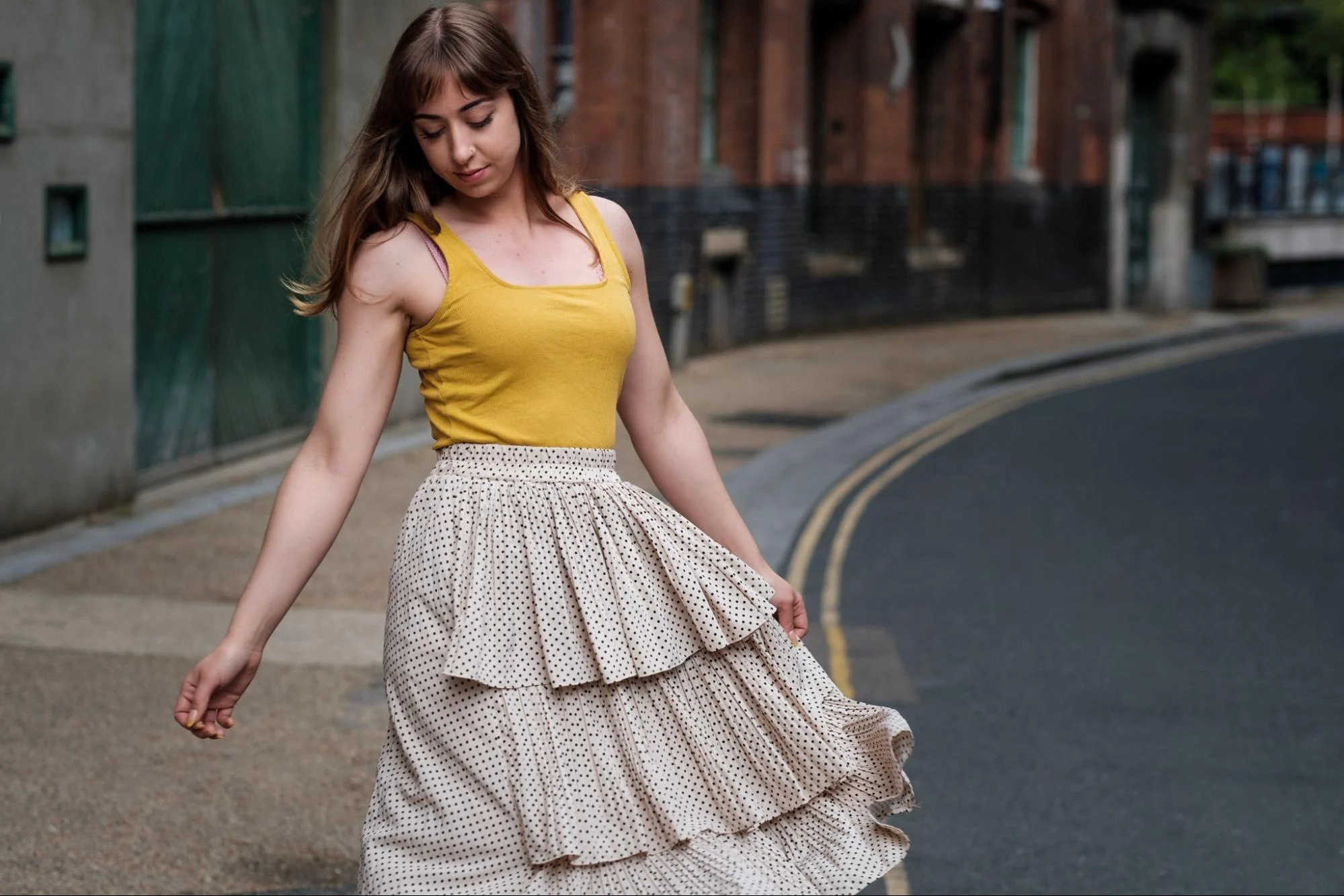
Then pay attention to drape. Fabrics that fall close to the body create ease, while fabrics that stand away from it create shape. Neither is better. The trick is knowing what your outfit needs that day. If your trousers are wide and crisp, a top with softer movement often balances them better than another rigid piece.
Surface finish also changes the story. Matte fabrics look calm and expensive when styled well. Shiny fabrics attract attention fast, so they need restraint around them. One gleam is chic. Three become noise.
Color behaves differently across materials too. Cream in wool looks rich. Cream in thin jersey can look tired. Black in washed linen feels artsy. Black in dense cotton twill feels clean and sharp. Same color, different attitude.
You do not need more trends. You need a better eye for tension, balance, and feel.
Dress for Weather, Not Fantasy
A lot of bad outfits happen because people dress for a mood board instead of real life. That dreamy layered look collapses fast when the fabric traps heat, clings in humidity, or wrinkles before lunch. Style should live in the same climate as you do.
Hot weather demands breathability, but not every light fabric is your friend. Linen breathes well and looks better a little rumpled, which is part of its charm. Cheap synthetic blends can feel like wearing a plastic apology. Cotton poplin stays crisp, while gauzy cotton feels softer and more relaxed. Pick the mood first, then the fabric that supports it.
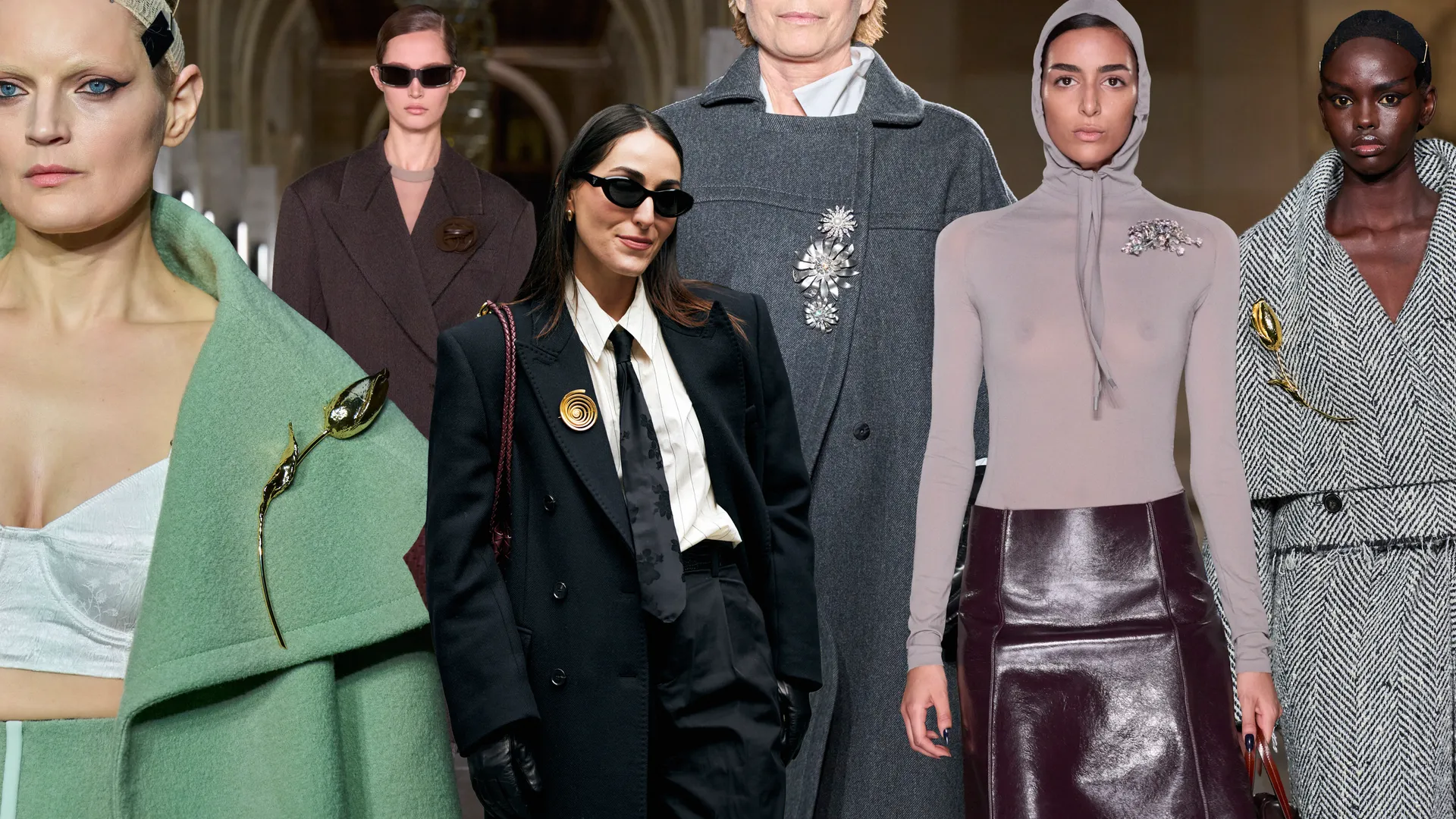
Cold weather needs more than thickness. You want insulation and texture. Wool, brushed flannel, and heavier knits create visual depth that makes winter dressing less dull. A fine knit under a thick coat works because the fabric contrast keeps the look from turning bulky.
Rainy days need pragmatism. Water-resistant outer layers, dense weaves, and shoes that can handle a wet pavement matter more than a perfect color story. Fashion gets humbled by weather very quickly. I respect clothes more when they can survive a real Tuesday.
This is also where modern women fashion often goes wrong online. Many outfits are photographed for ten dry minutes, then sold like they belong to daily life. You live in daily life. Dress for that.
Mix Expensive-Looking and Easygoing Fabrics
The fastest way to make an outfit look flat is to keep every fabric at the same level of formality. When everything is soft, the look can drift into lazy. When everything is sharp, it can feel stiff. The magic sits in the mix.
A polished fabric needs a counterweight. Satin with denim works because one side brings gloss and the other brings grit. A tailored wool pant with a washed cotton tee feels modern because it respects both polish and ease. That tension makes people think you know what you are doing, even if you got dressed in twelve minutes.
Casual fabrics also benefit from a little discipline. Jersey dresses look better with a leather belt or a clean bag. Linen shirts gain authority when paired with structured earrings or straight-leg trousers. You are not dressing up the fabric so much as giving it direction.
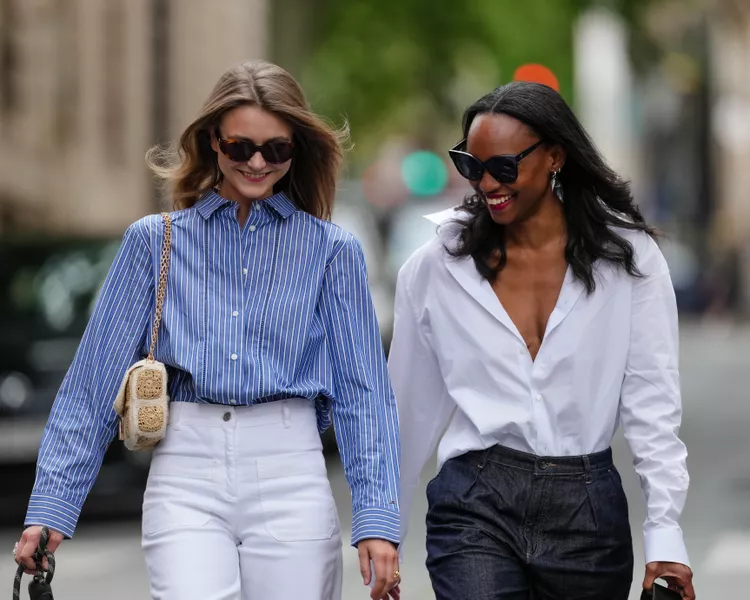
One of my favorite real-life examples is the white tank, dark pleated trousers, and lightweight cardigan formula. It sounds plain. It is not. The tank keeps it direct, the trousers add shape, and the cardigan softens the edges. Fabric does the heavy lifting while the silhouette stays simple.
That is the part many people miss. Taste often looks quiet from a distance. Up close, it is fabric doing clever work.
Build a Wardrobe That Ages Well
Trends move fast, but fabric tells you whether a piece has any future. If the material pills, twists, goes shiny in the wrong places, or loses shape after two washes, it was never a smart buy. No styling trick saves tired cloth.
You should build around fabrics that can take repetition. Mid-weight cotton, quality denim, soft wool blends, sturdy knits, and good linen earn their place because they live well. They do not need to scream for attention. They just keep showing up and looking right.
Care matters more than people admit. Wash less when possible, steam instead of overwashing, and hang or fold items based on how the fabric behaves. Knitwear hates bad storage. Linen forgives a lot. Satin remembers everything. Clothes are not delicate flowers, but they do react to neglect.
Price can help, but it is not a guarantee. I have seen expensive garments with miserable fabric choices and modest pieces that held up beautifully. Read labels. Touch fabric. Check seams. Rub the material between your fingers. It sounds old-school because it is. It also works.
That mindset makes modern women fashion feel less frantic. You stop chasing outfits and start building one reliable, good-looking decision at a time.
Conclusion
The smartest wardrobes do not begin with trend reports or frantic late-night shopping carts. They begin with better fabric choices and sharper instincts. Once you understand how a material moves, breathes, holds shape, and reacts to your actual life, getting dressed becomes less random and far more satisfying.
That is why Smart Fabric Styling Tips for Modern Fashion are worth learning early and using often. They save money, reduce regret, and make even simple outfits look more considered. A plain shirt in the right fabric will beat a trendy top in the wrong one nearly every time. I will take that bet in public.
Your next step is simple: stop buying with your eyes alone. Touch the fabric, read the label, imagine the fourth wear instead of the first, and build from there. Style gets stronger when your choices get calmer.
Open your wardrobe today and pick three pieces you wear often. Check the fabric before anything else. That small habit can change the way you dress for years.
What fabrics make outfits look more expensive?
Fabrics with body, clean texture, and good drape usually look richer right away. Think wool blends, cotton poplin, quality denim, silk-touch fabrics, and well-made linen.
How do I choose fabric for my body shape?
Start with movement and structure instead of body anxiety. If you want definition, choose fabrics that hold shape. If you want softness, go for fabrics that skim rather than cling.
Which fabric is best for hot weather fashion?
Breathable fabrics win every time in heat. Linen, light cotton, and airy cotton blends usually feel better, look fresher, and make daily dressing much less irritating.
Can cheap fabric ruin a stylish outfit?
Yes, and it happens all the time. A strong design cannot hide clingy, shiny, scratchy, or limp material for long. Fabric can drag down the whole look.
How can I mix different fabric textures well?
Pair one smooth fabric with one textured or structured piece so the outfit has contrast. Too much sameness looks dull, while smart contrast makes clothes feel intentional.
Why does the same color look different in different fabrics?
Fabric changes how color absorbs and reflects light. Black satin looks dressy, black linen feels relaxed, and black cotton twill looks sharper and more grounded.
What is the biggest fabric mistake in everyday styling?
People buy for appearance on the hanger instead of performance in real life. If the fabric wrinkles badly, traps heat, or loses shape, the outfit will annoy you.
Are natural fabrics always better than synthetic ones?
Not always. Natural fabrics often feel better and breathe more, but some blends add stretch, durability, or easier care. The answer depends on the garment’s job.
How do I style linen without looking messy?
Balance linen with sharper pieces like structured bags, straight trousers, or clean sandals. Let the fabric stay relaxed, but give the outfit one or two firm edges.
What fabrics should I buy for a long-lasting wardrobe?
Choose fabrics that handle repeat wear well, such as sturdy cotton, quality knitwear, denim, wool blends, and reliable linen. Those pieces usually earn their keep.
How do I know if a fabric will hold its shape?
Check the weight, weave, and recovery. Gently squeeze or stretch the fabric and see how it responds. Good material usually returns without looking tired.
Can fabric choice improve personal style more than trends?
Yes, and I would argue it does. Trends come and go, but fabric affects fit, comfort, polish, and confidence every single time you get dressed.