

Best Fabric Ideas for Chic Everyday Outfits
Great style rarely fails because of the outfit idea. It fails because the fabric was wrong. You can wear a simple shirt and trousers, but if the cloth clings, wrinkles fast, or looks tired by noon, the whole look falls flat. That is why smart dressing starts with touch before color, cut, or trend.
The best wardrobes are not packed with endless pieces. They are built on materials that hold shape, move well, and make ordinary outfits feel sharper. That is where fabric ideas for chic everyday outfits become more than a fashion phrase. They become a filter that saves you from buying things that look good on a hanger and disappointing on your body.
You do not need couture taste for this. You need a better eye for what a fabric does in real life: how it drapes when you walk, how it behaves after sitting for hours, and how it reacts to heat, layers, and movement. Good fabric earns its place. Bad fabric just steals hanger space.
If you want a wardrobe that feels easy but still looks intentional, start here. The difference shows fast.
Choosing fabrics that look polished without feeling stiff
Sharp dressing should not feel like punishment. Too many women buy pieces that look neat in photos but feel annoying after twenty minutes. You know the type: the blazer that scratches, the top that traps heat, the skirt that turns rigid the second you sit down. That is not chic. That is costume.
Cotton poplin, soft twill, fine knit jersey, and brushed crepe do a better job for daily wear because they keep some structure without fighting your body. They help clothes fall cleanly while still letting you move like a normal human being. That matters more than people admit.
I learned this the hard way with a so-called “elevated” shirt made from a shiny synthetic blend. It looked expensive under store lights. By lunch, it looked tired, felt clammy, and had that odd plastic sheen that cheapens everything around it. Lesson learned. Fabric tells the truth faster than branding ever will.
When you shop, scrunch the material lightly in your hand and then let it drop. If it springs back with grace, you are in better territory. If it crumples like paper or hangs like a wet curtain, leave it. Everyday style needs quiet reliability, not drama.
That is why your first fabric test should always be simple: will this still look good after a full day, not just five minutes in the mirror?
Why texture matters more than loud design
Most outfits do not need more pattern. They need more texture. This is the part people miss when they feel “underdressed” and start adding louder prints, bigger earrings, or another trendy layer that does not belong. Often the outfit was not boring. It was flat.
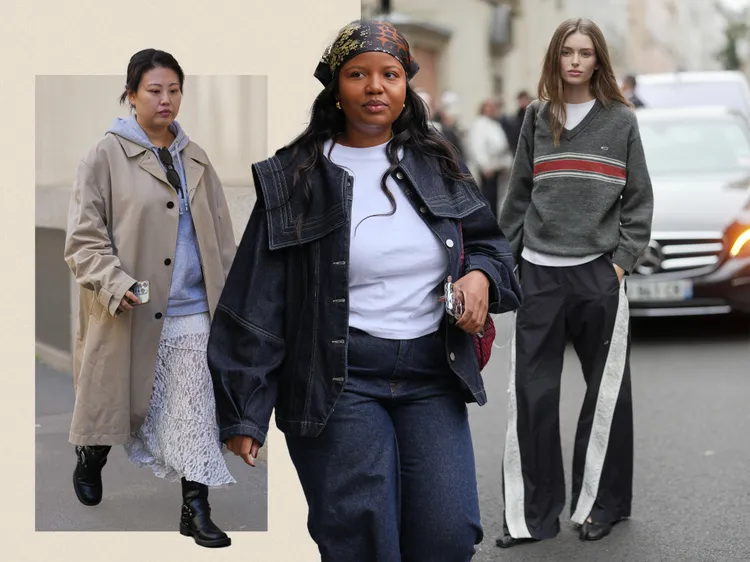
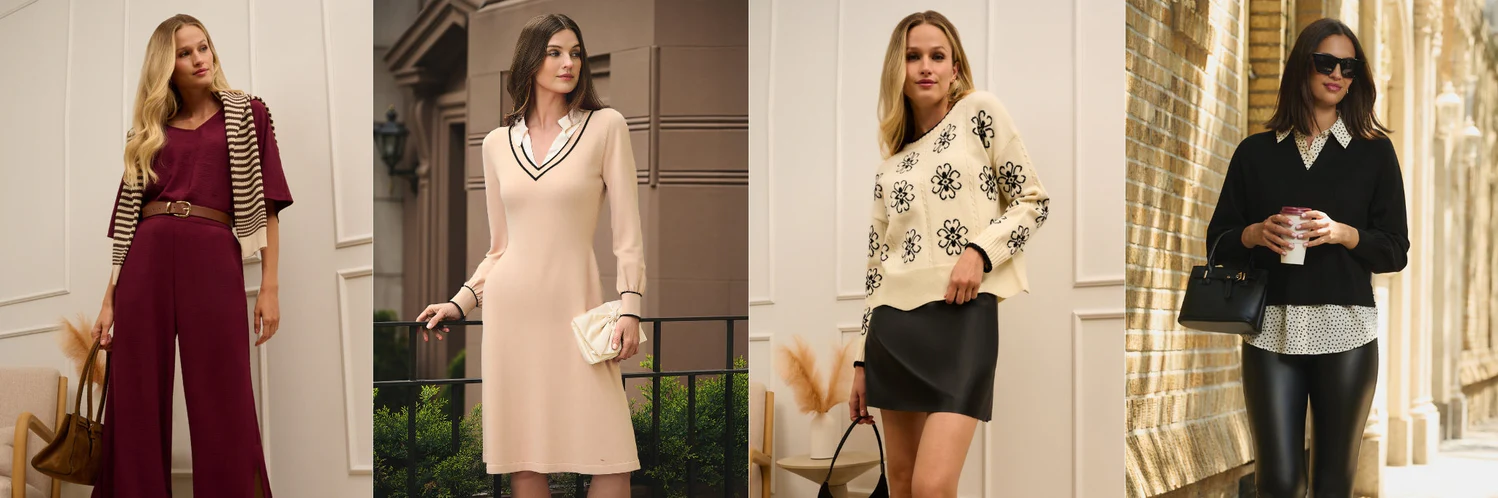
Texture creates depth without noise. Ribbed knits, washed linen, matte satin, soft denim, and boucle details can make neutral colors feel richer and more deliberate. A beige outfit in mixed textures looks far more refined than a bright outfit made from one dull surface. That is not opinion dressed up as fact. You can see it instantly.
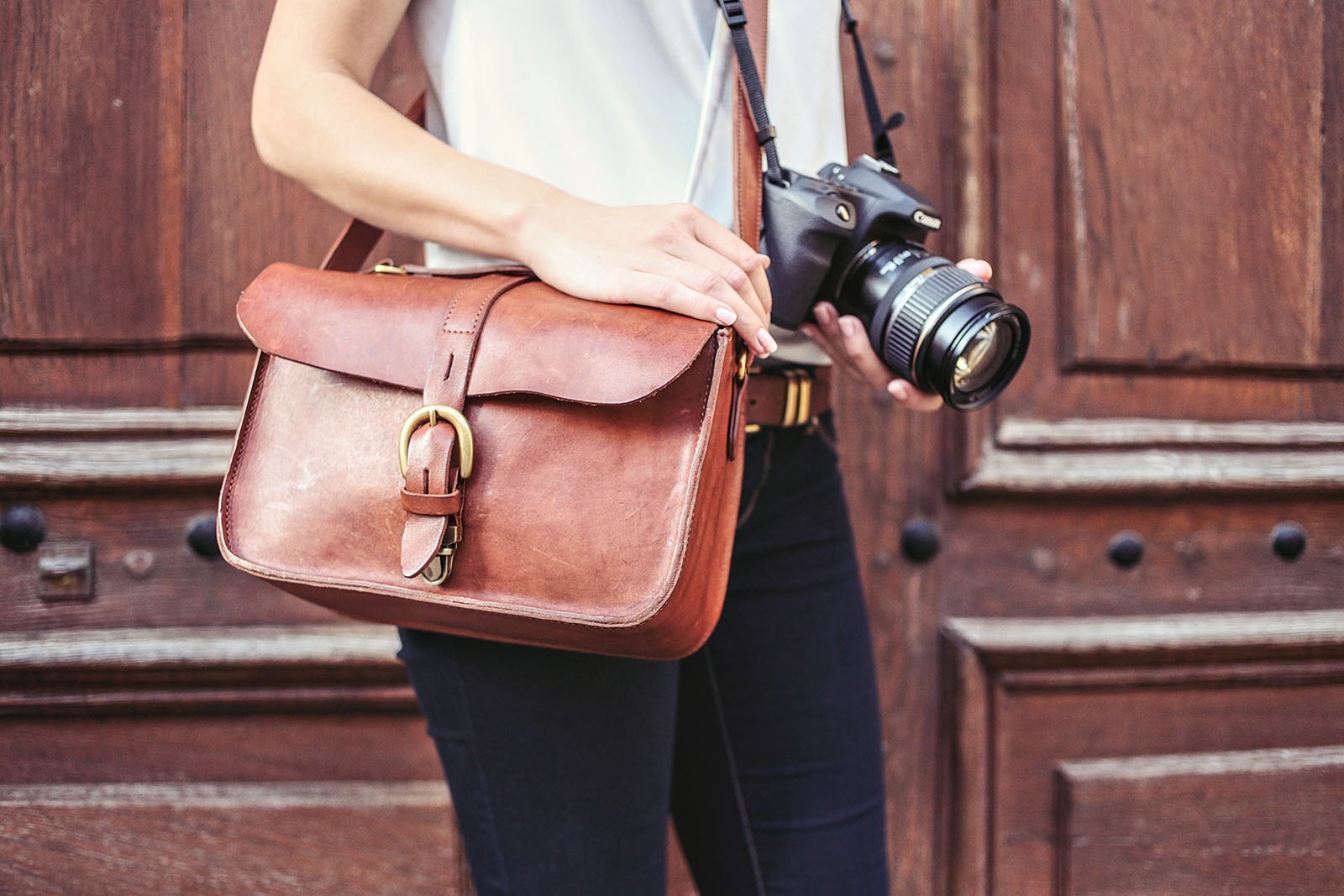
Think about a plain cream sweater with tailored wool trousers and a pebbled leather bag. Nothing about that combination begs for attention, yet it holds it. The reason is contrast in surface, not chaos in styling. Quiet clothes can still speak clearly.
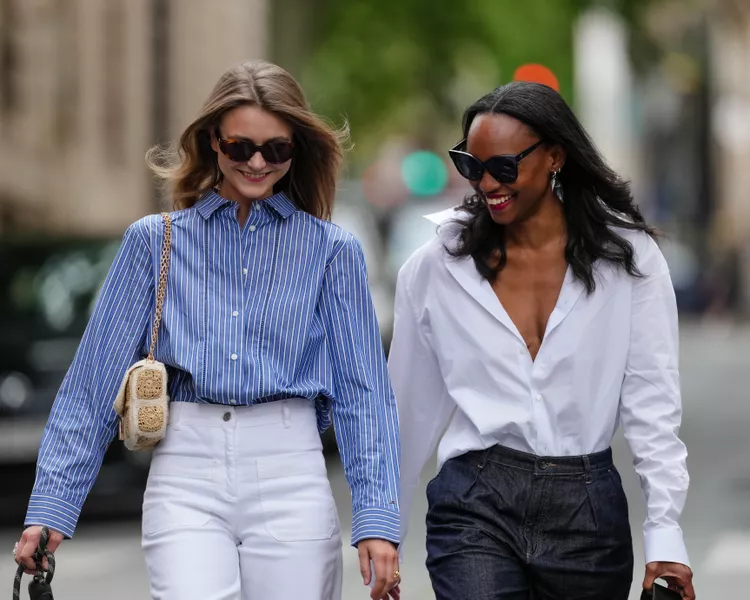
This also helps when your closet leans basic. A white cotton shirt, for example, feels completely different next to fluid viscose pants than it does with rigid denim. Same color family. Different mood. One looks relaxed and clean. The other feels sharper and city-ready.
Texture is the cheat code people spend years ignoring. Once you notice it, random shopping gets harder. Good. That means your eye is improving, and your wardrobe will stop filling with clothes that all do the same thing.
Building outfits around season, movement, and routine
The smartest fabric choice depends on what your day asks from you. That sounds obvious, yet plenty of women still shop for fantasy lives. They buy thick blends for hot weather, flimsy pieces for packed workdays, and delicate fabrics for routines that involve commuting, lifting bags, and rushing from place to place.
Start with climate. If your weather runs warm, breathable cotton, lightweight linen blends, and airy rayon usually work harder than dense polyester. If your routine includes air-conditioned offices and evening errands, fine merino, ponte knit, and medium-weight denim make more sense because they hold shape across temperature shifts.
Then think about movement. A fabric can look beautiful standing still and fail completely once life starts. That is why travel days, office days, and casual city days deserve different materials. Ponte trousers beat stiff dress pants when you know you will sit for hours. A linen-cotton shirt beats pure linen when you want texture without looking rumpled by 10 a.m.
Routine should guide the mood too. For school runs, errands, and quick lunches, soft structured fabrics keep you pulled together without making you feel overdressed. For client meetings or dressier daytime plans, woven fabrics with a clean finish carry more authority. Small shift. Big result.
Style gets easier when you stop asking, “Is this pretty?” and start asking, “Does this make sense for my actual day?” That one question saves money, closet space, and plenty of regret.
Best Fabric Ideas for Chic Everyday Outfits
Some fabrics earn repeat wear because they solve real styling problems. Cotton gives you breathability and clean lines. Linen blends add ease without always turning wrinkled and wild. Viscose brings fluidity when you want movement rather than bulk. Wool blends sharpen trousers, light jackets, and skirts without making everything feel formal.
Denim still deserves respect, but only when the wash and weight work for your wardrobe. Dark or mid-tone denim looks more polished than distressed versions for daily styling. It plays well with blouses, knitwear, loafers, and even simple heels. That kind of range matters.
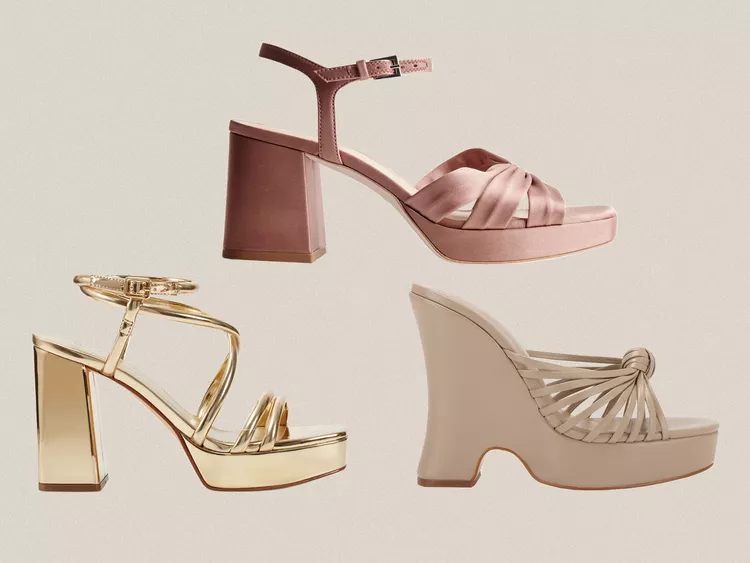
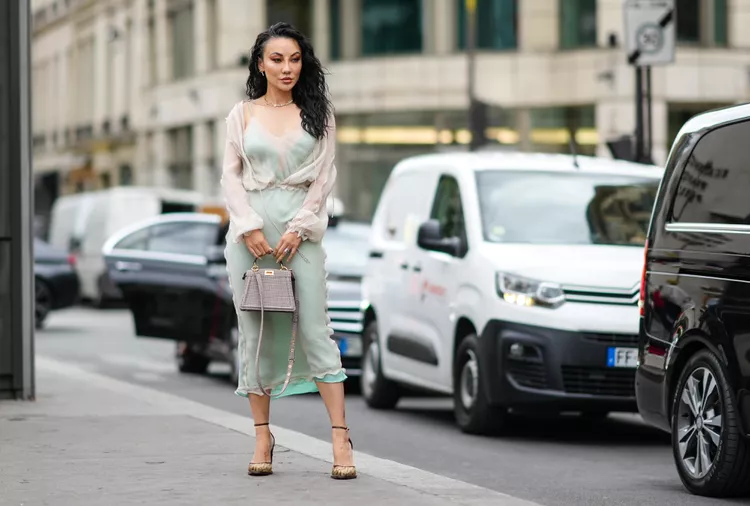
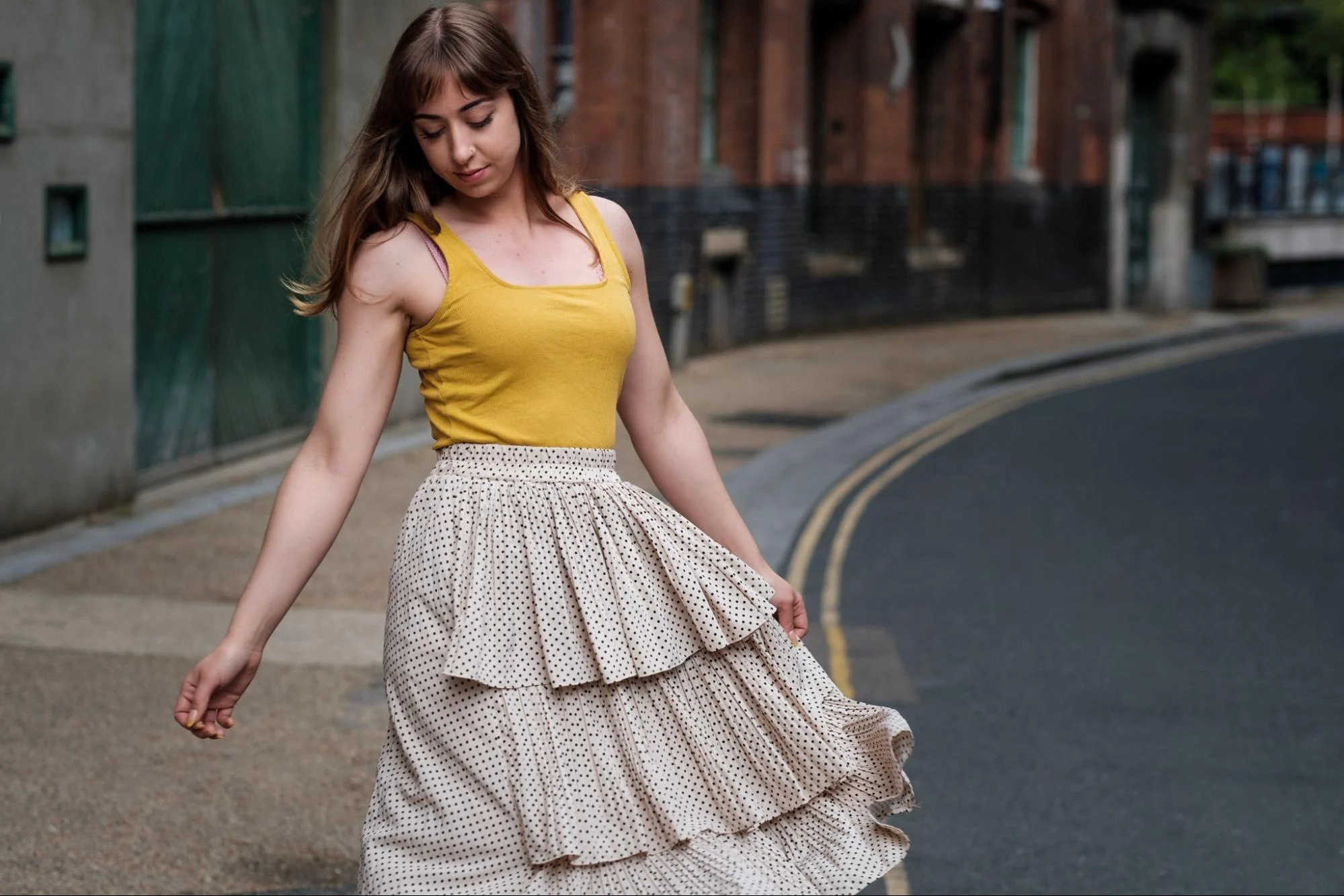
Silk-like satin can also work in daytime, though many women treat it like a night-only fabric. That is a mistake. A matte satin skirt with a plain knit and flat sandals can look smarter than a fussy “dressy” outfit packed with extras. The fabric carries the elegance. You do not need to shout.
For women building modern women fashion wardrobes, the strongest mix usually includes one crisp fabric, one soft draped fabric, one textured casual fabric, and one tailored fabric. That gives you contrast, flexibility, and enough variety to keep repeating pieces without looking repetitive.
The goal is not owning every fabric under the sun. The goal is owning the right ones often enough to build outfits almost on instinct.
Mixing fabrics without making your outfit feel busy
Mixing fabrics sounds stylish in theory and messy in practice when there is no restraint. The trick is contrast with control. You want your materials to play off one another, not compete like they are auditioning for separate outfits.
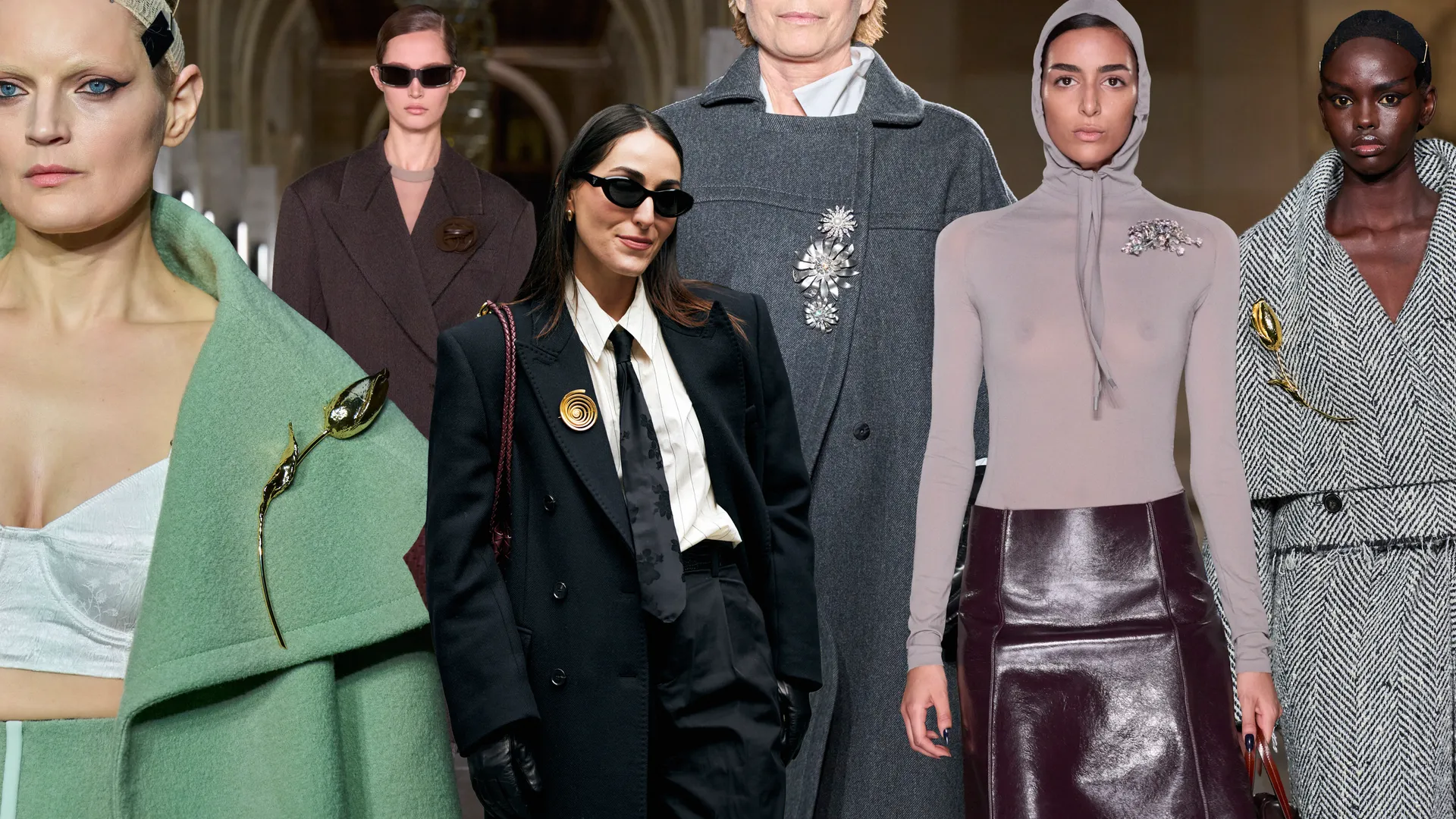
Start with one anchor fabric. Maybe it is wool trousers, a cotton shirt, or a satin skirt. Once that piece sets the tone, add one or two materials that balance it. Soft knit against satin works because one calms the other. Structured denim with a silky blouse works because the tension feels intentional. Leather with brushed cotton adds edge without becoming theatrical.
Color helps keep the peace. If you mix several textures inside the same tonal family, the outfit reads thoughtful rather than crowded. Cream, camel, charcoal, navy, olive, and black are especially forgiving here. They let the surfaces do the talking.
I always tell people this: if the outfit feels loud but nothing is technically wrong, too many fabrics are fighting for top billing. Remove one. Usually that fixes it. Style rarely improves through panic-layering.
This is also where accessories should know their place. A woven bag, suede shoe, or smooth belt can finish the look, but not all three at once unless the outfit is very restrained. Good styling has rhythm. It should not sound like every instrument hit at once.
Conclusion
Great everyday style does not come from chasing endless trends or buying whatever looks expensive online. It comes from understanding what fabric does to an outfit before the outfit even begins. That is the part many shoppers skip, and it is exactly why their wardrobes feel full but oddly unconvincing.
Once you start paying attention to drape, texture, weight, and wearability, your choices become cleaner. You buy less nonsense. You repeat clothes with more confidence. You stop depending on “statement pieces” to rescue outfits that were weak at the material level from the start. That shift changes everything.
The smartest way to use fabric ideas for chic everyday outfits is not as a seasonal mood board but as a personal standard. Ask more from your clothes. Make them breathe, move, flatter, and last. Pretty is nice. Useful and polished is better.
So next time you shop, stop before the color seduces you and before the trend talks too loudly. Touch the fabric. Picture your real day. Then choose with intention. For more style direction, explore everyday wardrobe guidance from Vogue and start building outfits that feel as good as they look.
What fabrics make everyday outfits look more expensive?
Fabrics with a clean finish and good drape usually look pricier right away. Think cotton poplin, wool blends, matte satin, soft twill, and quality knits. They hold shape better and avoid that flimsy look that gives cheap clothing away.
How do I choose fabric for chic casual outfits?
Start with your routine, then match the fabric to it. If you move a lot, choose materials with comfort and shape. If your day is more polished, woven fabrics and fine knits usually give you a neater result.
Is linen good for everyday outfits or too wrinkly?
Linen is excellent for daily wear when you pick the right blend. Pure linen wrinkles fast, but linen mixed with cotton or viscose keeps that relaxed texture while looking a bit more controlled through the day.
Which fabric works best for hot weather style?
Light cotton, gauze, rayon, and linen blends tend to feel best in heat. They allow airflow, reduce that sticky feeling, and keep your outfit from looking wilted by the middle of the afternoon.
Can satin be worn in daytime without looking overdressed?
Yes, and it often looks better in daytime than people expect. The trick is balance. Pair satin with simple knits, clean sandals, denim jackets, or flat shoes so the shine feels relaxed instead of precious.
What is the easiest fabric to style with denim?
Soft cotton, fine knit jersey, and silk-like fabrics work especially well with denim. They create contrast without trying too hard, which is exactly what good everyday dressing should do most days.
How can I mix fabrics in one outfit without clashing?
Keep one fabric as the anchor and let the others support it. Similar colors help a lot. When texture changes but the palette stays calm, the outfit looks intentional rather than crowded or confused.
Are synthetic fabrics always bad for chic outfits?
No, but they need a hard inspection. Some blends improve stretch, durability, or wrinkle resistance. The problem starts when the fabric feels shiny, sweaty, stiff, or cheap. Your hands usually know before your eyes do.
What fabrics should women avoid for daily wear?
Very stiff synthetics, clingy thin polyester, and scratchy blends often create problems fast. They trap heat, crease badly, or sit strangely on the body. Daily style gets easier when comfort and appearance work together.
How do I build a fabric-based wardrobe for modern women fashion?
Build around a few reliable categories: crisp cotton, fluid draped fabric, one tailored material, and one casual texture like denim. That mix gives you range, repeatability, and enough contrast to keep outfits interesting without chaos.
Why do some outfits look boring even when the colors are nice?
The missing piece is often texture. When every item has the same flat surface, the outfit lacks depth. Different finishes create movement for the eye, which makes simple looks feel much more considered.
What should I check before buying fabric for everyday clothes?
Touch the material, hold it up, and imagine a long day in it. Check for cling, stiffness, transparency, and easy creasing. A quick mirror test is not enough. Real life is always the better judge.