

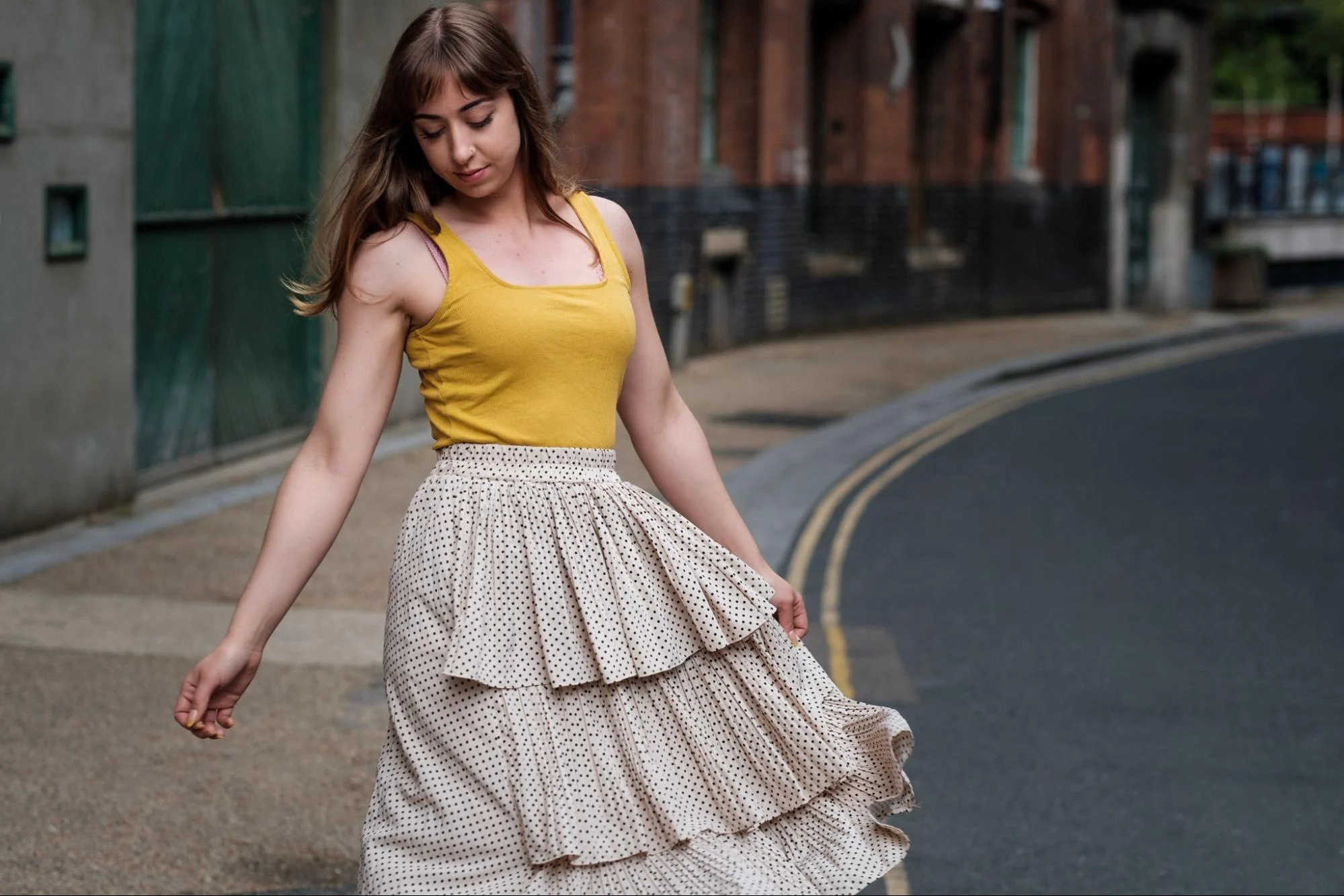

Best Fabric Fashion Tips for Stylish Dressing
Fabric can make a great outfit look expensive, careless, relaxed, or wrong in under ten seconds. Most people blame the cut, the color, or their body when clothes fall flat, but the fabric usually tells the real story first. The smartest shift you can make is learning how texture, weight, and movement change the way clothes sit on you. That is where fabric fashion tips stop being fashion fluff and start becoming useful.
You do not need a giant budget or a wardrobe full of labels to dress well. You need better judgment. A crisp cotton shirt can save an average look. A clingy synthetic dress can ruin one. I learned that the hard way after buying a gorgeous top online that looked polished in photos and felt like a plastic curtain in daylight. Lesson learned.
Once you start noticing fabric, you stop shopping blindly. You begin to see why some outfits feel effortless and others feel slightly off, even when everything matches. That awareness changes how you buy, wear, wash, and keep your clothes. It also helps you build stronger style ideas for modern women fashion without chasing every trend.
Start with Fabric Weight Before You Even Think About Color
Most people shop with their eyes first, then regret it in the fitting room. Weight matters more than many admit because it decides how a garment hangs, folds, and moves with your body. A strong color cannot rescue limp fabric that collapses in all the wrong places.
Light fabrics bring ease, but they can also expose every line underneath. Heavy fabrics add shape, though too much bulk can make a simple outfit feel stiff. You want balance. A midi skirt in mid-weight cotton usually works harder than one in tissue-thin polyester because it keeps its form without acting like cardboard.
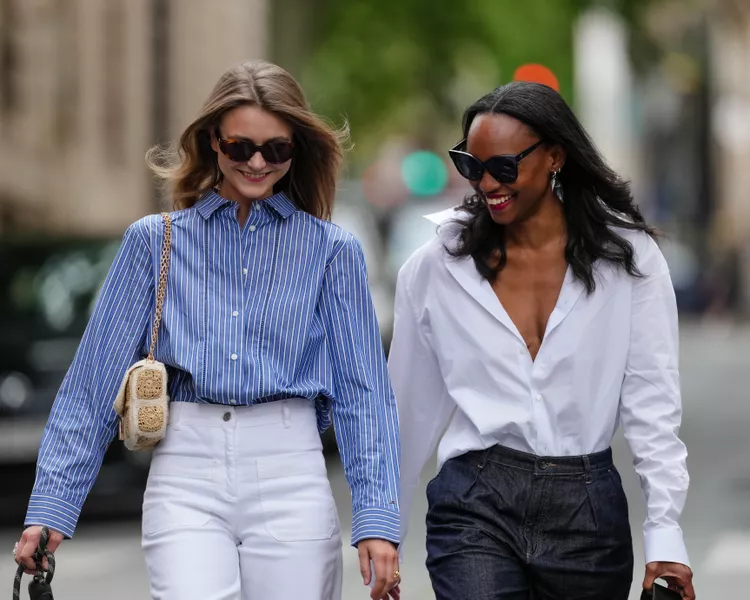
Real life proves this fast. Think about a white shirt. One version feels airy and sharp because the cotton has body. Another version turns sheer, wrinkles by noon, and looks tired before lunch. Same idea, very different result.
This is where smart dressing begins. Hold the fabric. Let it drop from your hand. Watch what it does. Does it fall cleanly or bunch up in a sad heap? Does it skim or cling? Those answers matter more than a pretty print.
And yes, the same rule works for dresses, trousers, blazers, and even loungewear. Fabric weight is not a side detail. It is the frame of the whole look.
Natural Fibers Usually Win, but Only When the Job Fits the Fabric
Cotton, linen, wool, and silk earn their reputation for a reason. They breathe better, age better, and usually feel better on skin. Still, people talk about natural fibers as if they are always the right answer. They are not. Good style comes from fit between purpose and fabric, not blind loyalty.
Cotton shines in shirts, summer dresses, and daily basics because it feels easy and dependable. Linen looks beautiful in heat, though it wrinkles like it has a grudge against smooth surfaces. Silk can look rich and fluid, but it asks for care and does not forgive rough handling. Wool brings structure and warmth, especially in tailoring.
Blends can also earn their place. A touch of elastane in denim helps movement. A wool blend in a blazer can lower cost while keeping shape. The mistake is buying cheap blends that feel slick, trap heat, and pill after three washes.
I always tell people to match fabric to the moment. Linen for a humid afternoon dinner makes sense. Full polyester for that same setting often feels like a personal punishment. Harsh, maybe. Still true.
The better question is not “Is this natural?” It is “Does this fabric suit how I live, where I wear it, and how much care I will actually give it?” Honest answers save money.
Texture Changes the Mood of an Outfit Faster Than Accessories Do
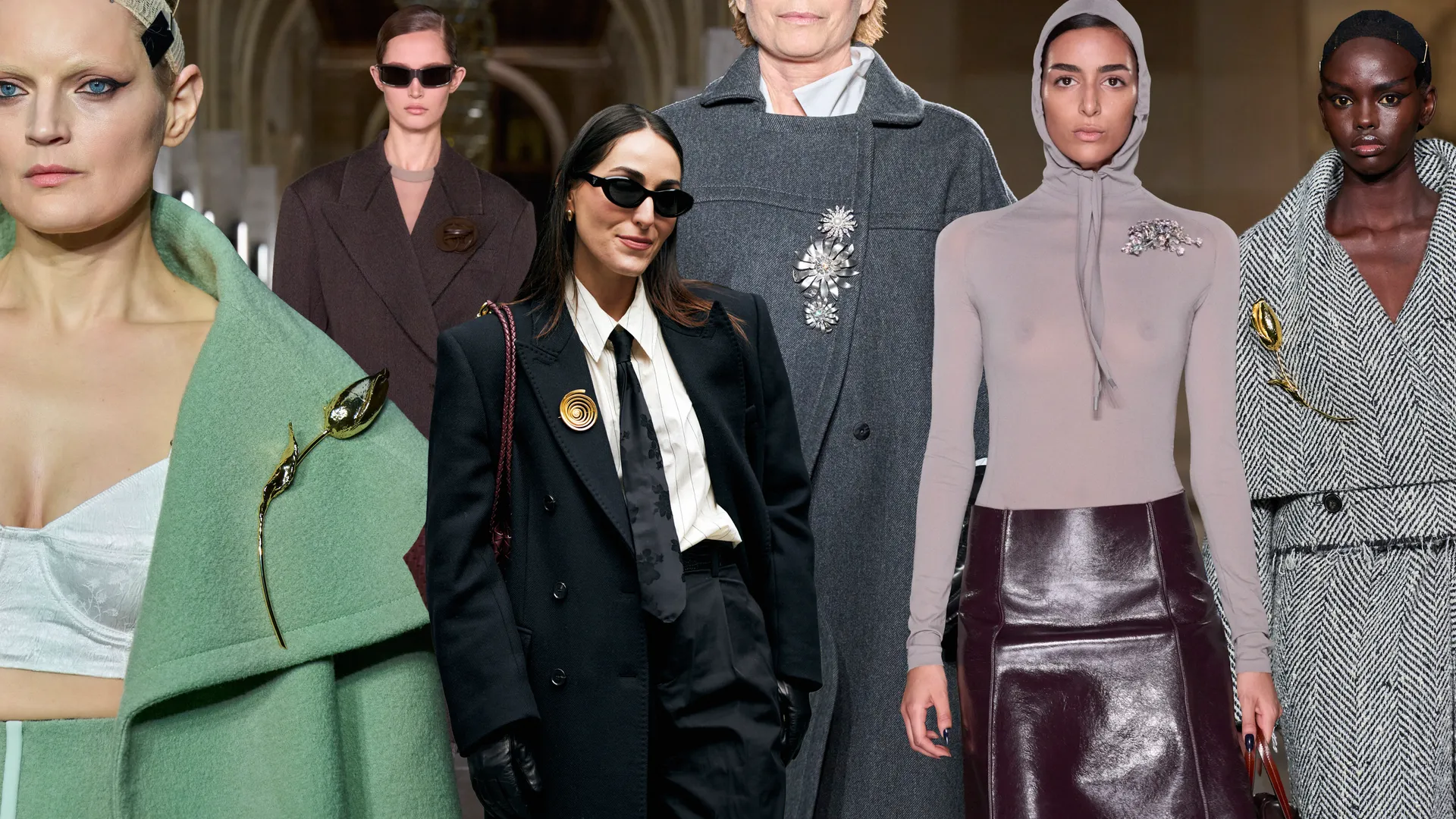
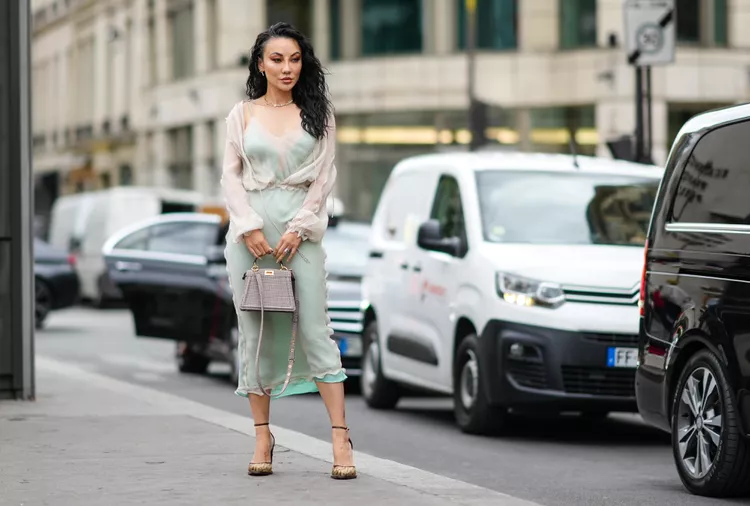
People spend too much time hunting for the perfect bag and too little time noticing texture. Texture shapes mood immediately. Smooth satin feels dressy. Raw linen feels relaxed. Ribbed knit feels soft and casual. Tweed feels grounded and a little sharp. Before jewelry enters the chat, texture already made its point.
That is why a simple outfit can look flat on one day and rich on another. A plain cream top with no texture may feel forgettable. Swap it for a cream knit with visible ribbing or a soft brushed finish, and suddenly the whole look has depth. No extra tricks needed.
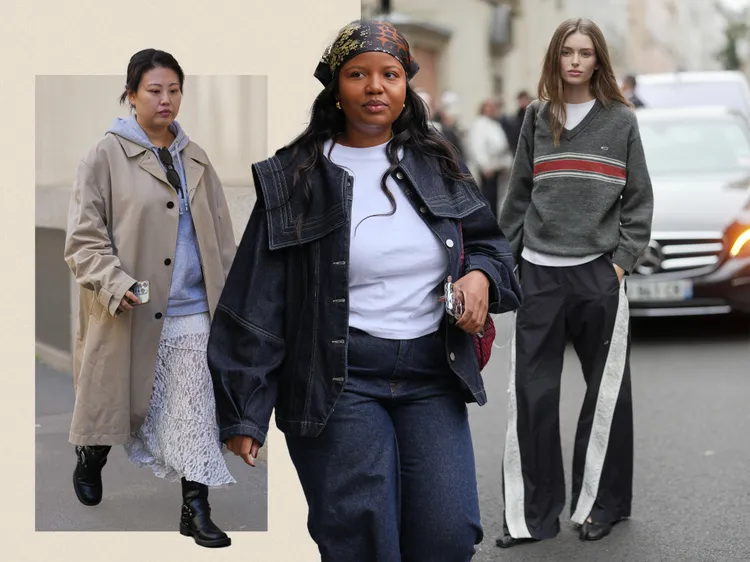
This becomes even more useful when your wardrobe leans neutral. Beige, black, navy, white, and olive can look elegant or sleepy depending on the fabric mix. Pairing matte cotton trousers with a silky blouse or a chunky cardigan with a slip skirt creates contrast that feels intentional.
One of my favorite real-world examples is winter layering. A smooth coat over a fuzzy knit and sturdy denim looks far better than three flat fabrics stacked together. The outfit feels built, not accidental.
For more inspiration on how texture shapes personal style, Vogue’s fashion section offers plenty of visual examples worth studying.
When you get texture right, you stop relying on loud details. The clothes start doing the talking for you.
Cheap Fabric Tells on You, and It Tells Fast
Price alone does not decide quality, but weak fabric exposes itself quickly. You see it in the shine that should not be there, the twisting seams, the pilling at the side, and the stretched-out neckline that makes a top look defeated after a few wears. Clothes do not need to be expensive to look good. They do need to hold their nerve.
The easiest check is close inspection. Rub the fabric lightly. If it already feels tired in the store, it will not improve at home. Hold it to the light. If it turns transparent in places where it should not, pay attention. Look at the inside finish too. Messy construction often walks hand in hand with poor fabric.
I once bought a bargain blazer that looked brilliant on the hanger. Two wears later, the sleeves bagged out and the surface started to fuzz. Meanwhile, an older mid-priced blazer in a wool blend still looked pulled together years later. That comparison taught me more than any trend report.
This is where fabric fashion tips pay off in a practical way. When you learn the warning signs, you buy less nonsense. You stop chasing fake polish and start spotting clothes that keep their shape.
That matters for your style and your wallet. A smaller wardrobe with better fabric usually beats a packed closet full of items that age badly by month two.
Care Decides Whether Great Fabric Stays Great or Dies Early
A good fabric can still lose the battle if you treat it badly. Most wardrobe problems blamed on “bad quality” actually come from rough washing, heat damage, or careless storage. Clothes remember what you do to them.
Cotton can shrink. Wool can felt. Silk can lose its finish. Linen can grow dull when washed without care. None of this means those fabrics are fussy nonsense. It means they need the kind of basic respect you would give anything you want to keep.
The easiest fix is reading the care label before laundry day, not after disaster. Wash cool when possible. Dry with patience instead of rage. Steam works better than aggressive ironing for many fabrics, especially when you want softness without shine marks.
Storage matters too. Knitwear should rest folded, not dragged down on thin hangers. Structured jackets keep their form better on wider hangers. Occasionwear stuffed into a cramped closet rarely comes out looking elegant.
This part sounds boring until you realize how much money it saves. Better care lets fewer pieces do more work, which is how strong personal style actually gets built over time. That is also where style ideas for modern women fashion become sustainable instead of chaotic.
Clothes do not ask for magic. They ask for common sense and five extra minutes.
Conclusion
Great style rarely starts with buying more. It starts with seeing more clearly. Once you understand weight, texture, fiber, quality, and care, you stop getting fooled by pretty displays and clever product photos. You start choosing clothes that support your life instead of fighting it.
That shift is powerful because it gives you control. You are no longer dressing by guesswork. You know why one dress feels graceful and another feels awkward. You know why one shirt sharpens your outfit and another makes the whole thing sag. Those details stack up fast.
The best part is this knowledge stays useful even when trends change. Fabrics do not stop mattering because hemlines move or colors rotate. Good judgment outlasts fashion noise every single time. That is why fabric fashion tips belong at the center of your wardrobe decisions, not buried as an afterthought.
So the next time you shop, slow down. Touch the cloth. Test the drape. Check the label. Be a little pickier than usual. Your closet will thank you, your outfits will look smarter, and your money will go much further. Start there, then build every look on purpose.
What fabric is best for stylish everyday dressing?
The best fabric for daily style depends on weather, movement, and how polished you want to look. Cotton, linen blends, soft wool, and quality denim usually give you the best mix of comfort, shape, and repeat wear.
How do I know if a fabric looks expensive or cheap?
Expensive-looking fabric usually has better texture, cleaner drape, and less fake shine. Cheap fabric often pills quickly, twists at the seams, clings oddly, or looks tired after only a few hours of wear.
Why do some clothes look good online but bad in person?
Photos can hide flimsy texture, poor lining, and awkward drape. Many clothes look polished on a model but fall apart in real light when the fabric lacks body, softness, or proper structure.
Which fabrics are best for hot weather fashion outfits?
Cotton, linen, and light rayon blends usually work well in heat because they breathe and move better. Heavy synthetics can trap warmth and make even a pretty outfit feel uncomfortable within minutes.
Are synthetic fabrics always bad for women’s fashion?
No, but they need to earn their place. A smart blend can improve stretch, shape, or durability. Trouble starts when synthetic fabric feels sticky, traps heat, or imitates luxury while looking obviously fake.
How can I build better outfits by understanding fabric texture?
Texture gives your outfit depth without making it loud. Mixing smooth, soft, crisp, and slightly rough surfaces helps simple pieces feel styled instead of flat, especially when you wear mostly neutral colors.
What fabric should I avoid when buying dresses online?
Be careful with very thin polyester, stiff blends with no drape, and fabrics that have no close-up detail shown. If the product page hides movement and texture, that is usually a warning sign.
Does fabric weight matter more than color in fashion?
Often, yes. Color catches your eye first, but weight shapes the fit, movement, and overall impression. A flattering tone in weak fabric still looks wrong, while great structure can lift even a basic shade.
How do I make my clothes last longer without losing style?
Wash with more care, use less heat, and store items properly. Most clothes last longer when you treat them gently, and they keep looking sharper when the fabric is not stressed every week.
What are the smartest fabric choices for workwear outfits?
Mid-weight cotton, wool blends, ponte knits, and quality viscose blends tend to work well for office dressing. They hold shape, move comfortably, and look polished without feeling stiff or overly formal.
Can better fabric improve confidence in how I dress?
Yes, more than people admit. When clothes sit properly, feel good on your skin, and move the right way, you stop adjusting them all day. That comfort turns into visible confidence very quickly.
How often should I check fabric labels before buying clothes?
Every single time, especially online. The label tells you what the garment may feel like, how it may wear, and whether the care routine matches your real life. That tiny step prevents many bad purchases.