




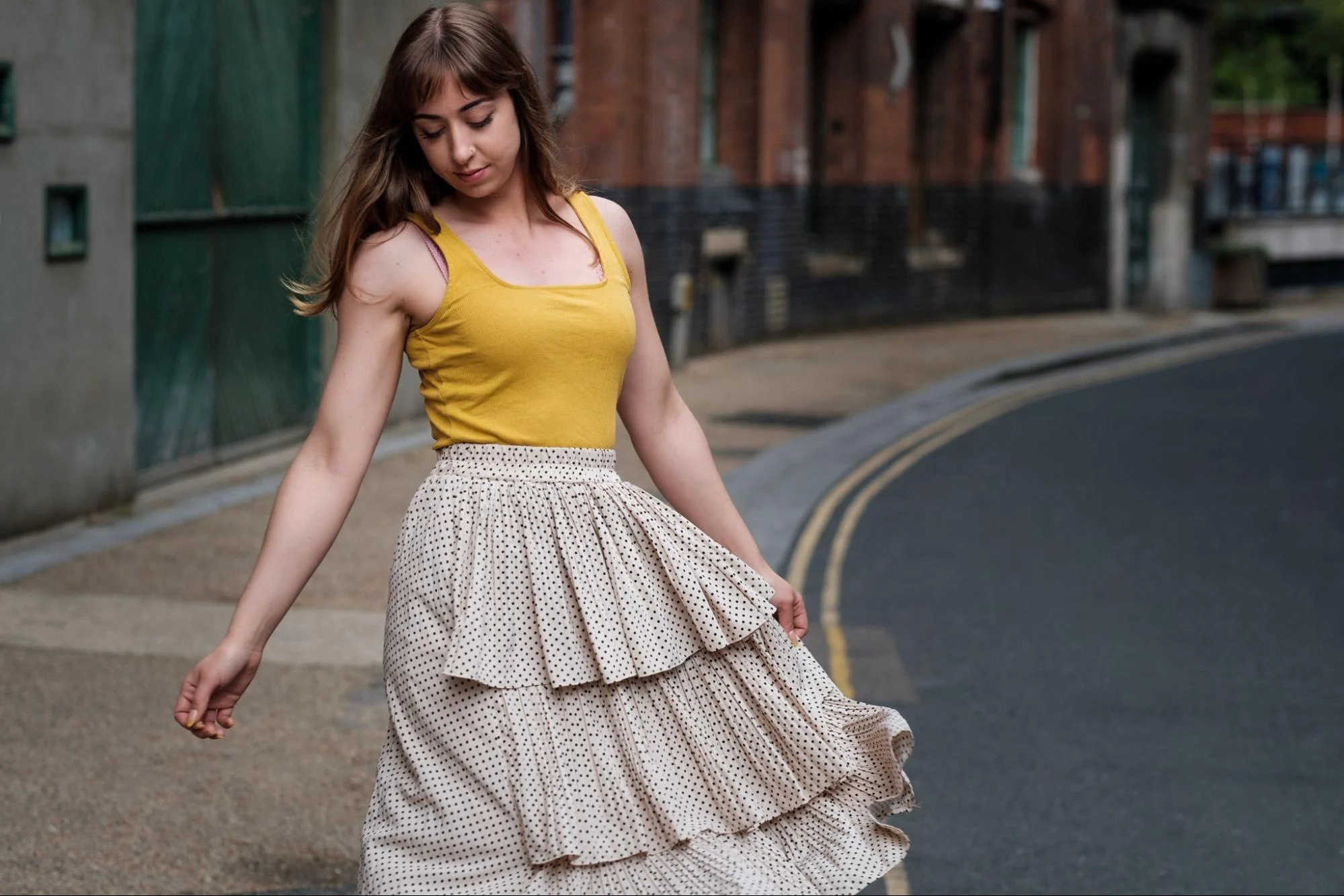
Summer Fashion Styling Tips: Lightweight Looks For Warm Weather Days
British summer dressing has a specific difficulty. The genuinely hot days are few and arrive with little warning, most days are pleasant rather than hot, and the possibility of rain never entirely leaves. A wardrobe built for a Mediterranean summer sits unused, and a wardrobe built for a British one needs to handle 15°C and 28°C within the same week.
The answer is fabric rather than fewer clothes.
Fabric Does Almost All the Work
Comfort in heat is determined far more by what a garment is made of than by how much skin it covers. A loose linen shirt is cooler than a tight polyester vest, which surprises people every year.
| Fabric | In heat | Trade-off |
|---|---|---|
| Linen | Excellent; breathable and quick-drying | Creases immediately and visibly |
| Cotton, loose weave | Very good; breathable and absorbent | Holds moisture once damp |
| Cotton-linen blend | Very good; creases less than pure linen | Slightly less breathable |
| Lightweight merino | Better than expected; regulates and resists odour | Costs more |
| Viscose and modal | Cool to the touch with good drape | Less absorbent; can cling when damp |
| Polyester | Poor unless specifically engineered | Traps heat and moisture |
Two additional factors: fit, where looser garments allow air movement and cool better than close-fitting ones, and colour, where lighter shades reflect more heat than dark ones.
Combinations for Warm Weather
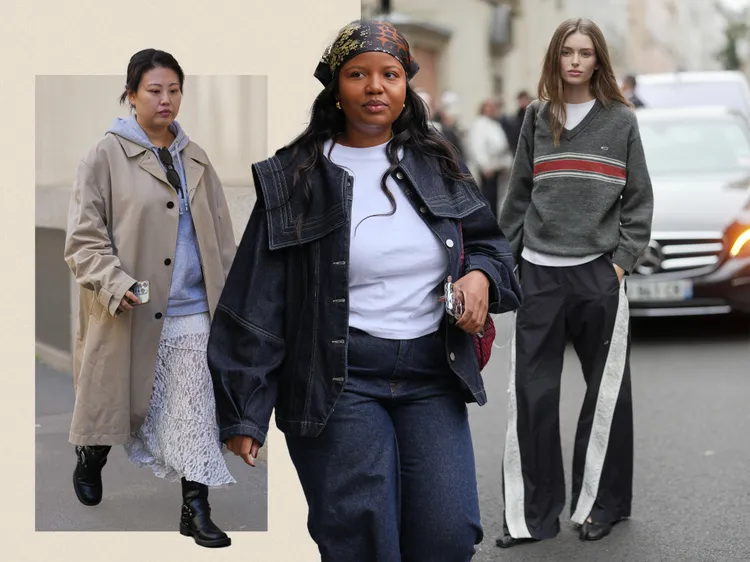
- Linen or linen-blend shirt, loose trousers, sandals or canvas shoes. The most comfortable smart-ish option in heat.
- Plain t-shirt, lightweight shorts, clean trainers. The default, and fabric choice is what makes it comfortable.
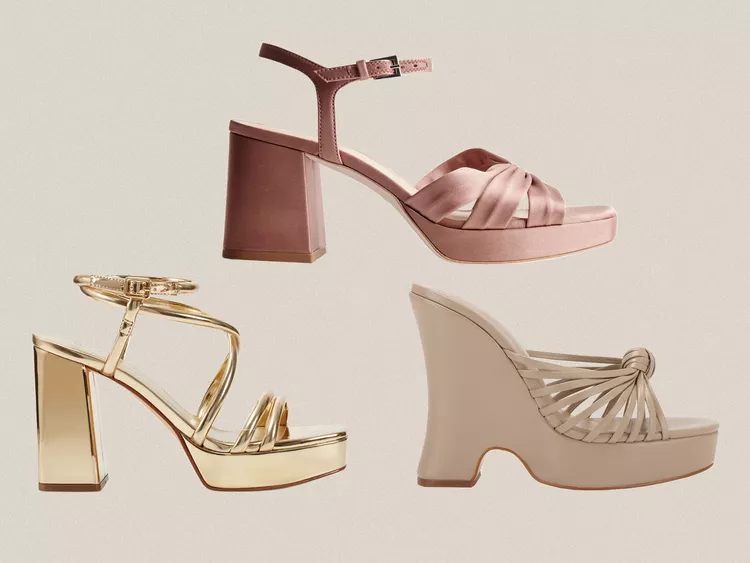
- Loose dress in a natural fibre with flat sandals. Minimal effort, maximum airflow.
- Short-sleeved camp collar shirt over a plain top. Works as a light layer for cooler evenings.
- Wide-leg trousers with a fitted top. Covers up while staying cool, which matters for sun protection.
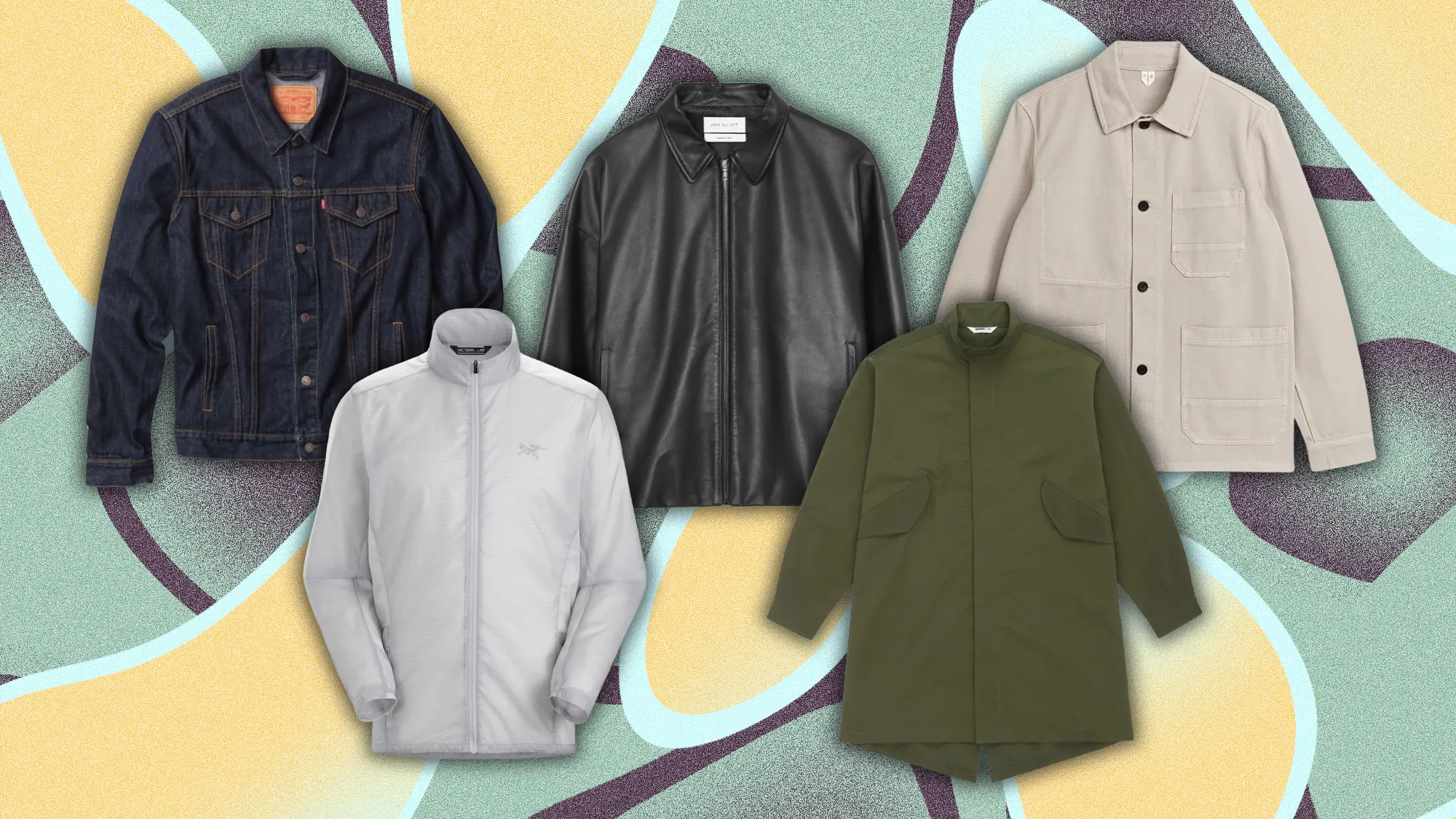
- Anything above plus a packable light layer, because British evenings drop quickly.
The Rain Has Not Gone Anywhere
Summer wardrobes that ignore rain are why people get caught out in July. A light packable waterproof that lives in a bag, and footwear that copes with a sudden downpour, remain worth having through August.
Suede and unlined leather shoes are the commonest casualty of a British summer shower. Keep an alternative available.
Sun Protection Is Part of Dressing
This matters more than styling. UV exposure is the main driver of skin ageing and a significant factor in skin cancer risk, and clothing is the most effective form of protection available.
- A wide-brimmed hat protects the face, ears and neck, which are the commonest sites of sun damage
- Closely woven fabrics block more UV than loose ones; hold a garment up to the light as a rough test
- Long sleeves in a breathable fabric can be cooler and safer than bare arms in strong sun
- Sunglasses with UV protection, since eyes are affected too
- Sunscreen on anything exposed, reapplied, and remembering ears, neck, feet and the back of the hands
- Shade during the strongest part of the day, which no clothing fully substitutes for
Heat, Coastal Weather and Regional Conditions
Summer conditions differ considerably across the UK, and coastal areas in particular combine strong sun with wind that disguises how much exposure you are getting. Regional weather, beach conditions and summer event coverage is reported locally.
On the south coast, where summers are warmest and sunniest, Brighton Update and Southampton Ledger report on beach and seafront conditions. The South West is covered by Plymouth Wire, reporting on a substantial coastline, and Bristol Outlook.
In London, where the urban heat island effect makes hot spells more intense, coverage appears in London Signals and Capital Outlook. North West summer conditions and events are followed by the Manchester Chronicle and Liverpool Tribune.
Yorkshire and the Humber are covered by Leeds Angle, Sheffield Voice, Bradford Daily and Hull Report, with the Newcastle Brief reporting from the North East coast. Scottish summer conditions, typically cooler with long daylight, are covered by Glasgow Bulletin and Edinburgh Scope, with the Belfast Record for Northern Ireland.
Midlands summer events and conditions appear in Birmingham Focus, Coventry Insight, Leicester Echo, Derby Digest and Nottingham Times, with retail and trade reporting in Trade Mirror and household support updates via DWP UK Latest News.
Caring for Summer Clothes
- Wash linen cool and air dry. It softens with each wash and tumble drying damages the fibres.
- Accept the creasing or buy a blend. Trying to keep pure linen crisp is a losing battle.
- Deal with perspiration marks promptly. They set and become permanent, particularly on light fabrics.
- Rinse swimwear in fresh water after chlorine or salt, which degrade elastane quickly.
- Store white and cream items away from light to avoid yellowing over winter.
Frequently Asked Questions
Is linen worth the creasing?
For comfort in genuine heat, yes. The creases are part of how the fabric reads and are not a sign of carelessness. If they bother you, a cotton-linen blend creases considerably less.
Are shorts acceptable at work?
In most UK workplaces, no, even in heat. Lightweight tailored trousers in linen blend are the practical alternative.
How do I stay cool while covered up?
Loose fit in a breathable natural fabric. Airflow matters more than surface area, and covering up gives better sun protection.
What is worth buying for a British summer?
One linen or linen-blend shirt, a light packable waterproof, and a wide-brimmed hat. Those three cover more British summer days than a suitcase of holiday clothes.
Further Reading
Retail, weather and events reporting appears across News Notes, Local News Point, Weekly Journal and Trends Archive. Brands seeking coverage use agencies listed via Local PR Services, PR Directory and Press Hubs.
The Bottom Line
Choose fabric before cut. Linen, loose cotton and lightweight merino keep you cooler than a tighter garment in synthetic material, whatever the coverage.
Keep a packable waterproof in your bag through August, because this is Britain. And treat sun protection as part of getting dressed rather than an afterthought — a hat and a closely woven long sleeve do more than sunscreen alone.
This article offers general styling guidance for a UK readership. Retail availability, pricing and stockists change frequently, and no specific product endorsement is intended. Style is personal, and suggestions here are starting points rather than rules. Garment care advice is general; always follow the care label on the item itself.