

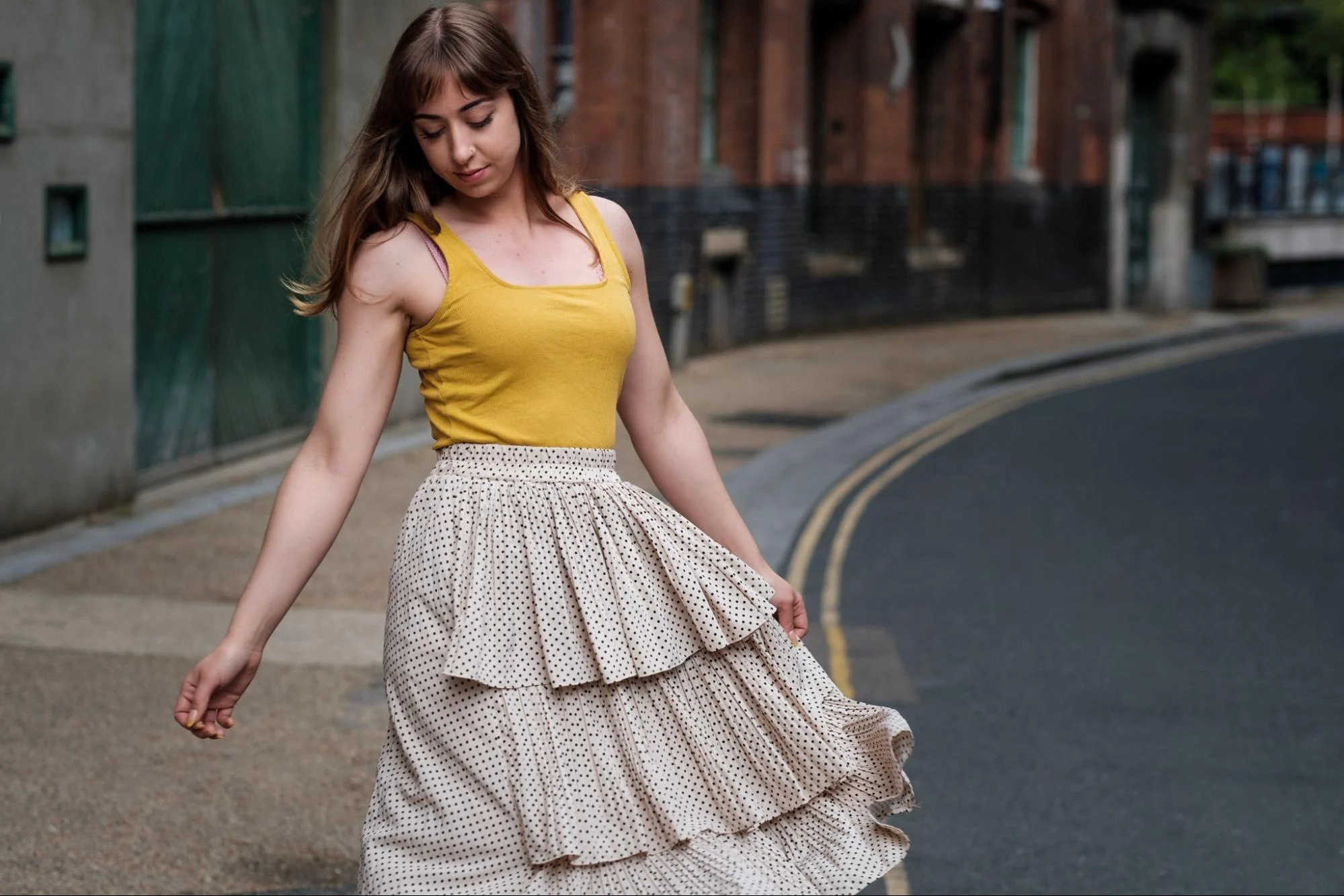
Mary Jane Shoes Making a Massive Comeback in Feminine Fashion
Fashion does not bring back old favorites by accident. It brings back the pieces people missed before they knew they missed them. Mary Jane shoes have stepped back into American wardrobes because they solve a rare style problem: they feel sweet without feeling childish, polished without feeling stiff, and feminine without asking you to dress like someone else. That balance matters right now, especially when many women want outfits that look intentional but still work for errands, offices, brunch, travel days, and casual nights out.
The comeback also says something bigger about how women are dressing in the USA. Comfort is no longer negotiable, but neither is personality. A plain sneaker can carry a day, yet it cannot always finish an outfit. A pointed heel can look sharp, but it often asks too much from your feet. This is where a rounded toe, a slim strap, and a grounded sole feel almost rebellious. Fashion circles, street style feeds, and everyday closets are all proving one thing: feminine footwear is becoming softer, smarter, and far more wearable. For readers following style shifts through platforms like modern fashion coverage, this trend is not a small nostalgia loop. It is a real wardrobe reset.
Why Mary Jane Shoes Feel Fresh Again
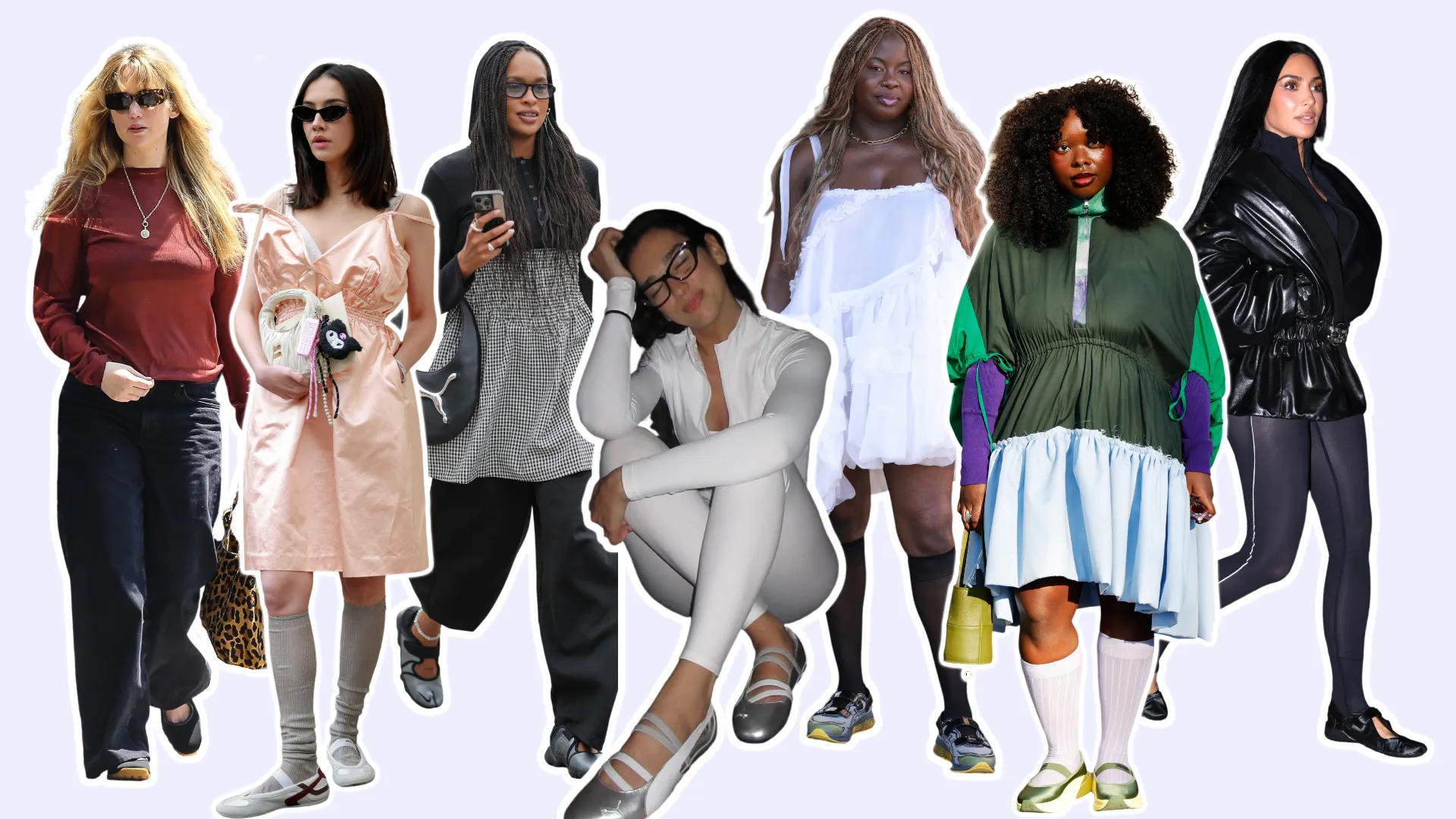
The comeback works because the style has changed its attitude. The old version leaned school-uniform neat. The new version can look romantic, sharp, artsy, downtown, or clean depending on how you wear it. That range is why the shoe has moved beyond trend photos and into real closets across New York, Austin, Chicago, Los Angeles, and smaller American cities where women still need fashion that survives a full day.
The Strap Adds Structure Without Killing Ease
A single strap can change the whole mood of an outfit. It breaks up the top of the foot, adds shape, and makes even a simple flat feel more considered than a ballet shoe. That detail is small, but it carries weight. It gives the eye something to land on.
This matters with modern dressing because many outfits are looser now. Wide-leg jeans, soft trousers, oversized cardigans, and relaxed midi skirts can all blur the body line. A strapped shoe adds a neat visual stop at the bottom. It says the outfit was chosen, not thrown together before coffee.
American street style has leaned into that exact contrast. You might see a woman in straight-leg denim, a ribbed tank, and a black pair with a low block heel. Nothing about the outfit screams for attention, yet it looks finished. The shoe does the quiet work.
Nostalgia Works Best When It Grows Up
The childhood memory is part of the charm, but it cannot be the whole reason. Grown women do not want to look like they raided a costume box. The best versions now come in patent leather, soft suede, mesh, velvet, metallic finishes, and chunky soles. They borrow the memory, then give it adult timing.
That shift explains why feminine shoe trends are leaning less toward painful glamour and more toward charm with control. A square toe can make the shoe feel architectural. A platform sole can push it toward indie style. A slim black leather version can read almost Parisian, even with an American city wardrobe.
The counterintuitive part is that the sweeter the base design is, the more room it gives you to roughen the outfit. Pair them with faded jeans, a boxy blazer, or a plain white tee, and the shoe stops feeling precious. It becomes the twist.
How Feminine Footwear Became Practical Again
Style used to ask women to choose between pretty and livable. That bargain feels outdated now. The strongest fashion pieces in 2026 are the ones that let you move, sit, walk, commute, and still feel like yourself when you catch your reflection in a store window.
Low Heels Changed the Comfort Conversation
A low block heel is not dramatic, and that is its power. It gives lift without turning every sidewalk into a test. Women who work in offices, attend events, or spend time on their feet can wear the style without planning their day around foot pain.
Comfortable dress shoes are having a strong moment because women are done treating discomfort as the price of looking polished. A two-inch heel with a secure strap often works better than a pump because the foot stays in place. Less sliding means less tension, and less tension means you keep the shoes on longer.
That sounds practical because it is. A teacher in Boston, a marketing manager in Dallas, or a bride’s sister at a summer wedding all need the same thing: shoes that look pretty after three hours, not only in the mirror at home.
Flats No Longer Feel Like a Compromise
Flat versions have also earned their place. A thin-soled pair can look delicate with a slip skirt, while a chunkier pair can ground a mini dress or cuffed jeans. The flat does not apologize for being flat anymore. It has its own style language.
This is where women’s fashion trends have become more honest. Many people still love heels, but fewer want them as the only signal of effort. A polished flat can now carry dinner, work, church, date night, or a weekend museum trip without looking like a backup shoe.
There is a quiet confidence in choosing the lower option because it works better for your life. The outfit does not lose femininity. It gains ease, and ease often looks more expensive than strain.
Mary Jane Shoes in Modern American Wardrobes
The strongest trends survive because they adapt to ordinary routines. Runway styling may start the conversation, but real women decide whether a shoe lasts by wearing it with clothes they already own. That is where Mary Jane Shoes keep winning: they make familiar outfits feel new without demanding a full closet rebuild.
Denim Gives the Style Its Coolest Edge
Denim keeps the shoe from getting too polished. Straight-leg jeans with a cropped hem show the strap cleanly, which makes the look feel intentional. A dark wash can take the shoe toward dinner. A faded wash makes it feel weekend-ready.
A red pair with vintage jeans and a black sweater has a different mood from a cream pair with wide-leg denim and a tucked blouse. Both work because the shoe has enough personality to lead, but not so much that it fights the rest of the outfit. That balance is hard to find.
The surprise is that casual outfit ideas often make the shoe look more current than dressy styling does. A full skirt and cardigan can be beautiful, but it may lean too literal. Denim adds friction. Friction makes the outfit feel alive.
Dresses Look Better When the Shoe Matches the Mood
A floral dress with a delicate pair creates an easy romantic look, but the best styling depends on the dress shape. A fitted knit dress usually works with a sleeker shoe. A puff-sleeve mini can handle a chunkier sole. A satin midi looks cleaner with a low heel and a subtle shine.
Modern feminine footwear is less about matching everything and more about matching energy. A soft dress does not always need a soft shoe. Sometimes it needs a darker pair to keep the outfit from floating away.
For a summer wedding in Charleston or a rooftop dinner in Phoenix, this becomes useful fast. The shoe can soften a sharp dress or sharpen a sweet one. That push and pull is what makes the style feel grown.
How to Choose the Right Pair for Your Closet
The mistake is buying the version that looks best in a photo instead of the one that fits your actual wardrobe. A shoe can be beautiful and still wrong for your life. The right pair should work with your clothes, your walking habits, your climate, and the level of polish you need most weeks.
Start With Color Before Shape
Black is the safest first pair because it handles jeans, trousers, dresses, and skirts without overthinking. Brown feels warmer and works well with cream, denim, camel, olive, and soft blue. Red, silver, and burgundy are stronger choices for anyone who already owns reliable basics and wants the shoe to become the outfit’s spark.
Color also changes how dressy the shoe feels. Patent black reads sharper. Matte leather feels quieter. Metallic pairs can look playful during the day and polished at night. That flexibility helps if you want one pair to do more than sit in the closet for rare outfits.
Comfortable dress shoes should not be bought for fantasy occasions alone. Try to picture three real outfits before buying. If you cannot name them quickly, the pair may be more tempting than useful.
Pay Attention to Strap Placement and Sole Weight
A strap that hits too high can shorten the leg line, especially with skirts. A lower strap often feels easier to style because it shows more of the foot. People notice the difference even when they cannot explain it.
Sole weight matters too. A thin sole feels graceful, but it may not suit long walks or rough sidewalks. A lug sole gives grip and attitude, though it can overpower delicate dresses. The middle ground is often a modest block heel or a slightly padded flat.
Women’s fashion trends come and go, but fit always exposes a bad purchase. Walk around your home before keeping a pair. Check whether the strap rubs, whether your heel slips, and whether the toe box lets your foot relax. Pretty shoes become annoying fast when they fight your body.
Conclusion
The best fashion comebacks do not ask you to copy the past. They give you an old shape with a new reason to care. That is why this shoe has returned with more staying power than a passing social media moment. It fits the way women are dressing now: softer than office armor, sharper than lazy basics, and more personal than trend-chasing.
Mary Jane shoes make sense because they offer charm without surrendering comfort. They work with jeans, dresses, trousers, skirts, socks, bare ankles, summer cotton, and winter wool. Few shoes move through that many moods without losing their identity.
The smartest move is not to buy the loudest pair first. Start with the version your closet will welcome three times a week, then build from there if the shape becomes part of your style rhythm. Choose the pair that makes your everyday outfits feel finished, because the right shoes do not simply match your clothes. They change how you carry yourself.
Frequently Asked Questions
Why are Mary Jane flats popular again in women’s fashion?
They feel nostalgic but still practical, which makes them easy to wear with modern outfits. The strap adds detail, the shape feels feminine, and the flat sole works for daily life. Women want shoes that look styled without causing foot pain.
How do you style Mary Jane shoes with jeans?
Choose cropped straight-leg, relaxed, or wide-leg jeans so the strap stays visible. Add a fitted top, cardigan, blazer, or simple tee depending on the mood. The shoe works best when the denim feels casual enough to balance its sweetness.
Are Mary Jane heels comfortable for daily wear?
Low block-heel versions can be comfortable for daily wear when the strap fits well and the toe box has enough room. Avoid stiff materials for long days. A padded insole and stable heel make the biggest difference.
Can women wear Mary Jane shoes to the office?
They can work well in offices, especially in leather, suede, or patent finishes. Pair them with tailored trousers, midi skirts, knit dresses, or clean denim if your workplace allows it. Sleeker shapes look more professional than chunky casual versions.
What socks look best with Mary Jane shoes?
Thin ankle socks, sheer socks, ribbed socks, and lace-trim styles can all work. White socks create a playful look, while black or sheer socks feel more refined. The best choice depends on whether you want the outfit to feel sweet, sharp, or casual.
Are Mary Jane shoes good for wide feet?
Some styles work for wide feet, but shape matters. Look for rounded or square toe boxes, adjustable straps, and soft leather. Avoid narrow pointed versions if your foot needs more space across the front.
What dresses pair best with Mary Jane shoes?
Midi dresses, knit dresses, slip dresses, shirt dresses, and mini dresses all pair well with them. Match the shoe weight to the dress. A delicate dress often works with a slim flat, while a stronger dress can handle a platform or block heel.
What color Mary Jane shoes should I buy first?
Black is the most useful first choice because it works with nearly everything. Brown feels softer and warmer, while burgundy or red adds personality. Choose the color that already appears most often in your wardrobe.