


Flatform Sandals Offering Height and Stability in Equal Measure
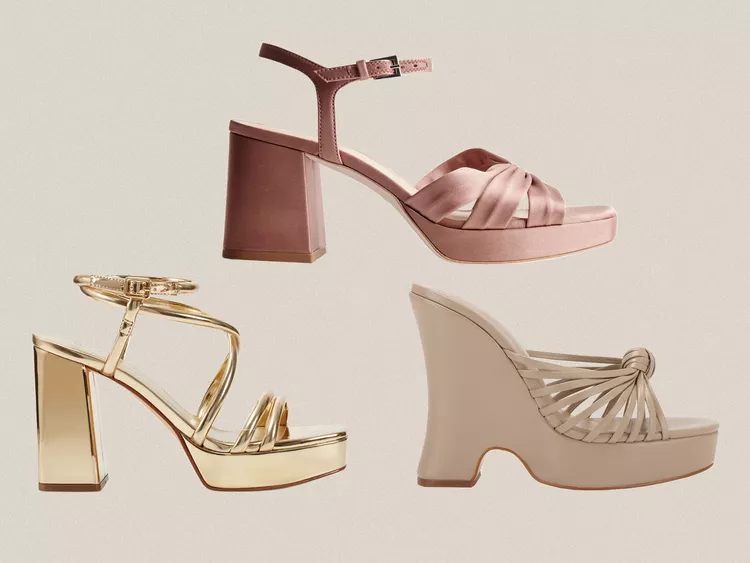
A small lift can change the whole mood of an outfit, but nobody wants to spend a summer afternoon fighting their shoes. That is why Flatform Sandals have earned a serious place in American wardrobes, from Saturday farmers markets in Austin to rooftop dinners in Chicago. They give you the height people often chase from wedges or heels, without forcing your foot into an awkward angle.
The appeal is practical, not flashy. You get a raised sole, a steadier base, and enough visual weight to make simple clothes feel styled. A linen dress looks sharper. Wide-leg jeans hang better. Even a plain tank and shorts feel more intentional.
Footwear trends come and go, but comfort has become harder for shoppers to compromise on. After years of sneakers ruling daily outfits, women want sandals that keep that walkable feeling while still looking polished. The best pairs understand that balance. They do not ask you to choose between looking taller and feeling steady.
Why Flatform Sandals Work Better Than Traditional Heels for Everyday Height
Height usually comes with a trade-off. Classic heels lift the back of the foot, shift pressure forward, and make every uneven sidewalk feel like a tiny test of balance. That may work for a short dinner, but it falls apart when your day includes errands, parking lots, stairs, and standing around longer than planned.
Flatform Sandals solve that problem by raising the entire foot more evenly. The sole gives you height, but the flatter pitch keeps your body from leaning forward in the same way a heel does. That small design difference changes everything about how the shoe feels after hour two.
The Even Sole Makes Height Feel Less Demanding
Traditional heels change your posture the second you stand up. Your calves engage more, your toes take extra pressure, and your stride shortens whether you notice it or not. A flatform sole feels different because the lift sits under the whole foot instead of only under the heel.
That does not mean every pair feels perfect. A heavy, stiff sole can still make walking clunky. The best comfortable platform sandals have enough structure to support you, but enough flexibility near the front to let your foot move.
This is where cheaper pairs often fail. They look good in a product photo, then feel like walking on two blocks by lunchtime. A better pair bends slightly, grips the ground, and keeps your ankle from rolling outward on uneven pavement.
Stability Changes the Way You Dress
A stable shoe gives you more outfit freedom because you stop planning around discomfort. You can wear a midi skirt without thinking about whether the shoe will slow you down. You can pair cropped jeans with a thicker sole and still feel balanced.
This matters in real life. A woman heading to a casual office in Phoenix may need shoes that handle a parking garage, a full workday, and dinner afterward. A thin sandal might feel too relaxed, while a heel feels like too much effort. Stable summer sandals sit in that middle lane.
The counterintuitive part is that a chunkier sole can make an outfit look cleaner, not heavier. When the proportions are right, the shoe anchors the look. It gives soft fabrics a little edge and keeps breezy pieces from feeling unfinished.
Choosing Comfortable Platform Sandals That Still Look Polished
Comfort should not mean settling for a shoe that looks orthopedic before its time. The trick is knowing which details make a sandal walkable and which details only pretend to help. Many shoppers focus on padding first, but padding alone cannot save a poor shape.
Comfortable platform sandals need the right base, strap placement, and footbed support. Miss one of those, and the shoe may still rub, slip, or feel unstable. Get all three right, and the sandal can carry you through a full summer day without becoming the thing you regret wearing.
Strap Placement Matters More Than Decoration
A pretty strap means little if it cuts across the wrong part of your foot. Thin straps near the toes may look delicate, but they often create pressure points when your feet swell in warm weather. Wider straps usually spread pressure better and keep the foot from sliding.
Ankle straps can help, but only when they sit comfortably and adjust with enough range. A strap that is too loose makes the shoe slap with every step. A strap that is too tight turns a walkable sandal into a blister machine.
For everyday wear, the best women’s flatform shoes often use two or three well-placed straps instead of a maze of skinny ones. That design holds the foot without making the shoe feel busy. It also works with more outfits, which matters when you want one pair to do more than match one dress.
The Footbed Decides the Long-Term Comfort
The footbed is where the real quality shows. A flat, hard interior may feel fine during a quick try-on, but it gives your foot nothing to settle into. After a few hours, that lack of shape starts to feel harsh.
A lightly molded footbed supports the arch, cups the heel, and reduces sliding. This is especially helpful in hot American summers, when feet naturally expand and sandals can start to feel tighter by late afternoon. Better design quietly handles that shift.
One unexpected point: too much softness can be a problem. A sandal that feels pillow-like in the store may compress fast and lose support. The sweet spot is cushioning with structure, not a marshmallow under your foot.
Styling Stable Summer Sandals Without Making Outfits Feel Heavy
The biggest style fear with thick-soled sandals is bulk. Nobody wants their shoes to overpower the outfit or make the lower half look awkward. The answer is not always choosing the thinnest sole. It is matching the shoe’s visual weight to the clothes around it.
Stable summer sandals work best when the outfit gives them a reason to exist. A floaty dress, a straight-leg jean, a relaxed trouser, or a tailored short can all handle a raised sole. The shoe becomes part of the shape, not an afterthought.
Balance Chunky Soles With Clean Lines
A thick sole pairs well with simple clothing because it adds interest without needing loud color or decoration. Think white jeans, a ribbed tank, and tan leather straps. The outfit stays easy, but the sandal gives it structure.
This works especially well for city weekends. Someone walking through Los Angeles, Miami, or Nashville needs a shoe that looks social but still handles distance. A clean flatform gives height without heels, which makes the whole outfit feel more relaxed.
Avoid stacking too many heavy elements at once. Oversized cargo pants, a bulky bag, and a thick black sandal can work, but only when the proportions feel intentional. Most days, one strong piece near the ground is enough.
Dresses and Skirts Need the Right Sole Shape
A raised sandal can make dresses look more current, especially when the sole has a clean edge. A narrow dress often works better with a sleeker platform. A breezy cotton skirt can handle something wider and more casual.
The mistake is treating every dress as delicate. Summer dresses often need a grounding piece, or they start to look too sweet. A thicker sandal can toughen the outfit in a good way, especially with denim jackets, linen shirts, or simple gold jewelry.
Women’s flatform shoes also help with longer hemlines. A maxi dress that drags with flat sandals may fall better with one or two inches of lift. That is a quiet fix, but it can make the whole outfit look more expensive.
What to Look for Before Buying Women’s Flatform Shoes
A sandal can look perfect online and still fail in daily use. The safest approach is to judge it like a walking shoe first and a fashion item second. Style gets you interested, but construction decides whether you keep reaching for it.
Women’s flatform shoes should feel secure from the first walk around the room. They should not require a long negotiation period. Some materials soften with time, but poor balance, bad strap placement, and slippery soles rarely turn into good choices later.
Check the Weight Before You Commit
Weight is one of the most overlooked details in raised sandals. A shoe can have a thick sole and still feel light if the material is chosen well. A heavy sole, though, changes your stride and can tire your legs faster than expected.
This matters for travel. If you are packing for a beach trip to Florida or a long weekend in San Diego, one heavy pair can become a suitcase problem and a walking problem. Lighter stable summer sandals give you more use with less effort.
The best test is simple. Walk across a hard floor and notice whether the shoe follows your foot or makes your foot follow it. That difference tells you more than any product description.
Grip and Edge Shape Protect Your Balance
The outsole deserves attention because summer surfaces are unpredictable. Smooth restaurant floors, poolside paths, boardwalks, and city sidewalks all ask different things from a sandal. A little traction can save you from that awkward half-slip nobody enjoys.
Look at the bottom before buying. A tread pattern does not need to be aggressive, but it should not look slick. The edge of the sole should also feel stable, not rounded in a way that encourages wobbling.
Flatform Sandals are at their best when they feel like a smart shortcut: more height, more presence, and less strain. The right pair gives you that lifted look while keeping your steps calm and grounded.
Conclusion
Good summer style should make life easier, not turn every outing into a footwear gamble. A well-made raised sandal proves that comfort and polish do not have to sit on opposite sides of the closet. You can dress for height, movement, and long days without pretending a painful shoe is worth it.
The smartest choice is to buy for your actual routine. Think about where you walk, how long you stand, and what clothes you wear most often. Then choose a pair that supports those habits instead of chasing a trend that only works in photos.
Flatform Sandals deserve their place because they answer a real problem with a wearable solution. They give outfits shape, help hems fall better, and keep your stance steadier than many traditional heels. Pick one pair with secure straps, a shaped footbed, and reliable grip, then build your summer looks from the ground up.
Frequently Asked Questions
Are flatform sandals comfortable for walking all day?
They can be comfortable for long wear when they have a light sole, secure straps, and a supportive footbed. Avoid stiff pairs that do not bend near the front of the foot. A stable base matters more than extra padding alone.
What is the difference between platform sandals and flatform sandals?
Platform sandals may raise the heel more than the front, while flatform styles usually keep the sole height more even from toe to heel. That flatter pitch can feel steadier and less tiring for casual walking.
Can you wear comfortable platform sandals to work?
Many pairs work well in casual or creative offices when the design looks clean. Leather straps, neutral colors, and a moderate sole height usually feel more polished than sporty foam styles or beach-only designs.
Do stable summer sandals look good with jeans?
They look great with straight-leg, cropped, wide-leg, and relaxed jeans. The raised sole helps balance denim weight and can make the outfit look more styled than a thin flat sandal would.
Are women’s flatform shoes good for wide feet?
Some styles are good for wide feet, especially pairs with adjustable straps and a roomier footbed. Avoid narrow toe straps or rigid uppers. Trying them on later in the day gives a better sense of fit.
How much height do flatform sandals usually add?
Most everyday pairs add around one to two inches of height. Some fashion-forward designs go higher, but moderate height is easier to walk in and works better for daily outfits.
What outfits go best with height without heels?
Midi dresses, linen trousers, cropped jeans, shorts, and maxi skirts all work well. The key is balancing the shoe’s thicker sole with clean shapes, breathable fabrics, and simple accessories.
How do you keep flatform sandals from looking bulky?
Choose a sole shape that matches your outfit’s weight. Sleeker pairs work with dresses and tailored pieces, while chunkier pairs suit denim and relaxed separates. Neutral colors also make thicker soles feel less heavy.