
Printed Co Ord Sets Styled Beyond Matching Top and Bottom
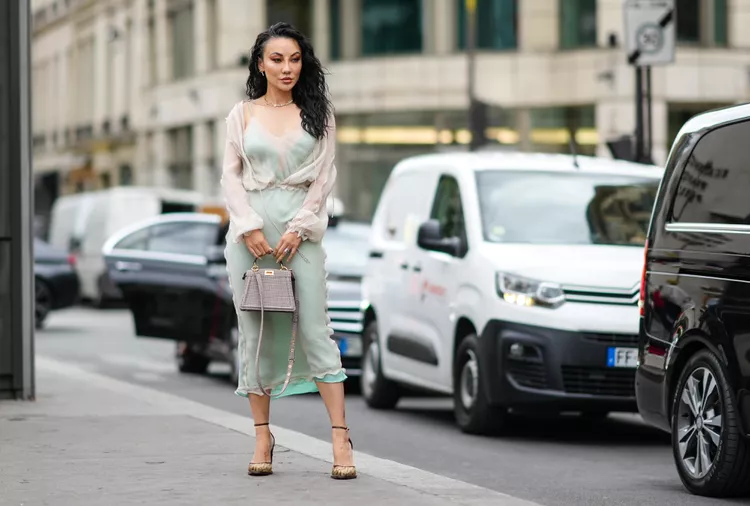
A matching outfit should not make you look like you stopped thinking after buying it. The best sets give you a head start, not a finish line. When styled with intention, Printed Co Ord Sets can move from brunch in Austin to a rooftop dinner in Chicago without feeling copied from a mannequin. That matters because American wardrobes are more fluid now. People want pieces that handle errands, office-adjacent plans, travel days, and nights out without needing a full outfit reset.
The trick is treating the set like a styling tool instead of a costume. A sharp print can frame your shape, brighten your face, and give plain wardrobe pieces new life. Sites covering modern fashion visibility often point to the same shift: people are less interested in owning more clothes and more interested in making each piece work harder. Printed sets fit that mood well. They offer polish fast, but the real style begins when you break the “top and bottom only” habit.
Why Printed Co Ord Sets Need Styling Beyond the Obvious
The matching version is easy, and that is both its charm and its trap. A full set can look polished in seconds, but it can also flatten your personality if every detail feels too tidy. The stronger move is learning when to keep the print together and when to interrupt it with texture, shape, or restraint.
Matching Separates Should Feel Chosen, Not Automatic
Matching separates work best when the rest of the outfit looks edited. A floral cropped shirt and wide-leg pants, for example, can feel relaxed with flat sandals and a woven tote for a Saturday farmers market in San Diego. Add oversized earrings, stacked bangles, and a tiny clutch, though, and the same outfit may start fighting itself.
Restraint gives prints room to breathe. If the set already has color, movement, and pattern, your accessories should not all compete for attention. One strong piece is enough. A structured bag, clean sunglasses, or a slim leather belt can make the set feel styled rather than busy.
The counterintuitive part is simple: doing less often makes the outfit look more expensive. Many people try to “complete” a printed set by adding more detail. Better style usually comes from removing one thing before leaving the house.
Pattern Scale Changes the Whole Mood
Large prints feel bold from across a room, while tiny prints read softer and more flexible. A big tropical print can look great at a Miami lunch, but it may feel loud in a casual office unless balanced with a blazer or plain shoe. A small geometric print, on the other hand, can pass as almost neutral when styled with calm layers.
Patterned outfits also change depending on fabric. A silky abstract set feels dressier than a cotton gingham one, even if the cut is similar. That difference matters when you are packing for a weekend trip or trying to wear one set across several plans.
A smart closet does not treat every print the same. It reads scale, color, fabric, and shape together. That is where personal style starts showing up.
Breaking the Set Without Losing the Look
A printed set becomes far more useful when each piece can stand alone. The top should earn a place with jeans, trousers, skirts, or shorts. The bottom should work with tanks, button-downs, sweaters, and tees. If either half only looks good with its mate, the set is weaker than it seems.
Style the Top Like a Statement Shirt
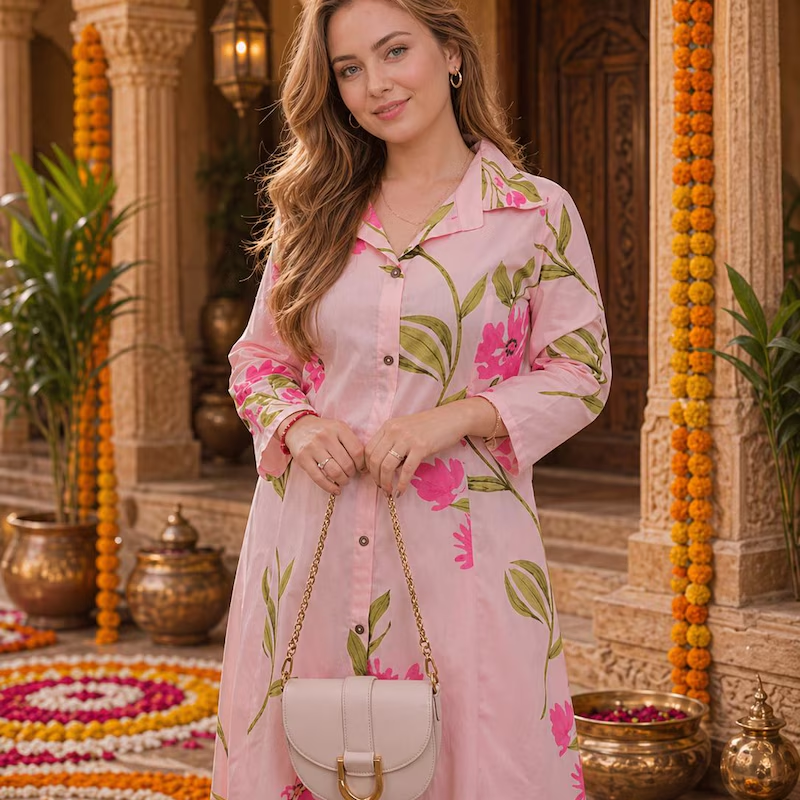
A printed top from a set can replace the usual blouse when jeans feel too plain. Try a patterned wrap top with straight-leg denim and low heels for dinner in Nashville. The outfit still feels relaxed, but the print adds effort without making you look overdressed.
Statement prints work especially well when paired with wardrobe basics that have clean lines. Black trousers, cream denim, dark-wash jeans, and simple slip skirts can all support a printed top without dulling it. The print becomes the point, while the rest of the outfit does its job quietly.
This is also where outfit coordination becomes more personal. You are no longer wearing a set because it matches. You are using one piece to create a fresh outfit from things you already own.
Make the Bottom Half the Anchor
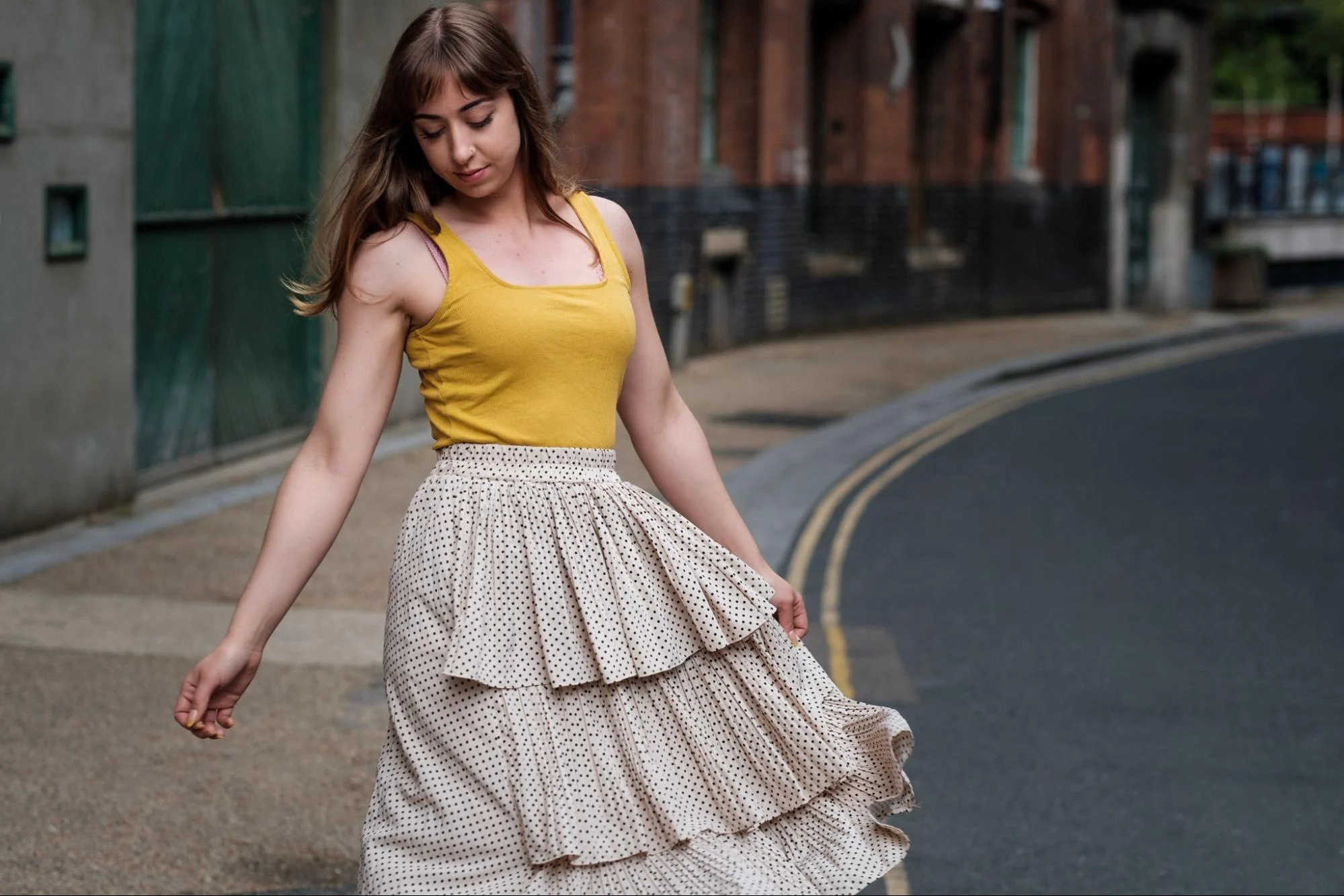
Printed pants, skirts, or shorts often look harder to style than printed tops, but they can be more useful. A printed midi skirt with a fitted white tee can look easy for a coffee run. Swap the tee for a black knit tank and a cropped jacket, and it becomes dinner-ready.
The secret is choosing tops that connect to one color inside the print. If the pants have navy, rust, and ivory, pull one of those tones into a plain top. The result feels intentional without looking overly matched.
Many people get this wrong by adding a top that is too decorative. A printed bottom already carries movement. Give it a steady partner, and the outfit will look calmer, cleaner, and more wearable.
How to Dress Printed Sets Up or Down
The same printed set can shift from casual to polished through shoes, layers, and proportion. That flexibility is why these pieces keep showing up in American summer closets, vacation wardrobes, and creative office outfits. One set can become several moods if you control the supporting details.
Shoes Decide the First Impression
Shoes often tell people where the outfit is going before the print does. Sneakers make a printed set feel casual, even if the fabric has shine. Flat sandals push it toward vacation. A pointed mule or strappy heel turns the same look toward dinner.
Statement prints can handle simple shoes better than loud ones. If the set has bold color, a neutral shoe keeps the eye moving upward. If the print is soft, a stronger shoe can add edge without taking over.
This is useful for real life. You can wear a printed short set with white sneakers for daytime errands in Phoenix, then change into block heels and add a cuff bracelet for evening plans. No full outfit change required.
Layers Add Shape and Control
A layer can make a printed outfit feel less exposed and more structured. A denim jacket softens a bright set. A linen blazer makes it sharper. A cropped cardigan can turn a sleeveless top and skirt into something easier for an air-conditioned restaurant.
Matching separates also benefit from contrast in texture. Cotton print with leather sandals feels grounded. Satin print with a ribbed tank feels less precious. Linen print with a smooth blazer gets a city edge.
Layering is not only about warmth or coverage. It gives the outfit a frame. Without that frame, some prints can float around the body and feel unfinished.
Choosing Prints That Fit Real American Wardrobes
A set may look great online and still fail in your closet. The real test is whether the print works with your shoes, jackets, bags, and daily plans. A beautiful set that only works on vacation is not useless, but it should not pretend to be an everyday staple.
Color Should Connect to What You Already Wear
The easiest print to wear is one that includes colors already sitting in your closet. If you own lots of denim, white, camel, black, or olive, choose prints that speak to those shades. That way, both pieces can break apart without looking random.
Patterned outfits become more wearable when they have one familiar color. A set with cream in the print works with white sneakers. A set with black works with a leather bag. A set with brown works with tan sandals or a suede jacket.
A print does not need to be quiet to be practical. It needs a bridge. That bridge is usually color.
Fit Matters More Than the Match
A matching set can distract you from fit problems because the print pulls attention first. Do not fall for that. If the waistband digs, the top pulls, or the pants puddle badly, the outfit will never feel as good as it looks in a product photo.
Fit should support movement. You should be able to sit, walk, reach, and eat without adjusting the outfit every few minutes. That matters whether you are wearing it to a Brooklyn brunch, a Dallas shopping day, or a weekend resort in Palm Springs.
The unexpected truth is that a less exciting print with a better fit will usually beat a stunning print with awkward proportions. Comfort shows. So does discomfort.
Conclusion
Style gets more interesting when matching stops being the whole point. A printed set can still give you that quick, pulled-together feeling, but it should also open doors across your closet. Wear the pieces together when the mood calls for impact. Break them apart when you want more range. Add quiet shoes, sharp layers, familiar colors, and one strong accessory instead of piling on decoration.
Printed Co Ord Sets are worth owning when they help you dress with less stress and more taste. The best ones do not lock you into one look. They give you options, and options are what make a wardrobe feel alive. Before buying your next set, ask one question: can each piece carry its own outfit? If the answer is yes, you are not buying a match. You are buying momentum.
Frequently Asked Questions
How do you style printed matching sets without looking too coordinated?
Break up the polished effect with one relaxed detail. Try flat sandals, a denim jacket, simple jewelry, or a plain tote. The goal is to keep the set intentional while removing the overly perfect feeling that can make matching outfits look stiff.
What shoes look best with patterned outfits for daytime wear?
White sneakers, leather slides, flat sandals, and low-profile loafers work well for daytime. They keep the outfit grounded and let the print stay in focus. Avoid shoes with heavy decoration unless the print is small and calm.
Can matching separates be worn to casual office settings?
They can work in casual or creative offices when the print is balanced with structure. Add a blazer, closed-toe shoes, and simple jewelry. Softer prints, darker backgrounds, and tailored cuts usually feel more work-friendly than bright vacation-style patterns.
How can I wear a printed top from a set with jeans?
Pair the printed top with straight-leg or wide-leg jeans and keep the rest simple. Choose shoes and a bag that match one color from the print. This makes the outfit feel connected without looking like you tried too hard.
Are printed pants harder to style than printed tops?
Printed pants need a calmer top, but they are not harder once you know the rule. Use a plain tee, fitted tank, button-down, or sweater in a color pulled from the print. Let the pants carry the visual weight.
What accessories work best with statement prints?
Clean accessories usually work best. Choose one focal piece, such as bold earrings, a structured bag, or a slim belt. Too many accessories can make the outfit feel crowded, especially when the print already has color and movement.
How do I choose a print that works for everyday outfits?
Pick a print with at least one color you already wear often. Neutrals, denim-friendly shades, and softer patterns are easier to restyle. The more the set connects to your existing closet, the more often you will wear it.
Can printed sets be flattering on different body types?
Yes, when the fit and print scale support your shape. Smaller prints can feel softer, while larger prints create stronger focus. Look for comfortable waistbands, balanced proportions, and cuts that let you move without constant adjusting.